2026 Iran war: How the US-Israel Coalition Reshaped the Middle East
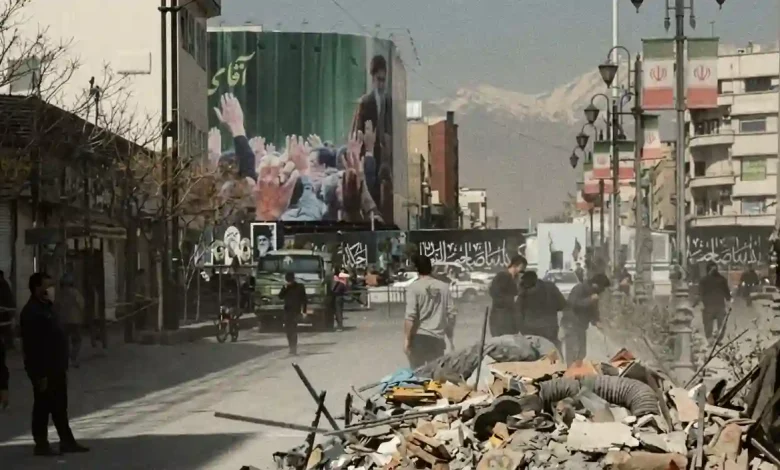
Table of Contents
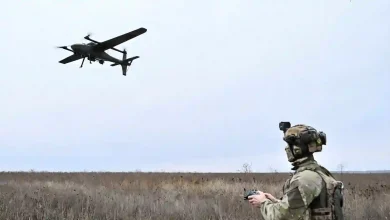
2026 Iran war commenced with unprecedented force on February 28, 2026, when a coordinated military operation by the United States and Israel targeted and eliminated Iran’s Supreme Leader, Ayatollah Ali Khamenei. This opening blow decapitated the leadership of the Islamic Republic, throwing the regime into immediate disarray while igniting a catastrophic chain reaction across the entire Middle East. In the hours that followed, Tehran launched a fierce retaliation, firing hundreds of ballistic missiles and deploying thousands of suicide drones against coalition assets, military installations, and regional adversaries. What began as a surgical strike quickly morphed into a multi-theater conflagration that devastated civilian infrastructure, shifted sovereign alliances, and pushed the global economy to the precipice of a full-scale energy collapse.
The sudden and extreme escalation redefined the geopolitical boundaries of conflict in the 21st century. Never before had a direct offensive targeted the supreme religious and political authority of Iran, and the ensuing response tested the limits of regional missile defense systems. As the physical destruction accumulated, global diplomatic channels fractured, leaving nations across Europe, Asia, and North America struggling to contain a war that threatened to engulf the world’s most critical trading routes.
- 2026 Iran War: An Overview of the Geopolitical Shockwave
- The Spark: The February 28 Strike and the Death of Ali Khamenei
- The Regional Conflagration: Resumption of the Israel-Hezbollah War
- The Maritime Front: The Strait of Hormuz Crisis
- Timeline of Key Escalations and Conflict Milestones
- The Five-Week Crucible: Military Dynamics and Air Operations
- Naval Brinkmanship and Post-Ceasefire Strait Restrictions
- The Path to Diplomacy: The June Memorandum of Understanding
- Geopolitical Realignments and Long-Term Consequences
2026 Iran War: An Overview of the Geopolitical Shockwave
The intensity of the hostilities shocked even the most seasoned security analysts. For decades, the shadow war between Iran, Israel, and the United States was played out through proxy networks, cyber warfare, and targeted assassinations of scientists or military commanders. However, the direct execution of Ali Khamenei broke all established red lines, plunging the region into an open, high-intensity conflict. The immediate fallout was felt not just in terms of military casualties, but through the displacement of millions of civilians who found themselves caught in the crossfire of automated drone swarms and high-altitude interceptors.
As the violence escalated, it became clear that no nation in the region could remain neutral. The initial retaliatory strikes by Iran targeted major logistical hubs, leading to a situation where the truce collapses as Trump warns of devastating retaliatory campaigns if Western assets continue to face direct threats. The rapid mobilization of military forces across the Persian Gulf transformed the entire region into an active war zone within a matter of days, completely upending prior strategic assumptions.
The Spark: The February 28 Strike and the Death of Ali Khamenei
On the morning of February 28, 2026, a series of low-observable stealth aircraft and high-precision hypersonic munitions penetrated Tehran’s air defense umbrella. The strike, which intelligence sources later confirmed was a joint U.S.-Israeli operation, directly hit the highly secured leadership compound in Tehran. The confirmation of Supreme Leader Ali Khamenei’s death sent shockwaves through the country and prompted the immediate activation of Iran’s deep-state contingency plans, led by the Islamic Revolutionary Guard Corps (IRGC).
Iran’s strategic response was instantaneous and massive. Utilizing deeply buried subterranean missile silos, the IRGC unleashed its primary arsenal. Wave after wave of precision-guided missiles and cheap, highly maneuverable loitering munitions were launched toward Israel and key American installations across the Gulf. This overwhelming barrage overwhelmed regional air defenses, causing significant structural damage and marking the official beginning of a devastating five-week active military campaign that reshaped global dynamics.
The Regional Conflagration: Resumption of the Israel-Hezbollah War
The shockwaves of the war immediately spread to Lebanon, where Hezbollah activated its entire rocket arsenal to relieve pressure on its patron in Tehran. This action prompted an overwhelming ground and air campaign by Israeli defense forces, effectively restarting the Israel-Hezbollah war with unprecedented ferocity. The sheer volume of Israeli bombardment and subsequent ground operations turned southern Lebanon and parts of Beirut into active combat zones.
The humanitarian toll of this theater was staggering. Within weeks, more than one-sixth of the entire population of Lebanon was displaced from their homes, fleeing north toward overcrowded and under-resourced safe zones. While dozens of casualties were reported within Israel due to heavy rocket barrages, the death toll in Lebanon and Iran quickly climbed into the thousands. The destruction of medical facilities, power grids, and water infrastructure created a compounding health crisis that regional humanitarian organizations struggled to address amid the ongoing violence.
The Maritime Front: The Strait of Hormuz Crisis
As the ground and air campaigns raged, the naval theater quickly emerged as the most economically sensitive arena of the war. Recognizing its asymmetric leverage, Iran took steps to disrupt maritime traffic through the Strait of Hormuz, the world’s most critical oil chokepoint. Iran’s naval forces deployed advanced anti-ship missiles, fast attack craft, and smart naval mines, making commercial shipping through the narrow waterway virtually impossible without heavy naval escorts.
The impact on global energy markets was immediate. Crude oil prices spiked to historic highs, and major shipping conglomerates suspended all transits through the Persian Gulf. This blockade led to acute fuel shortages in several industrialized Asian nations, which rely heavily on Middle Eastern crude imports. In response, a multinational naval coalition was deployed, leading to a situation where the U.S. military strikes Iran Strait of Hormuz crisis points to secure vital trade channels. This naval engagement resulted in the destruction of several Iranian patrol vessels but failed to fully restore international shipping confidence, as the U.S. blockade on Iran strikes escalate in the Gulf and maritime shipping rates surged to levels never seen before.
Timeline of Key Escalations and Conflict Milestone
The rapid progression of the conflict can be understood through a sequence of defining military and diplomatic moments that reshaped the Middle East over a four-month period.
| Date / Period | Major Event / Military Action | Impact & Consequences |
|---|---|---|
| February 28, 2026 | Initial US-Israel joint strikes targeting Supreme Leader Ali Khamenei | Death of Khamenei; triggers massive drone and missile retaliations. |
| Early March 2026 | Resumption of the Israel-Hezbollah War | Massive displacement of over one-sixth of Lebanon’s population; thousands dead. |
| Mid-March 2026 | Severe disruption in the Strait of Hormuz; maritime skirmishes | Energy prices skyrocket; acute fuel shortages across key Asian markets. |
| April 7–8, 2026 | Comprehensive ceasefire negotiated and implemented | Five weeks of intense fighting paused; transition to intense brinkmanship. |
| June 14, 2026 | Announcement of Memorandum of Understanding (MoU) | Outlines path to formal conflict resolution within 60 days. |
| June 17, 2026 | Official signing of the MoU by US and Iranian presidents | Establishes framework for lasting regional security. |
The Five-Week Crucible: Military Dynamics and Air Operations
During the first five weeks of intense kinetic warfare, air superiority was the primary objective of both sides. Coalition forces conducted thousands of sorties targeting Iran’s underground missile storage complexes, drone manufacturing facilities, and command centers. The intense bombardment of Iranian military assets was characterized by consecutive nights of heavy operations, including the widely reported sixth night of U.S. strikes which targeted military bunkers in western Iran. These actions aimed to systematically strip Iran of its offensive capability before a broader ground campaign could be initiated.
Despite the severity of the air campaign, Iran’s decentralized command structure and mobile launcher platforms allowed it to sustain a continuous output of drone and missile strikes. The continuous airstrikes against Iran forced Tehran to increasingly rely on asymmetric capabilities, including cyberattacks against Western infrastructure and coordinated strikes by proxy networks in Yemen and Iraq. This resilient posture kept coalition forces on high alert, as military bases throughout the region remained vulnerable to unexpected drone swarms.
Naval Brinkmanship and Post-Ceasefire Strait Restrictions
Following the hard-fought ceasefire on April 7–8, the focus of the conflict shifted from open kinetic warfare to a high-stakes game of maritime brinkmanship. Despite the cessation of active air strikes, the question of maritime access through the Strait of Hormuz remained unresolved. The United States and its partners demanded the immediate, unrestricted reopening of the waterway, while Tehran insisted on maintaining security zones to prevent Western intelligence gathering. This dispute quickly escalated into another round of naval posturing as the Strait of Hormuz conflict Trump reinstates aggressive patrol protocols to assert freedom of navigation.
Tehran responded by establishing a partial naval embargo, attempting to inspect vessels originating from nations that had supported the initial US-Israeli strikes. The resulting Iran naval blockade U.S. reimposes port bans and counter-embargoes threatened to choke off what little economic activity remained in the Persian Gulf. Tension peaked in late May when naval skirmishes near major Iranian harbors prompted a swift response from Washington, during which coordinated U.S. strikes target key ports along the coast to disable Iranian fast-attack fleet harbors and restore commercial passage corridors.
The Path to Diplomacy: The June Memorandum of Understanding
With both economies suffering severe strain and global energy markets in a prolonged state of volatility, regional mediators—including Oman, Qatar, and Switzerland—stepped in to facilitate indirect negotiations. These talks, held in neutral European cities, sought to establish a comprehensive framework that would address the underlying drivers of the conflict, according to comprehensive strategic analysis by the Council on Foreign Relations. The primary challenge was balancing Washington’s demands for the complete dismantlement of Iran’s advanced drone program with Tehran’s demand for security guarantees and the lifting of economic sanctions.
On June 14, 2026, mediators made the historic announcement that a comprehensive Memorandum of Understanding (MoU) had been reached. The agreement outlined a 60-day roadmap toward a formal and permanent end to the conflict. Just three days later, on June 17, the presidents of the United States and Iran officially signed the document. This historic signing marked a critical turning point, bringing a fragile peace to a region that had spent the preceding months on the brink of total destruction.
Geopolitical Realignments and Long-Term Consequences
The geopolitical landscape of the Middle East in the post-war era looks radically different than it did at the beginning of 2026. The death of Supreme Leader Ali Khamenei has triggered a quiet but intense domestic struggle within Iran over the future direction of the Islamic Republic, balancing the demands of conservative military hardliners against a population weary of economic isolation and destructive wars. Meanwhile, the resumption of the Israel-Hezbollah war has left Lebanon facing an unprecedented humanitarian and political crisis, with its central government weakened and international donors struggling to fund reconstruction efforts.
Furthermore, Gulf Arab states, which suffered dozens of casualties during the initial Iranian retaliatory missile strikes, have begun to recalibrate their security architectures. Many are pursuing a policy of strategic hedging, maintaining their defense ties with the West while simultaneously expanding diplomatic engagement with China and India, both of whom played active roles behind the scenes to secure the Strait of Hormuz. As the 60-day implementation window of the June MoU progresses, the international community remains cautiously optimistic that this fragile diplomatic framework will prevent the region from sliding back into open warfare.