Russia’s Drone Attacks: Romania Hit, NATO Condemns Escalation
Introduction
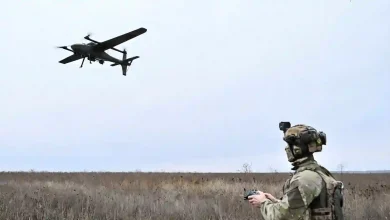
Russia’s ongoing military actions in Ukraine have taken a concerning turn as drone and missile strikes increasingly encroach upon neighboring countries. On a recent night, a barrage of 232 drones and one ballistic missile was launched by Russia against Ukraine, targeting critical infrastructure, particularly the power grid. Amid this assault, an alarming incident occurred: an unknown number of these drones crossed into Romanian airspace, with one reportedly striking an apartment block in the border town of Galați. This incursion into the territory of a NATO member state has triggered widespread condemnation and amplified fears of escalating regional conflict. NATO Secretary-General Mark Rutte issued a strong statement, asserting that Russia’s behavior poses a danger to all and underscores that the repercussions of its war extend beyond Ukraine’s borders. The incident has elevated concerns about the potential for miscalculation and the need for heightened vigilance among NATO allies. The situation demands careful analysis to understand the implications for regional stability and the broader European security landscape.
The Drone Attack on Galați
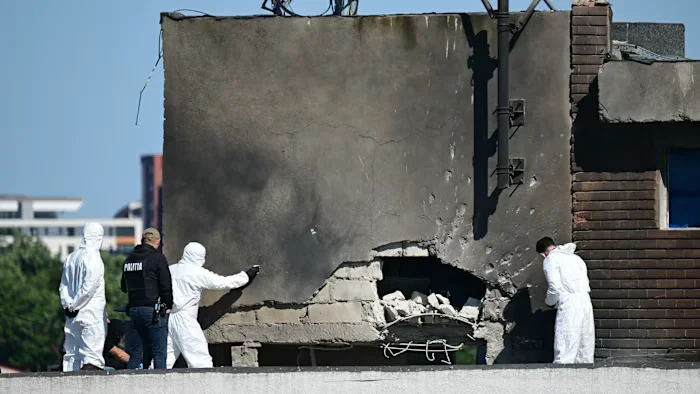
The town of Galați, located on the Romanian side of the border with Ukraine, found itself directly impacted by the spillover of Russia’s military operations. According to the Romanian government, at least one drone struck an apartment building in the town, causing damage and raising serious questions about the accuracy and control of the weapons being deployed. While the full extent of the damage and any potential casualties are still being assessed, the incident has understandably sparked outrage and anxiety among the local population. This event marks a significant escalation, as it represents a direct physical impact on a NATO member state, triggering considerations of Article 5 of the NATO treaty, which addresses collective defense. The nature of the drone used, its trajectory, and potential countermeasures are now subjects of intense scrutiny by military and intelligence experts. The incident also highlights the vulnerability of border regions to the unintended consequences of modern warfare, particularly when drones and missiles are involved. Further investigation is crucial to determine the precise circumstances of the attack and to implement measures to prevent similar occurrences in the future. The security investigation by British police at the Israeli embassy after a suspicious object discovery reflects heightened vigilance in allied nations.
Ukraine’s Struggle with Russian Airstrikes
For months, Ukraine has been grappling with relentless aerial attacks from Russia, with drones and missiles targeting critical infrastructure, residential areas, and military installations. The recent barrage involving 232 drones and a ballistic missile is just the latest in a series of near-nightly assaults aimed at crippling Ukraine’s power grid and undermining its overall stability. The Ukrainian military has been working tirelessly to intercept these attacks, but the sheer volume and frequency of the strikes pose a significant challenge. The impact on Ukraine’s civilian population has been devastating, with widespread power outages, disruptions to essential services, and a growing humanitarian crisis. The attacks also have a strategic dimension, as Russia seeks to degrade Ukraine’s ability to sustain its defense efforts and exert pressure on the government. The international community has condemned these attacks as violations of international law and has called for Russia to cease its aggression. However, the airstrikes continue, underscoring the urgent need for increased defensive capabilities and humanitarian assistance for Ukraine. The ongoing conflict mirrors the situation in the Middle East, where an Iranian arms broker was recently apprehended in Los Angeles, exposing ties to Soleimani.
NATO Response and Regional Security
The incursion of Russian drones into Romanian airspace has triggered a swift and coordinated response from NATO. Secretary-General Mark Rutte’s strong condemnation of Russia’s actions reflects the alliance’s deep concern over the escalating situation. NATO is now closely monitoring the situation and assessing the implications for regional security. Article 4 of the NATO treaty, which allows any member to request consultations if they feel their territorial integrity, political independence, or security is threatened, is likely being invoked. The alliance is also reviewing its defense posture in the region, potentially involving the deployment of additional air defense systems and enhanced surveillance capabilities. The incident serves as a stark reminder of the challenges NATO faces in deterring Russian aggression and protecting its member states. The need for unity and resolve within the alliance is paramount, as any perceived weakness could embolden Russia to further escalate its actions. The Space Force’s Operation Epic Fury validates combat readiness, underscoring NATO’s commitment to defense. The situation also underscores the importance of maintaining open channels of communication with Russia to prevent miscalculation and avoid unintended escalation.
Romania’s Perspective and NATO Obligations
As a frontline state bordering Ukraine, Romania finds itself in a precarious position. The drone strike on Galați has heightened concerns within the Romanian government and population about the potential for further incursions and the vulnerability of the country to the spillover effects of the conflict. Romania is now relying on the collective defense mechanisms of NATO to ensure its security and deter any further Russian aggression. The country is likely to be advocating for increased NATO presence in the region, including the deployment of additional troops, air defense systems, and surveillance assets. Romania also has a vested interest in supporting Ukraine’s efforts to defend itself against Russian aggression, as a stable and secure Ukraine is vital for Romania’s own security. However, Romania must also carefully manage its response to avoid escalating tensions with Russia and provoking a wider conflict. Striking a balance between protecting its national interests and upholding its NATO obligations is a complex and delicate task. Romania’s stance mirrors the UAE’s dollar lifeline, where the Gulf state pressures Washington amidst the Iran crisis, reflecting a delicate balancing act.
International Condemnation and Diplomatic Efforts
The drone strike on Romanian territory has been met with widespread condemnation from the international community. Governments and organizations around the world have denounced Russia’s actions as a violation of international law and a threat to regional security. The United Nations Security Council is likely to convene to discuss the situation, although any meaningful action is likely to be blocked by Russia’s veto power. Diplomatic efforts are underway to de-escalate the situation and find a peaceful resolution to the conflict in Ukraine. However, the prospects for a breakthrough remain uncertain, as Russia has shown little willingness to compromise. The international community must continue to exert pressure on Russia to cease its aggression and respect the sovereignty and territorial integrity of Ukraine. The focus remains on leveraging all available diplomatic tools, including sanctions, negotiations, and mediation, to achieve a lasting peace. The recent ceasefire talks where Asim Munir met Ghalibaf in Tehran highlight ongoing diplomatic efforts in the region.
Military Analysis of the Drone Threat
The use of drones in the conflict between Russia and Ukraine has introduced a new dimension to modern warfare. Drones offer several advantages, including their relatively low cost, their ability to operate in hazardous environments, and their potential to deliver precision strikes. However, they also pose significant challenges for air defense systems, particularly when deployed in large numbers. The drone strike on Galați highlights the difficulty of tracking and intercepting these unmanned aerial vehicles, especially when they are operating near borders. Military analysts are now studying the tactics, techniques, and procedures used by both sides in the conflict to better understand the capabilities and limitations of drones. They are also examining the effectiveness of various countermeasures, including electronic warfare, anti-drone guns, and advanced radar systems. The proliferation of drones raises concerns about their potential use by non-state actors and the need for international regulations to govern their development and deployment. The deployment of the Dark Eagle hypersonic missile to the Middle East by CENTCOM underscores the escalating technological arms race.
The Broader Implications for European Security
The escalating conflict in Ukraine and the spillover effects into neighboring countries have profound implications for European security. The crisis has exposed vulnerabilities in the continent’s defense architecture and has underscored the need for increased military spending and enhanced cooperation among allies. The rise of hybrid warfare tactics, including disinformation campaigns, cyberattacks, and economic coercion, poses a significant challenge to European stability. The incident in Galați highlights the potential for miscalculation and unintended escalation, which could lead to a wider conflict. European leaders are now grappling with the difficult task of deterring Russian aggression while avoiding a direct confrontation. The crisis has also prompted a reassessment of Europe’s energy security, as the continent seeks to reduce its reliance on Russian gas and oil. The surge in oil prices in the Hormuz Strait underscores the fragility of global energy supplies and the potential for disruptions caused by geopolitical instability.
Potential Scenarios and Future Outlook
The future trajectory of the conflict in Ukraine remains uncertain, with several potential scenarios unfolding. One possibility is a protracted stalemate, with neither side able to achieve a decisive victory. This could lead to a frozen conflict, with continued low-level violence and instability. Another scenario is a further escalation of the conflict, potentially involving the use of more advanced weapons or the direct involvement of other countries. This could lead to a wider regional war with devastating consequences. A third scenario is a negotiated settlement, which would require both sides to make significant compromises. However, the prospects for a lasting peace remain slim, given the deep divisions and mistrust between Russia and Ukraine. Regardless of how the conflict evolves, it is clear that the security landscape in Europe has been fundamentally altered. The need for vigilance, deterrence, and diplomacy will remain paramount in the years to come. Harris’s 2028 ambitions stir debate over the 2024 election postmortem, reflecting the ongoing political shifts in response to global events.
Economic Impact on Ukraine and the Region
The ongoing conflict has had a devastating impact on the Ukrainian economy, with widespread destruction of infrastructure, displacement of populations, and disruption of trade. The country is facing a severe economic crisis, with high inflation, unemployment, and a sharp decline in GDP. The conflict has also had a significant impact on the regional economy, with disruptions to supply chains, increased energy prices, and a decline in investor confidence. Neighboring countries, such as Romania, are also feeling the economic effects of the conflict, as they cope with increased refugee flows and disruptions to trade. The international community has provided financial assistance to Ukraine, but much more is needed to help the country rebuild its economy and recover from the war. The conflict also underscores the importance of diversifying energy sources and reducing reliance on Russian gas and oil. The potential trillion-dollar cost of an Iran war highlights the massive economic implications of geopolitical conflict.
Historical Context of Russian-Ukrainian Relations
To fully understand the current conflict between Russia and Ukraine, it is essential to consider the historical context of their relationship. Ukraine and Russia share deep historical and cultural ties, but they have also experienced periods of conflict and tension. Ukraine was part of the Russian Empire for centuries, and later became a republic within the Soviet Union. After the collapse of the Soviet Union in 1991, Ukraine declared its independence, but Russia has continued to exert influence over its neighbor. Russia’s annexation of Crimea in 2014 and its support for separatists in eastern Ukraine marked a significant escalation in tensions. The current conflict is rooted in a complex mix of historical grievances, geopolitical ambitions, and cultural differences. Understanding this historical context is crucial for finding a lasting solution to the crisis. The antisemitism royal commission probes hostility in Australia, highlighting the importance of understanding historical context in addressing contemporary issues.
| Aspect | Ukraine | Romania | NATO |
|---|---|---|---|
| Current Status | Under attack by Russia, facing significant infrastructure damage and humanitarian crisis. | Bordering Ukraine, experiencing spillover effects like drone strikes, heightened security concerns. | Monitoring situation, reinforcing defense posture, and coordinating response to Russian aggression. |
| Key Challenges | Defending against ongoing attacks, maintaining critical infrastructure, and addressing humanitarian needs. | Protecting its borders, managing potential escalation, and ensuring the safety of its population. | Deterring further Russian aggression, maintaining alliance unity, and preventing wider conflict. |
| Response | Military defense, seeking international assistance, and working to maintain essential services. | Relying on NATO’s collective defense mechanisms, enhancing border security, and advocating for increased NATO presence. | Condemning Russia’s actions, reviewing defense posture, and engaging in diplomatic efforts. |
Conclusion
Russia’s drone and missile strikes on Ukraine, culminating in the incursion into Romanian airspace, represent a dangerous escalation of the ongoing conflict. The incident underscores the urgent need for a coordinated international response to deter further Russian aggression and protect the security of NATO member states. The situation demands a multi-faceted approach, encompassing diplomatic efforts, enhanced military preparedness, and unwavering support for Ukraine’s defense. The implications of this crisis extend far beyond the immediate region, posing a significant challenge to European security and the international rules-based order. The international community must remain vigilant and united in its efforts to promote a peaceful resolution to the conflict and prevent a wider war. The Hamas scandal, where fighters allegedly traded aid for sex with war widows, highlights the complexities and potential for exploitation in conflict zones. The situation in Ukraine requires careful attention and a commitment to upholding international law and promoting stability in the region. It’s crucial to monitor events closely and be prepared to adapt strategies as the situation evolves. To grasp the intricacies of modern conflicts, understanding the nuances of events like the Shaknovsky manslaughter trial, where doctors accounted for a patient’s death, is essential. Finally, the SpaceX Falcon Heavy deployment showcases the vital role of technology in global events, highlighting its impact on international relations and security.