Agreement Reached? Trump Claims Progress in US-Iran Talks
Introduction
In a surprising turn of events, former U.S. President Donald Trump has announced significant progress in negotiations between the United States and Iran, signaling a potential agreement after weeks of talks and a fragile ceasefire. This announcement has stirred considerable interest and speculation in international diplomatic circles, particularly given the complex and often strained relationship between the two nations. The potential agreement, which Trump claims has been largely negotiated, involves several other countries and aims to address critical issues that have long divided the U.S. and Iran.
Trump’s Announcement on Social Media
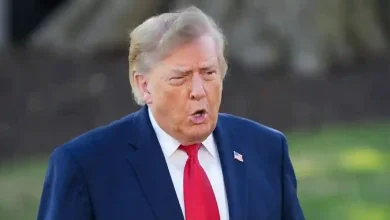
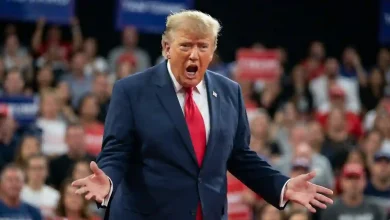
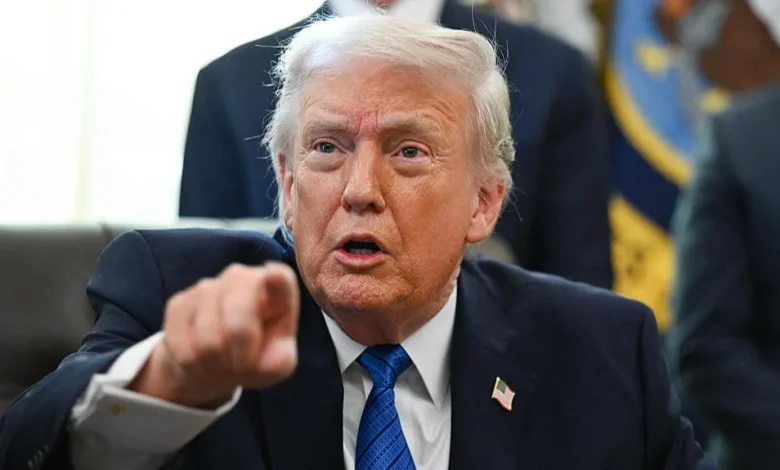
Donald Trump took to his Truth Social platform to share the news, stating that an “Agreement has been largely negotiated, subject to finalization between the United States of America, the Islamic Republic of Iran, and the various other Countries, as listed”. He also mentioned having a “very good call” with leaders from Qatar, Saudi Arabia, Turkey, Pakistan, Jordan, Egypt, and the United Arab Emirates to discuss the agreement. This direct communication with regional leaders underscores the importance of their involvement and support in the successful implementation of any potential deal. Trump’s approach, characterized by direct engagement and leveraging personal relationships, mirrors his previous diplomatic strategies, aiming for a swift resolution and a publicly acknowledged success.
Confirmation from Regional Diplomats
Adding credibility to Trump’s claims, two regional diplomats with knowledge of the talks confirmed to NBC News that Vice President JD Vance and Steve Witkoff were also on the call, further emphasizing the bipartisan and multi-faceted nature of the discussions. These diplomats described the call as positive, noting that significant progress had been made. The involvement of figures like JD Vance, who brings a contemporary political perspective, and Steve Witkoff, known for his business acumen, suggests a comprehensive approach that considers both political and economic dimensions of the agreement. The positive tone reported by these diplomats hints at a shared commitment to finding common ground and resolving long-standing disputes.
Support from Pakistan and Turkey
Following the call, Pakistan’s Foreign Minister, Ishaq Dar, publicly commended “President Trump’s leadership and commitment to dialogue and diplomacy,” highlighting the positive reception of Trump’s efforts within the Pakistani government. Similarly, Turkish President Recep Tayyip Erdoğan expressed his country’s readiness to provide “every kind of support during the implementation phase of a potential agreement with Iran”. This support from key regional players like Pakistan and Turkey is crucial, as their cooperation can significantly influence the agreement’s success and the broader stability of the region. Turkey’s offer to assist in the implementation phase is particularly noteworthy, given their historical and economic ties with both the U.S. and Iran.
Details of the Negotiated Agreement
While the specifics of the agreement remain undisclosed, it is expected to address several critical areas of concern. These likely include Iran’s nuclear program, regional security issues, and economic sanctions imposed by the U.S.. A key aspect of the negotiations is likely to be the establishment of verifiable mechanisms to ensure Iran’s compliance with the terms of the agreement, particularly regarding its nuclear activities. The agreement may also involve a gradual easing of economic sanctions in exchange for Iran’s commitment to regional de-escalation and non-interference in the affairs of neighboring countries. Additionally, the deal could incorporate provisions for the release of detained U.S. citizens in Iran and the resolution of outstanding legal disputes.
Key Players Involved in the Negotiations
The successful negotiation of this potential agreement hinges on the collaborative efforts of several key players. Besides the United States and Iran, countries such as Qatar, Saudi Arabia, Turkey, Pakistan, Jordan, Egypt, and the United Arab Emirates have played significant roles in facilitating dialogue and mediating between the two main parties. Qatar, with its history of diplomatic engagement in the region, has likely served as a crucial intermediary, leveraging its relationships with both the U.S. and Iran to bridge divides. Saudi Arabia and the UAE, while historically wary of Iran’s regional ambitions, have also participated in the talks, reflecting a shared interest in de-escalating tensions and promoting stability. The involvement of Pakistan and Jordan underscores the broader regional support for a peaceful resolution.
Potential Benefits of the Agreement
The successful implementation of an agreement between the U.S. and Iran could yield numerous benefits, both regionally and globally. Reduced tensions in the Middle East, decreased risk of military conflict, and enhanced stability in the energy markets are among the potential positive outcomes. Furthermore, the agreement could pave the way for increased trade and investment opportunities, benefiting both the U.S. and Iran. For the U.S., a successful deal would demonstrate its commitment to diplomatic solutions and strengthen its credibility as a mediator in international disputes. For Iran, the easing of economic sanctions could provide a much-needed boost to its economy and improve the living standards of its citizens. Regionally, the agreement could foster greater cooperation on issues such as counter-terrorism, refugee management, and environmental protection.
Challenges and Potential Obstacles
Despite the reported progress, significant challenges and potential obstacles remain. Skepticism within both the U.S. and Iran regarding the other party’s intentions, hardline factions opposed to compromise, and external actors seeking to undermine the agreement could all pose serious threats. In the U.S., critics may argue that the agreement does not go far enough in addressing Iran’s nuclear ambitions or its support for regional proxies. In Iran, hardliners may view the agreement as a sellout of the country’s revolutionary principles. Additionally, countries like Israel, which view Iran as an existential threat, could actively work to sabotage the deal. Overcoming these challenges will require strong political will, sustained diplomatic efforts, and a willingness to address legitimate concerns from all sides.
Impact on Regional Stability
The potential agreement’s impact on regional stability cannot be overstated. A reduction in tensions between the U.S. and Iran could de-escalate conflicts in countries like Yemen, Syria, and Lebanon, where both nations have been involved in proxy wars. It could also create opportunities for greater cooperation in addressing common threats such as ISIS and other extremist groups. However, the agreement could also lead to a realignment of regional alliances, with some countries potentially feeling threatened by the rapprochement between the U.S. and Iran. Careful management of these dynamics will be essential to ensure that the agreement contributes to long-term stability and does not inadvertently create new sources of conflict. The situation in the Hormuz Strait, a critical waterway for global oil supplies, could also see a significant reduction in tensions with a successful agreement.
U.S. Domestic Implications
Domestically, the agreement could have significant political and economic implications for the U.S. A successful deal could boost President Trump’s approval ratings and strengthen his position on the international stage. It could also lead to increased trade and investment opportunities for American companies, particularly in sectors such as energy and technology. However, the agreement is also likely to face strong opposition from some quarters, particularly from Republicans who view it as a betrayal of U.S. interests. The debate over the agreement could further polarize American politics and influence the upcoming elections. The FBI ballot seizure controversy and other domestic issues will likely intertwine with the political ramifications of this international agreement.
Expert Analysis and Commentary
Experts have offered varied perspectives on the potential agreement, reflecting the complexity of the issues involved. Some analysts believe that the agreement represents a significant breakthrough, offering a path towards reduced tensions and greater stability in the Middle East. They argue that it is a pragmatic step that addresses the most pressing concerns while leaving room for further negotiations on other issues. Other experts are more cautious, warning that the agreement may be fragile and could easily unravel if either party fails to uphold its commitments. They emphasize the need for robust verification mechanisms and sustained diplomatic engagement to ensure the agreement’s long-term success. Concerns about WHO data access also highlight the importance of transparency and international cooperation in implementing the agreement.
Future Prospects and Long-Term Outlook
Looking ahead, the future prospects for the agreement depend on several factors, including the political will of the U.S. and Iran, the support of regional and international actors, and the ability to overcome potential obstacles and challenges. If the agreement is successfully implemented and sustained, it could pave the way for a broader normalization of relations between the U.S. and Iran, leading to increased cooperation on issues such as counter-terrorism, climate change, and regional security. However, if the agreement falters or collapses, it could lead to renewed tensions and a heightened risk of military conflict. The long-term outlook remains uncertain, but the potential agreement represents a significant opportunity to break the cycle of mistrust and hostility and build a more peaceful and prosperous future for the region.
Summary of Key Aspects of the Potential US-Iran Agreement:
| Aspect | Details |
|---|---|
| Negotiating Parties | United States, Iran, Qatar, Saudi Arabia, Turkey, Pakistan, Jordan, Egypt, UAE |
| Key Issues | Iran’s nuclear program, regional security, economic sanctions |
| Potential Benefits | Reduced tensions, decreased risk of conflict, enhanced stability in energy markets, increased trade |
| Challenges | Skepticism, hardline factions, external actors, verification mechanisms |
| Regional Impact | De-escalation of conflicts, realignment of alliances, cooperation on common threats |
| U.S. Domestic Impact | Political implications, economic opportunities, potential opposition |
Conclusion
The announcement of a potential agreement between the U.S. and Iran marks a significant moment in international diplomacy. While the details remain to be finalized and numerous challenges lie ahead, the progress reported by former President Trump and confirmed by regional diplomats offers a glimmer of hope for reduced tensions and greater stability in the Middle East. The involvement and support of key regional players such as Pakistan and Turkey underscore the importance of collective efforts in achieving a lasting resolution. As the negotiations move forward, it will be crucial for all parties to remain committed to dialogue, compromise, and a shared vision of a more peaceful and prosperous future. The developments surrounding the potential Iran nuclear talks will continue to be closely monitored by the international community. The success of this agreement could set a precedent for resolving other complex international disputes through diplomacy and cooperation. A resource with additional information can be found here.