Lee Hosts Takaichi: Strengthening South Korea-Japan Ties Through Hometown Diplomacy
Introduction
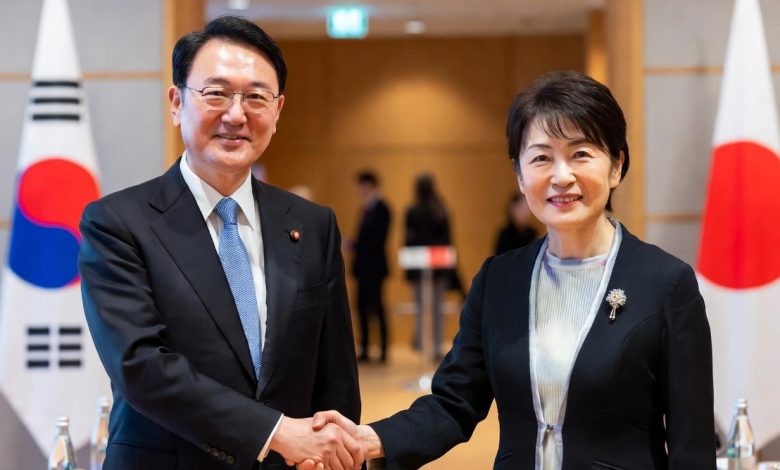
In a move that underscores the deepening relationship between South Korea and Japan, President Lee recently hosted Prime Minister Takaichi in his hometown of Andong, a city in southeastern South Korea renowned for its traditional folk village, a UNESCO World Heritage site. This visit follows a reciprocal meeting in January, where the two leaders met in Takaichi’s hometown of Nara, Japan’s ancient capital. These exchanges mark the first instances of sitting leaders from both nations visiting each other’s hometowns, symbolizing a new era of friendship and cooperation. The implications of this diplomatic initiative extend beyond mere symbolism, signaling a concerted effort to strengthen bilateral ties across various sectors.
A Historic Visit to Andong
Andong, a city steeped in Korean history and tradition, provided a fitting backdrop for this significant meeting. Known for its well-preserved traditional folk village, Hahoe, a UNESCO World Heritage site, Andong showcases the rich cultural heritage of South Korea. The choice of Andong as the venue highlights the importance of cultural understanding and exchange in fostering stronger diplomatic relations. During the visit, Lee and Takaichi explored Andong’s cultural landmarks, engaging in discussions that touched upon shared history and future collaborations. This visit not only celebrated the unique cultural aspects of Andong but also facilitated deeper personal connections between the two leaders, reinforcing their commitment to bilateral cooperation. The historical significance of Andong, combined with its natural beauty, offered a serene yet powerful setting for diplomatic dialogue, setting a positive tone for future engagements.
The Nara Precedent: Setting the Stage
The meeting in Andong was preceded by a similarly significant visit to Nara in January, where Prime Minister Takaichi welcomed President Lee to her hometown. Nara, as Japan’s ancient capital, holds immense historical and cultural value, mirroring Andong’s significance in South Korea. This initial meeting set the stage for the subsequent visit to Andong, establishing a pattern of reciprocal hometown diplomacy. In Nara, the leaders explored ancient temples, discussed historical ties, and laid the groundwork for future collaboration. The Nara meeting was crucial in building trust and rapport between Lee and Takaichi, paving the way for more substantive discussions during the Andong summit. The choice of Nara, with its rich history and serene environment, provided an ideal setting for fostering goodwill and mutual understanding. This reciprocal approach to diplomacy underscores the commitment of both leaders to strengthen bilateral relations through cultural exchange and personal engagement.
Significance of Hometowns in Diplomacy
The strategic decision to hold summits in the leaders’ respective hometowns carries profound symbolic weight. Hometowns often represent the roots, values, and personal histories that shape leaders’ perspectives and decision-making processes. By sharing these personal spaces, Lee and Takaichi aimed to foster a deeper understanding of each other’s backgrounds and motivations. This approach to diplomacy humanizes the leaders and promotes a sense of personal connection that can transcend political differences. Furthermore, showcasing their hometowns allows each leader to highlight the unique cultural and historical aspects of their respective nations, fostering mutual respect and appreciation. This innovative approach to international relations emphasizes the importance of personal relationships in building stronger, more resilient diplomatic ties. By engaging in hometown diplomacy, Lee and Takaichi are setting a new precedent for international relations, one that values cultural exchange, personal connection, and mutual understanding.
Joint News Conference: A United Front
Following the summit in Andong, Lee and Takaichi addressed the media in a joint news conference, where they articulated a shared vision for the future of South Korea-Japan relations. Lee emphasized that the exchanges in Andong and Nara, occurring within just four months, underscored the depth and strength of the friendship and bonds between the two countries. Both leaders reiterated their commitment to strengthening cooperation across various sectors, including trade, security, and cultural exchange. The joint news conference served as a platform to project a united front, signaling to the international community that South Korea and Japan are committed to working together to address common challenges and promote regional stability. The leaders also addressed sensitive historical issues, expressing a willingness to move forward in a spirit of reconciliation and mutual respect. This public display of unity and cooperation reinforces the positive momentum generated by the hometown diplomacy initiative and sets the stage for future collaborations.
Deepening Cultural and Economic Ties
Beyond the symbolic value of the hometown visits, the Lee-Takaichi summits have paved the way for enhanced cultural and economic cooperation between South Korea and Japan. Both leaders recognize the importance of fostering stronger cultural ties to promote mutual understanding and goodwill. Initiatives such as joint cultural festivals, student exchange programs, and collaborative art projects are being explored to facilitate greater people-to-people connections. On the economic front, Lee and Takaichi have committed to deepening trade relations and promoting investment opportunities in both countries. Discussions have focused on reducing trade barriers, streamlining customs procedures, and fostering innovation in key sectors such as technology, renewable energy, and healthcare. Furthermore, both nations are exploring opportunities to collaborate on regional infrastructure projects and promote sustainable development. These efforts to deepen cultural and economic ties reflect a strategic vision to create a more integrated and prosperous East Asian region. The commitment to fostering stronger ties is evident in the recent statement by President Lee regarding cooperation with other countries in the region.
Navigating Challenges and Seizing Opportunities
Despite the positive momentum generated by the Lee-Takaichi diplomacy, challenges remain in the relationship between South Korea and Japan. Historical grievances, territorial disputes, and differing perspectives on regional security issues continue to pose obstacles to closer cooperation. However, both leaders have demonstrated a willingness to address these challenges constructively and seek mutually acceptable solutions. The key lies in maintaining open lines of communication, fostering transparency, and promoting a spirit of compromise. At the same time, the evolving geopolitical landscape presents new opportunities for South Korea and Japan to work together on shared interests. Issues such as North Korea’s nuclear ambitions, regional security threats, and global economic instability require close coordination and collaboration. By leveraging their respective strengths and resources, South Korea and Japan can play a pivotal role in promoting peace, stability, and prosperity in the region. The recent deployment of advanced military technology in the Middle East highlights the need for such cooperation.
Expert Analysis on the Summit
Analysts and experts have lauded the Lee-Takaichi summits as a significant step forward in South Korea-Japan relations. Many view the hometown diplomacy initiative as a creative and effective way to build trust and rapport between the leaders. By focusing on shared cultural values and personal connections, Lee and Takaichi have been able to transcend traditional diplomatic protocols and foster a more genuine and meaningful relationship. However, some experts caution that the positive momentum generated by the summits must be translated into concrete policy outcomes. They emphasize the need for both countries to address outstanding issues such as historical grievances and territorial disputes in a constructive and transparent manner. Furthermore, they stress the importance of engaging civil society and fostering people-to-people connections to ensure that the positive momentum is sustained over the long term. Overall, the expert consensus is that the Lee-Takaichi diplomacy represents a promising new chapter in South Korea-Japan relations, but sustained effort and commitment are required to fully realize its potential. The recent discussions surrounding international agreements further highlight the complexities of these relationships.
Comparison of South Korea and Japan
| Feature | South Korea | Japan |
|---|---|---|
| Capital | Seoul | Tokyo |
| Government | Republic | Constitutional Monarchy |
| Major Industries | Electronics, Automobiles, Shipbuilding | Automobiles, Electronics, Machinery |
| Cultural Heritage | Traditional Folk Villages, Ancient Palaces | Ancient Temples, Traditional Arts |
| Key Diplomatic Partners | United States, China, Japan | United States, South Korea, China |
Future Implications of Lee-Takaichi Diplomacy
The Lee-Takaichi diplomacy is likely to have far-reaching implications for the future of South Korea-Japan relations and regional stability. By fostering closer ties and promoting mutual understanding, both leaders are laying the groundwork for enhanced cooperation on a range of issues, from trade and security to cultural exchange and environmental protection. The success of this diplomatic initiative could also serve as a model for other countries seeking to resolve historical grievances and build stronger bilateral relations. Furthermore, the closer alignment between South Korea and Japan could strengthen the trilateral alliance with the United States, enhancing regional security and deterring potential aggressors. However, the long-term success of the Lee-Takaichi diplomacy will depend on sustained commitment from both sides and the ability to navigate complex political and historical challenges. The recent focus on defense strategies in the region underscores the importance of these relationships.
Regional Impact and Geopolitical Context
The warming relations between South Korea and Japan under the Lee-Takaichi leadership have significant implications for the broader regional geopolitical context. A stronger, more cooperative relationship between these two key players can contribute to stability in Northeast Asia, particularly in the face of ongoing tensions related to North Korea’s nuclear program and China’s growing assertiveness. Enhanced collaboration between South Korea and Japan can also promote economic integration and facilitate joint efforts to address regional challenges such as climate change, pandemics, and cybersecurity threats. However, it is important to note that the relationship between South Korea and Japan is also influenced by their respective relationships with other major powers, including the United States, China, and Russia. Navigating these complex dynamics requires careful diplomacy and a commitment to multilateralism. The ongoing discussions regarding international trade and alliances further highlight the intricate nature of these relationships.
Conclusion
The hometown diplomacy initiated by President Lee and Prime Minister Takaichi represents a significant milestone in South Korea-Japan relations. By fostering personal connections, promoting cultural exchange, and committing to enhanced cooperation, both leaders are laying the foundation for a stronger, more resilient partnership. While challenges remain, the positive momentum generated by the Lee-Takaichi summits offers hope for a future of greater understanding, collaboration, and mutual prosperity. The world watches with anticipation as these two nations continue to build upon this foundation, shaping not only their bilateral relationship but also the broader landscape of East Asian geopolitics. The commitment to regional stability and cooperation is evident in the ongoing diplomatic efforts and strategic alliances. The leaders must continue to address sensitive issues with transparency and work towards mutually beneficial outcomes. This innovative approach to diplomacy sets a new standard for international relations, emphasizing the importance of personal connections and cultural understanding in fostering lasting peace and cooperation. As the relationship evolves, its impact on regional and global dynamics will continue to be a subject of great interest and analysis. Recent events involving international relations highlight the importance of such diplomacy.
Council on Foreign Relations – Japan
Reference to the joint news conference statement.
Internal link to Lebanon Refuses Netanyahu Talks.
Internal link to US-Iran Talks.
Internal link to missile deployment.
Internal link to North Korea Enhances Border Artillery
Internal link to Lebanon South Strategy
Internal link to Iran Halts U.S. Talks
Internal link to Pakistan Details Failed U.S. Iran Deal