Trump’s Beijing Trip: Sizing Up Xi Jinping, Not Deals
Introduction
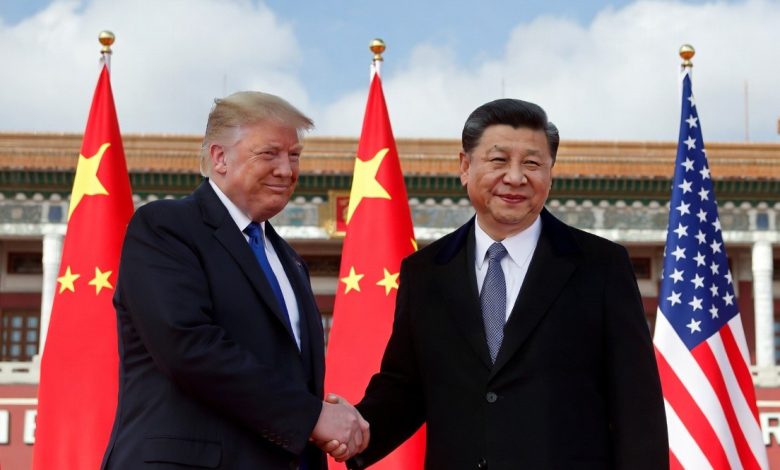
In international diplomacy, the narratives surrounding high-profile visits often overshadow the subtle, yet critical, objectives that drive them. A closer look at former President Trump’s trip to Beijing reveals a strategic intent far beyond securing trade agreements. The primary goal appears to have been to personally assess Xi Jinping’s condition, mental acuity, and political authority within the Chinese Communist Party. This face-to-face evaluation provided invaluable insights unattainable through conventional intelligence gathering methods, highlighting the nuanced strategies at play in a multipolar world. Understanding this context is crucial for interpreting the dynamics of U.S.-China relations and the broader implications for global stability. The visit, while appearing to focus on trade, served a more profound purpose: gathering firsthand intelligence on a key global leader.
The Superficial Deals: More Show Than Substance
The publicized outcomes of Trump’s Beijing visit included agreements on soybean purchases and Boeing aircraft orders. These deals, while significant in dollar terms, represented more of a symbolic gesture than a substantive shift in the complex U.S.-China trade relationship. There was no tangible progress on critical issues such as Taiwan, trade imbalances, or Russia’s influence. The lack of movement on these fronts suggests that the primary focus of the trip lay elsewhere, specifically on gaining a personal understanding of Xi Jinping’s leadership capabilities and internal standing. The deals served as a diplomatic facade, allowing for deeper strategic objectives to be pursued discreetly. The limited scope of these agreements underscores the idea that the trip’s true value was in the intangible assessments made behind closed doors.
Assessing Xi Jinping’s Condition: The Real Objective
The true value of Trump’s visit to Beijing was the opportunity to directly assess Xi Jinping’s physical condition, mental sharpness, and political grip. Such assessments are vital in a world where China’s influence is rapidly expanding and the stability of its leadership is paramount. Gaining firsthand insight into Xi’s capabilities provides a strategic advantage, allowing policymakers to anticipate future actions and potential shifts in Chinese foreign policy. This type of intelligence is invaluable, offering a level of understanding that cannot be replicated through traditional intelligence channels. The trip, therefore, was a strategic reconnaissance mission, aimed at understanding the human element behind China’s global ambitions. Assessing a foreign leader in person can reveal subtle cues about their health, confidence, and overall control that are impossible to glean from afar. Considering the current tensions in the Hormuz Strait, and the need for de-escalation, understanding the mindset of key global leaders becomes even more critical. You can get further insights on the region by checking out this article: Hormuz Crisis: Macron and Starmer Lead Defense Mission.
The Importance of Face-to-Face Intelligence in Modern Geopolitics
In an era dominated by digital communication and satellite surveillance, the importance of face-to-face intelligence gathering cannot be overstated. Direct personal interaction provides a depth of understanding that no amount of data analysis can replicate. Observing body language, assessing cognitive functions, and gauging emotional responses offer critical insights into a leader’s mindset and decision-making processes. This type of intelligence is particularly crucial when dealing with authoritarian regimes where internal dynamics are opaque and information is tightly controlled. The ability to personally assess a leader’s strengths and vulnerabilities can significantly inform foreign policy strategies and risk assessments. In today’s global landscape, where misinformation and propaganda are rampant, firsthand observations provide a vital layer of validation and context. Such intelligence is also key when there are questions surrounding the leadership in Iran, you can read more about it here: Mojtaba Khamenei: How the U.S.-Israel War Installed an Unprecedented Hardline Regime in Iran.
Implications for U.S. Foreign Policy
The intelligence gathered during Trump’s Beijing trip has significant implications for U.S. foreign policy. A clear understanding of Xi Jinping’s capabilities and political standing informs the development of effective strategies for managing the U.S.-China relationship. This includes anticipating potential challenges, identifying opportunities for cooperation, and calibrating responses to Chinese actions on the global stage. The assessment of Xi’s leadership also influences decisions related to trade negotiations, military deployments, and diplomatic initiatives. Informed policy decisions, based on accurate intelligence, are crucial for safeguarding U.S. interests and maintaining stability in the Indo-Pacific region. The insights gained from this trip help shape a more nuanced and effective approach to dealing with China’s growing influence.
Expert Opinions and Analysis
Foreign policy experts and analysts offer diverse perspectives on the significance of Trump’s Beijing visit. Some argue that the trip was primarily a symbolic gesture aimed at projecting strength and asserting U.S. interests. Others emphasize the strategic importance of gathering firsthand intelligence on Xi Jinping, highlighting the long-term implications for U.S.-China relations. Many analysts agree that the superficial trade deals were secondary to the primary objective of assessing Xi’s leadership capabilities. Expert opinions vary on the extent to which this assessment will influence future U.S. foreign policy decisions, but there is a consensus that the information gained is a valuable asset for policymakers. Understanding these different viewpoints provides a comprehensive picture of the visit’s potential impact. Additionally, assessing the mental and physical health of global leaders is not new; you can compare this trip to others when considering the potential for Europe to create a NATO alternative: Europe Builds a NATO Alternative Without America in 2026.
The Internal Dynamics of the Chinese Communist Party
Understanding the internal dynamics of the Chinese Communist Party (CCP) is essential for interpreting Xi Jinping’s actions and policies. The CCP operates as a highly centralized and disciplined organization, where power is concentrated at the top. Xi’s position as the paramount leader is contingent upon maintaining the support of key factions within the party. Assessing his political grip involves understanding the balance of power among these factions and identifying potential challenges to his authority. This internal dynamic significantly influences China’s foreign policy decisions and its approach to international relations. A stable and unified CCP under Xi’s leadership strengthens China’s global position, while internal divisions could lead to instability and unpredictable behavior. The internal politics directly correlate with issues of energy, such as the energy crisis: China Energy Crisis: Middle East Oil Import Collapse.
Impact on U.S.-China Relations
The assessment of Xi Jinping’s leadership capabilities gleaned from Trump’s visit plays a crucial role in shaping U.S.-China relations. This understanding informs the U.S.’s strategic approach to dealing with China on various fronts, including trade, security, and diplomacy. The insights gained can help anticipate China’s responses to U.S. policies and initiatives, allowing for more effective and proactive engagement. A clear understanding of Xi’s priorities and constraints enables the U.S. to tailor its strategies to achieve specific goals while minimizing potential conflicts. The visit’s impact on U.S.-China relations is long-lasting, influencing policy decisions and shaping the overall trajectory of this critical bilateral relationship. You can explore how leaders deal with crisis, much like the situation on the Lebanon-Israel border: Lebanon Demands Ceasefire at Washington Talks, Rejects Iran.
Comparing Leadership Styles: Trump vs. Xi
Contrasting the leadership styles of Trump and Xi provides valuable insights into the dynamics of U.S.-China relations. Trump’s approach was often characterized by directness, unpredictability, and a focus on immediate results. Xi, on the other hand, is known for his methodical, long-term strategic thinking and emphasis on stability and control. These differing styles can create both challenges and opportunities for cooperation. Understanding these differences is essential for navigating the complexities of the U.S.-China relationship. Trump’s personal assessment of Xi’s capabilities further informs the U.S.’s approach to engaging with China under different leadership styles. The assessment of leaderships, like the US Fed, can be tracked over time, such as the treasury in 2008: The Fed’s Treasury Buys Echoes of 2008 Risks in 2026.
The Future of U.S.-China Engagement
The future of U.S.-China engagement hinges on a clear understanding of each other’s strategic goals, leadership capabilities, and internal dynamics. Trump’s Beijing visit and the subsequent assessment of Xi Jinping contribute to this understanding, informing future policy decisions and shaping the overall trajectory of the relationship. The U.S. must continue to pursue a balanced approach, seeking cooperation where possible while addressing areas of disagreement and competition. Effective communication, strategic foresight, and a willingness to adapt to changing circumstances are crucial for managing this complex and consequential relationship. The insights gained from Trump’s visit provide a valuable foundation for navigating the challenges and opportunities that lie ahead. The future of US and China relations also depends on situations around the world like the conflict with Russia.
Potential Scenarios and Outcomes
Several potential scenarios could unfold in the future of U.S.-China relations, each with distinct implications for global stability. A scenario of increased cooperation could lead to progress on issues such as climate change, global health, and nuclear proliferation. Conversely, a scenario of heightened competition could result in trade wars, military tensions, and geopolitical rivalry. The assessment of Xi Jinping’s leadership capabilities informs the U.S.’s preparedness for these different scenarios, enabling it to adapt its strategies and safeguard its interests. The ability to anticipate potential outcomes and proactively address challenges is crucial for managing the U.S.-China relationship effectively. These scenarios must be constantly reviewed to properly adjust.
Data Table: Summary of Key Observations
| Observation | Significance | Implications for U.S. Policy |
|---|---|---|
| Limited substantive progress on trade deals | Focus on strategic assessment over immediate agreements | Re-evaluate trade negotiation strategies |
| Direct assessment of Xi Jinping’s condition | Invaluable intelligence on leadership capabilities | Inform long-term foreign policy decisions |
| Emphasis on face-to-face intelligence gathering | Provides insights beyond traditional intelligence | Prioritize personal interactions in diplomacy |
| Understanding CCP internal dynamics | Contextualizes Xi’s actions and policies | Anticipate potential shifts in Chinese foreign policy |
| Differing leadership styles | Challenges and opportunities for cooperation | Tailor engagement strategies accordingly |
Conclusion
Trump’s visit to Beijing was more than a routine diplomatic trip. It was a strategic mission to size up Xi Jinping and gather critical intelligence that cannot be obtained through conventional means. This assessment informs U.S. foreign policy, shapes the approach to U.S.-China relations, and prepares the U.S. for various potential scenarios. The insights gained from this visit are invaluable for navigating the complexities of a multipolar world and safeguarding U.S. interests in the face of China’s growing influence. By prioritizing face-to-face interactions and seeking a deeper understanding of foreign leaders, the U.S. can make more informed decisions and effectively manage its relationships with key global players. Ultimately, the true value of Trump’s Beijing trip lies not in the superficial deals that were struck, but in the intangible intelligence that was gathered. In addition to foreign policy, keep track of the ongoing developments domestically.