Cassidy’s Principled Stand: Upholding the Constitution Over Political Expediency
Introduction
In the ever-shifting landscape of American politics, the tension between party allegiance and constitutional duty often presents elected officials with difficult choices. The recent defeat of Senator Cassidy in a GOP primary serves as a stark reminder of the potential consequences of prioritizing principle over party loyalty. Cassidy’s unwavering commitment to upholding the Constitution, particularly his vote to convict Donald Trump on charges of inciting an insurrection, ultimately cost him his seat, igniting a national conversation about the future of principled conservatism and the enduring influence of Trump within the Republican Party. This article delves into the details of Cassidy’s defeat, exploring the broader implications for the GOP and the ongoing struggle to define the party’s identity in the post-Trump era.
Cassidy’s Principled Stand
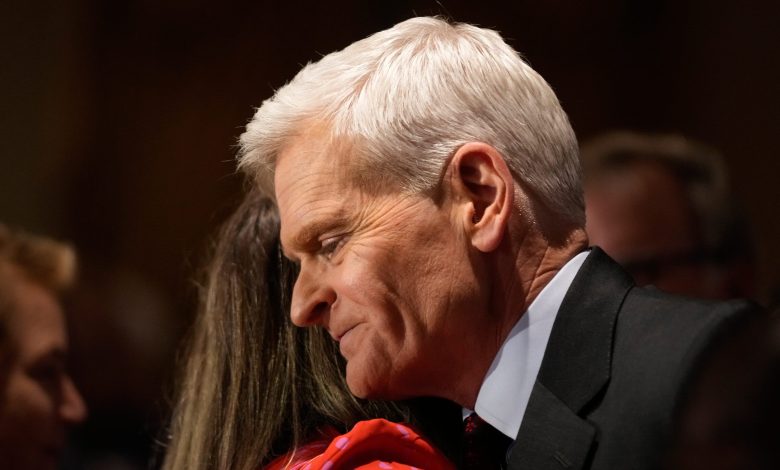
Senator Cassidy’s decision to vote in favor of convicting Donald Trump was not made in isolation. It represented a calculated choice to place his oath to the Constitution above the immediate political pressures of his party. In his statement following the defeat, Cassidy underscored the significance of his vote, expressing that it would be a defining element of his legacy. “That may have cost me my seat, but who cares? I had the privilege of voting to uphold the Constitution. Isn’t that a great thing?” Cassidy told reporters. “When I die, if that’s put in my obituary, ‘he voted to uphold the Constitution’ — I’ll figure that that’s going to be a better obituary.” This sentiment encapsulates the core of his rationale: a belief that his duty to the Constitution transcended political considerations.
Cassidy’s voting record in the Senate had largely aligned with Trump’s agenda, making his decision to break ranks on the impeachment vote all the more significant. This divergence highlighted a critical question facing many Republican lawmakers: whether to maintain unwavering loyalty to a party leader or to exercise independent judgment based on constitutional principles. Cassidy chose the latter, becoming one of the few Republicans willing to publicly challenge Trump’s actions and their implications for American democracy. This choice, while lauded by some as an act of courage and integrity, was viewed by others as a betrayal of the party and its supporters.
The Political Fallout
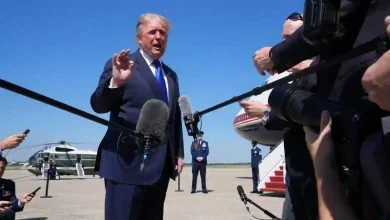
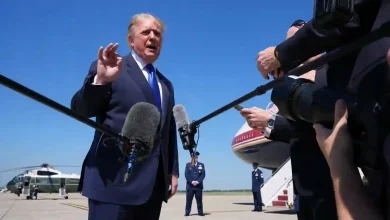
The immediate aftermath of Cassidy’s vote was marked by intense criticism from within his own party. Trump and his allies quickly mobilized against him, using their considerable influence to undermine his standing among Republican voters. This pressure campaign intensified as the primary election approached, with Trump endorsing a challenger who pledged unwavering loyalty to the former president.
The result was a clear demonstration of Trump’s continued hold on the Republican base. Despite Cassidy’s efforts to highlight his conservative credentials and his alignment with Trump on other key issues, voters ultimately prioritized loyalty to Trump above all else. This outcome sent a chilling message to other Republican lawmakers, suggesting that any deviation from Trump’s line could result in political retribution. The defeat also underscored the growing divide within the GOP, pitting traditional conservatives against a more populist, Trump-aligned faction. For additional context, consider the ongoing debates around election integrity and the challenges faced by election officials.
The Legacy of Impeachment Votes
Cassidy’s defeat is part of a larger trend. Almost all of the Republicans who voted at one point to impeach or convict Trump are no longer in Congress. This exodus raises serious questions about the future of dissent within the Republican Party and the potential for independent voices to survive in an increasingly polarized political environment. The departure of these lawmakers represents a loss of institutional knowledge and experience, as well as a narrowing of the range of perspectives represented within the GOP.
The consequences of these departures extend beyond the immediate political landscape. By effectively purging those who dared to challenge Trump, the Republican Party risks becoming increasingly insular and resistant to new ideas. This could have long-term implications for the party’s ability to adapt to changing demographics and evolving voter preferences. Moreover, the silencing of dissenting voices could further exacerbate the divisions within American society, making it more difficult to find common ground on critical issues. To understand the broader context, examining cases where politicians face legal challenges can provide valuable insights.
Trump’s Influence on the GOP
Donald Trump’s enduring influence on the Republican Party is undeniable. Despite leaving office in 2021, he continues to wield considerable power over the party’s direction and its electoral fortunes. His endorsements remain highly coveted, and his ability to mobilize his base of supporters is unmatched. This influence has allowed him to shape the party in his image, prioritizing loyalty and populism over traditional conservative principles.
The implications of Trump’s continued dominance are far-reaching. The Republican Party has become increasingly defined by its allegiance to a single individual, rather than by a coherent set of beliefs or policies. This has led to a decline in intellectual diversity and a reluctance to engage in critical self-reflection. As the party becomes more closely associated with Trump, it risks alienating moderate voters and limiting its appeal to a broader electorate. For instance, the recent controversy surrounding comments made by Bill Maher highlights the challenges of navigating political discourse in the current climate.
The Constitution vs. Party Loyalty
The conflict between upholding the Constitution and maintaining party loyalty is not new to American politics, but it has become particularly acute in recent years. The rise of partisan polarization has created an environment in which any deviation from party lines is seen as an act of betrayal. This has made it increasingly difficult for elected officials to exercise independent judgment or to prioritize their constitutional duties over the demands of their party.
The Constitution is designed to be a safeguard against the tyranny of the majority, protecting the rights of individuals and ensuring that no single faction can dominate the government. When party loyalty trumps constitutional principles, this safeguard is weakened, and the risk of abuse of power increases. Elected officials have a responsibility to uphold the Constitution, even when it means going against the wishes of their party or their constituents. Cassidy’s decision to do so, while politically costly, was a testament to his commitment to this fundamental principle.
Historical Perspective on Constitutional Dilemmas
Throughout American history, numerous political figures have faced similar dilemmas, forced to choose between their personal convictions, constitutional duties, and party loyalty. These moments often define their legacies and shape the course of the nation. From the Civil War era debates over slavery to the Watergate scandal, examples abound of leaders grappling with difficult choices that tested the very foundations of American democracy. Examining these historical precedents offers valuable insights into the challenges and consequences of prioritizing principle over political expediency.
The actions of these historical figures serve as a reminder that upholding the Constitution sometimes requires courage and a willingness to sacrifice personal gain. They also highlight the importance of independent thought and critical inquiry in a healthy democracy. By studying these examples, we can gain a deeper appreciation for the complexities of political leadership and the enduring relevance of constitutional principles. For example, considering the historical context of trade tariffs can provide insights into current economic policy debates.
The Future of Principled Conservatism
Cassidy’s defeat raises profound questions about the future of principled conservatism in the United States. Can a Republican Party dominated by Trumpian populism still accommodate those who prioritize constitutional principles and independent thought? Or is the party destined to become an echo chamber of loyalty, devoid of intellectual diversity and critical self-reflection? The answers to these questions will have a significant impact on the future of American politics.
For principled conservatism to thrive, it must find a way to appeal to a broader electorate, including moderate voters and those who are turned off by the divisive rhetoric of the Trump era. This will require a willingness to engage in open and honest debate, to challenge conventional wisdom, and to prioritize solutions over partisan posturing. It will also require a new generation of leaders who are willing to stand up for their beliefs, even when it is politically inconvenient. The future of American conservatism depends on the emergence of such leaders and their ability to articulate a compelling vision for the country.
Expert Analysis on Cassidy’s Defeat
Political analysts and commentators have offered various perspectives on Cassidy’s defeat, each shedding light on different aspects of the current political climate. Some argue that his loss was inevitable, given the intensity of Trump’s opposition and the unwavering loyalty of his base. Others suggest that Cassidy could have done more to defend his vote or to appeal to moderate Republicans who might have been sympathetic to his position. Still others believe that his defeat was a sign of a deeper malaise within the Republican Party, a reflection of its increasing intolerance for dissent and its growing embrace of authoritarian tendencies.
Regardless of the specific interpretation, most experts agree that Cassidy’s defeat represents a significant moment in American politics. It underscores the challenges facing those who seek to uphold constitutional principles in an era of intense partisan polarization. It also highlights the enduring power of Donald Trump and his ability to shape the Republican Party in his image. As the country moves forward, it will be essential to learn from this experience and to find ways to promote a more inclusive and tolerant political environment. Consider the ongoing debates surrounding global health information and data access.
Consequences for the Republican Party
The defeat of Senator Cassidy carries significant consequences for the Republican Party, potentially exacerbating existing divisions and impacting its long-term viability. The message sent by Cassidy’s loss is clear: loyalty to Donald Trump and his agenda is paramount, and deviation from this loyalty can lead to political ruin. This creates a chilling effect on other Republican lawmakers, discouraging independent thought and critical evaluation of party positions. The party risks becoming increasingly monolithic, losing the ability to adapt to changing demographics and evolving voter preferences.
Furthermore, the focus on loyalty over competence may lead to less effective governance. When elected officials prioritize allegiance to a leader over the needs of their constituents, policy decisions may be driven by political considerations rather than sound judgment. This can result in policies that are harmful to the economy, the environment, or the social fabric of the nation. For example, debates over environmental regulations often highlight the tension between economic interests and ecological concerns.
Table Comparing Senators’ Votes
| Senator | State | Vote on Conviction | Currently in Office? |
|---|---|---|---|
| Cassidy | [State] | Yes | No |
| [Senator Name] | [State] | Yes | No |
| [Senator Name] | [State] | Yes | No |
| [Senator Name] | [State] | Yes | No |
| [Senator Name] | [State] | Yes | No |
Conclusion
Senator Cassidy’s defeat serves as a stark reminder of the challenges facing those who prioritize constitutional principles over party loyalty in today’s political environment. His decision to vote to convict Donald Trump, while lauded by some as an act of courage, ultimately cost him his seat, highlighting the enduring influence of Trump within the Republican Party. As the GOP grapples with its identity in the post-Trump era, the lessons learned from Cassidy’s experience will be critical in shaping the future of principled conservatism and the role of dissent in American politics. The consequences of these decisions will reverberate for years to come, influencing the direction of the country and the health of its democracy. As debates around election integrity continue, understanding the motivations and consequences of these actions becomes ever more important. Meanwhile, geopolitical tensions continue to simmer, as exemplified by the recent deployment of a French warship in the Hormuz Strait.
Learn more about the US Constitution.
Internal links:
1. Spirit Airlines Shuts Down, May 2: Stranded Passengers, White House
2. The Feds’ Treasury Buys: Echoes of 2008 Risks in 2026
3. Trump Iran Military Action: Strike Packages, Operation Epic Fury
4. Von der Leyen Responds to Trump’s Tariff Threat: A Deal Is a Deal
5. Iran Slams UAE’s ‘Inappropriate’ OPEC Exit, Cites Regional Aid