CASABLANCA: Second Missing US Soldier Recovered in Morocco
Introduction
CASABLANCA, Morocco, is the location where a somber chapter has concluded following the recovery of the remains of a second U.S. Army soldier who went missing during military exercises in Morocco. The U.S. military confirmed the discovery on Wednesday, bringing an end to an extensive multinational search operation that incorporated air, naval, and advanced artificial intelligence (AI) assets. This incident has not only deeply affected the U.S. Army community but also underscores the complexities and inherent risks associated with large-scale military training exercises conducted in international settings.
The recovery operation highlighted the strong collaboration between the United States and Morocco, showcasing the capabilities of both nations in deploying sophisticated resources for search and rescue missions. The use of AI in such an operation marks a significant advancement in search technology, promising more efficient and thorough methods for locating missing personnel in challenging environments. This event also prompts a closer examination of safety protocols and risk management strategies within military training programs to prevent similar incidents in the future.
The Discovery of Spc. Collington’s Remains
The discovery of the soldier’s remains marks the end of a tense period for the families, fellow soldiers, and the broader military community. The multinational search operation, which had been ongoing for several days, employed a wide array of resources, reflecting the commitment to locate the missing service members. The collaborative effort between the U.S. and Moroccan forces demonstrated a high level of interoperability and mutual support, reinforcing the importance of international partnerships in addressing security and humanitarian challenges.
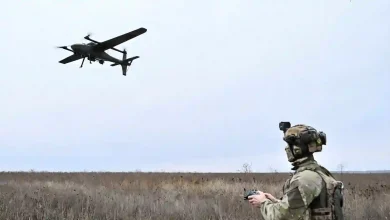
The specific details of the discovery, including the exact location and circumstances, have not been fully disclosed, but it is understood that the remains were found in a remote area, accessible only by specialized equipment and personnel. The challenging terrain and environmental conditions added to the complexity of the search, requiring meticulous planning and execution. The use of advanced technology, such as drones and satellite imagery, played a crucial role in narrowing down the search area and guiding ground teams to the location of the remains.
Identification and Official Statement
The U.S. military identified the deceased soldier as Spc. Mariyah Symone Collington, 19, from Taveres, Florida. Spc. Collington served as an air and missile defense crewmember with Charlie Battery, 5th Battalion, 4th Air Defense Artillery Regiment, 10th Army Air and Missile Defense Command, U.S. Army Europe and Africa. The official statement released by the U.S. military Europe and Africa expressed deep condolences to the family and friends of Spc. Collington, acknowledging her dedication and service to the nation.
The statement also detailed the process by which the remains were transported, emphasizing the respect and care taken in handling the situation. “Royal Moroccan Armed Forces transported the Soldier’s remains by a Moroccan helicopter to the morgue of Moulay El Hassan Military Hospital in Guelmim, Morocco,” the statement confirmed. This collaboration underscores the strong relationship between the U.S. and Moroccan armed forces, particularly in times of crisis. The identification process involved forensic analysis to ensure accuracy and provide closure to the family.
Spc. Collington’s Military Background
Spc. Collington’s military journey began in 2023 when she entered the Regular Army’s Delayed Entry Program. She began active-duty service in 2024 and completed her Basic Combat Training and Advanced Individual Training at Fort Sill in Oklahoma, specializing as a 14P air and missile defense crewmember. In February 2025, she was assigned to Charlie Battery, 5th Battalion, 4th Air Defense Artillery Regiment, in Ansbach, Germany. Her dedication and performance led to her promotion to specialist on May 1, 2026, shortly before the tragic incident.
Her role as an air and missile defense crewmember was critical, involving the operation and maintenance of sophisticated equipment designed to protect against aerial threats. This position requires a high level of technical skill, attention to detail, and the ability to work effectively under pressure. Spc. Collington’s rapid advancement through the ranks is a testament to her commitment and competence. Her loss is deeply felt by her unit, where she was regarded as a valued and respected member. The Army is providing support and counseling services to her fellow soldiers to help them cope with the grief and trauma of this event. It’s important to remember that military service, while honorable, carries inherent risks, and the dedication of soldiers like Spc. Collington is vital to national security.
Details of the Multinational Search Operation
The multinational search operation to locate the missing soldiers was a complex and coordinated effort involving the United States and Morocco. It leveraged a wide range of resources, including air, naval, and ground assets. Aircraft equipped with advanced sensors and imaging technology were deployed to scan the terrain, while naval vessels patrolled the coastal areas. Ground teams, consisting of soldiers, specialized search and rescue personnel, and local guides, conducted meticulous searches of the land. The operation also benefited from the support of local communities, who provided valuable information and assistance.
The challenging environment, characterized by rugged terrain and extreme weather conditions, added to the difficulty of the search. The operation required careful planning, precise execution, and close coordination between the various participating units and agencies. The use of sophisticated communication systems ensured that all teams were able to share information and coordinate their efforts effectively. The commitment of both the U.S. and Moroccan governments to allocate significant resources to the search operation underscored the importance of the mission and the value placed on the lives of the missing soldiers. This collaboration highlights the mutual respect and shared security interests between the two nations.
The Role of Artificial Intelligence in the Search
The incorporation of artificial intelligence (AI) into the search operation represents a significant advancement in search and rescue technology. AI algorithms were used to analyze vast amounts of data collected from various sources, including satellite imagery, drone footage, and sensor readings. These algorithms were able to identify patterns and anomalies that might indicate the location of the missing soldiers. For instance, AI could detect subtle changes in the landscape that would be difficult for human observers to spot, or it could analyze radio signals to pinpoint the location of emergency beacons.
The use of AI significantly accelerated the search process and improved the chances of success. By automating the analysis of large datasets, AI freed up human searchers to focus on more targeted areas. The technology also enhanced the accuracy of the search, reducing the likelihood of overlooking critical clues. As AI technology continues to evolve, it is expected to play an increasingly important role in future search and rescue operations, both in military and civilian contexts. This application of AI demonstrates the potential of technology to save lives and improve the effectiveness of emergency response efforts. The use of AI in this search operation underscores the importance of investing in research and development of advanced technologies for humanitarian purposes. AI continues to evolve and adapt to our technology, and with that, can bring innovative ways to problem solve.
Impact on Military Cooperation Between the U.S. and Morocco
The joint search operation has further strengthened the already robust military cooperation between the U.S. and Morocco. The seamless integration of U.S. and Moroccan forces, the sharing of resources and expertise, and the mutual commitment to the mission have reinforced the bonds of friendship and trust between the two nations. This collaboration serves as a model for international partnerships in addressing security challenges and promoting regional stability. The U.S. and Morocco have a long history of military cooperation, engaging in joint training exercises, intelligence sharing, and security assistance programs. This relationship is underpinned by shared strategic interests, including counterterrorism, maritime security, and regional stability.
The successful completion of the search operation demonstrates the effectiveness of this partnership and its capacity to respond to crises effectively. The U.S. military values its relationship with Morocco and recognizes the country’s important role in promoting security and stability in North Africa. The cooperation extends beyond military matters, encompassing economic, cultural, and diplomatic ties. The U.S. supports Morocco’s efforts to modernize its economy, strengthen its democratic institutions, and promote human rights. The two countries also work together on a range of global issues, including climate change, public health, and humanitarian assistance. This multifaceted partnership is based on mutual respect, shared values, and a commitment to working together to address common challenges. International Partnerships can be difficult, but important to uphold peace.
Reactions from the Military Community
The news of Spc. Collington’s death has sent shockwaves through the military community. Fellow soldiers, commanders, and veterans have expressed their grief and offered condolences to her family and friends. Many have taken to social media to share their memories of her and to express their admiration for her service. The military community is known for its strong sense of camaraderie and mutual support, and this tragedy has brought them even closer together. The Army is providing counseling services and support to soldiers affected by the loss, recognizing the emotional toll that such events can take.
The incident has also sparked discussions about the risks associated with military training exercises and the importance of safety protocols. While acknowledging the inherent dangers of military service, many are calling for a thorough review of training procedures to identify potential areas for improvement. The goal is to minimize the risk of accidents and ensure that soldiers are adequately prepared for the challenges they face. The military community is united in its commitment to honor the memory of Spc. Collington and to support her family during this difficult time. Her sacrifice will not be forgotten, and her legacy will inspire others to serve with courage and dedication. This loss highlights the human cost of military service and the importance of supporting the men and women who defend our nation.
Investigation into the Circumstances of the Incident
A comprehensive investigation is underway to determine the circumstances surrounding the disappearance and death of Spc. Collington. The investigation will seek to ascertain the factors that contributed to the incident, including any potential failures in training, equipment, or procedures. The findings of the investigation will be used to inform future training exercises and to prevent similar incidents from occurring. The investigation will be conducted by a team of experienced investigators, including safety experts, military police, and representatives from the U.S. Army Combat Readiness Center. The team will gather evidence, interview witnesses, and analyze relevant data to develop a clear understanding of what happened.
The investigation will also examine the role of environmental factors, such as weather conditions and terrain, in the incident. The goal is to identify any potential hazards that may have contributed to the accident. The investigation will be transparent and thorough, and the findings will be made public, subject to privacy and security considerations. The Army is committed to learning from this tragedy and to taking all necessary steps to ensure the safety of its soldiers. The investigation underscores the importance of accountability and the need to continuously improve safety standards in military training. The results of this investigation could also potentially impact future collaborations.
Comparison of Recent Military Training Incidents
To provide context, it is helpful to compare this incident with other recent military training accidents. Examining the similarities and differences in these events can help identify common themes and potential areas for improvement. For instance, some training accidents involve human error, while others are caused by equipment malfunction or environmental factors. By analyzing these incidents, the military can develop more effective safety protocols and training procedures. It’s important to consider a wide range of factors, including the type of training, the location, the weather conditions, and the experience level of the participants.
It’s also important to look at the after-action reviews conducted following these incidents to see what lessons were learned and what changes were implemented. The goal is to create a culture of continuous improvement, where safety is always the top priority. By sharing information and best practices, the military can reduce the risk of accidents and protect the lives of its soldiers. This comparative analysis can also inform the development of new technologies and equipment designed to enhance safety in training environments. Reviewing past incidents allows for more informed decisions and risk management. Safety is an important factor in any event.
Future Implications for Military Training Exercises
This tragic event will likely have significant implications for future military training exercises. The Army will likely review its safety protocols, risk management strategies, and emergency response procedures to identify areas for improvement. There may be increased emphasis on pre-training risk assessments, enhanced safety briefings, and more rigorous supervision of training activities. The Army may also invest in new technologies and equipment designed to enhance safety, such as improved communication systems, personal protective equipment, and search and rescue tools. In addition, there may be changes to the way training exercises are planned and executed, with a greater emphasis on realistic scenarios and challenging environments.
The goal is to prepare soldiers for the realities of combat while minimizing the risk of accidents and injuries. This may involve more frequent and realistic simulations, as well as more intensive training in survival skills and emergency medical procedures. The Army will also need to address the emotional and psychological impact of this tragedy on its soldiers. This may involve providing more counseling services, promoting mental health awareness, and encouraging open communication about stress and trauma. The ultimate goal is to create a culture of safety and resilience, where soldiers are well-prepared for the challenges they face and are supported in their efforts to protect our nation.
The Emotional Toll on Families and Units
The loss of Spc. Collington is a devastating blow to her family, friends, and fellow soldiers. The emotional toll on those closest to her is immense, and they will need ongoing support to cope with their grief. The Army is providing counseling services, financial assistance, and other resources to help them through this difficult time. The unit to which Spc. Collington was assigned will also be deeply affected by her loss. Soldiers who served alongside her will be struggling with feelings of sadness, anger, and guilt. The Army is providing them with counseling services and opportunities to grieve together.
Commanders will need to be sensitive to the emotional needs of their soldiers and provide them with the time and space they need to heal. It’s important to create a supportive environment where soldiers feel comfortable sharing their feelings and seeking help. The Army also recognizes the importance of honoring the memory of Spc. Collington and celebrating her life. This may involve holding memorial services, creating tributes, and sharing stories about her service and dedication. The goal is to ensure that her sacrifice is not forgotten and that her legacy inspires others to serve with courage and compassion. It’s important to remember that grief is a natural and normal response to loss, and that it’s okay to seek help when you need it. Support is important for soliders and their families.
Conclusion
The recovery of Spc. Mariyah Symone Collington’s remains in CASABLANCA, Morocco, brings a somber conclusion to a multinational search operation, highlighting both the strength of international military cooperation and the inherent risks of military training. The incident underscores the importance of continuous improvement in safety protocols, the integration of advanced technologies like AI in search and rescue efforts, and the unwavering support for the families and units affected by such tragedies. As the investigation unfolds, the lessons learned will undoubtedly shape future training exercises and reinforce the commitment to protecting the lives of those who serve.
| Aspect | Details |
|---|---|
| Name | Spc. Mariyah Symone Collington |
| Age | 19 |
| Hometown | Taveres, Florida |
| Unit | Charlie Battery, 5th Battalion, 4th Air Defense Artillery Regiment, 10th Army Air and Missile Defense Command |
| Specialty | Air and Missile Defense Crewmember (14P) |
| Training Locations | Fort Sill, Oklahoma; Ansbach, Germany |
| Date of Promotion | May 1, 2026 |
| Location of Recovery | Near CASABLANCA, Morocco |
| Search Operation | Multinational effort involving air, naval, and AI assets |