Killing of Casey Goodson Jr.: Jason Meade Convicted in Ohio
Introduction
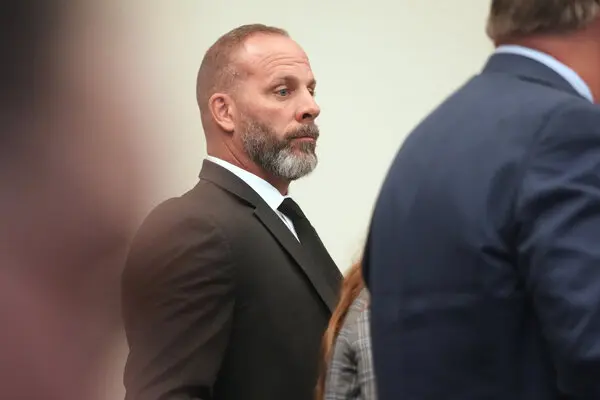
The killing of Casey Goodson Jr. by former Franklin County Sheriff’s Deputy Jason Meade in December 2020 remains a deeply divisive and highly scrutinized case in Ohio. The legal proceedings, marked by initial mistrials and eventual conviction on lesser charges, have stirred intense emotions and highlighted ongoing tensions between law enforcement and the Black community. This case unfolded against the backdrop of national protests sparked by the death of George Floyd, adding another layer of complexity to an already sensitive situation. The details surrounding the shooting, the conflicting testimonies, and the ultimate verdict have sparked significant debate about police accountability, racial bias, and the use of force. This article delves into the intricacies of the case, exploring the events leading up to the shooting, the subsequent trials, the community’s response, and the broader implications for law enforcement and justice.
The Shooting of Casey Goodson Jr.
On December 4, 2020, Casey Goodson Jr., a 23-year-old Black man, was fatally shot by Jason Meade, a white Franklin County Sheriff’s Deputy, in Columbus, Ohio. The circumstances of the shooting are heavily disputed. Meade claimed that he witnessed Goodson waving a gun at him from his car as they passed each other, prompting him to pursue Goodson to his grandmother’s house. According to Meade, when Goodson reached the doorway, he turned towards Meade with the gun, leading Meade to fire. However, this account is contradicted by the fact that no other witnesses, including family members present at the scene, corroborated Meade’s claim that Goodson was holding a gun. Goodson was shot five times in the back and once in the side. At the time of the shooting, Goodson was carrying a concealed firearm, for which he had a valid license. Adding to the complexity, Goodson’s family and their legal representatives maintain that he was carrying a bag of Subway sandwiches and his keys, and was wearing earbuds, suggesting he was not aware of Meade’s presence or intentions. The lack of video footage from body cameras or surveillance systems further complicated the investigation, leaving many questions unanswered and fueling public skepticism.
The Trials and Mistrials
The legal journey of Jason Meade was fraught with complications, including two mistrials before a verdict was reached. The initial trial on murder charges ended in a mistrial when jurors were unable to reach a unanimous decision on the more serious charge of murder. This deadlock highlighted the deep divisions and differing perspectives within the jury regarding the evidence presented and the interpretation of the law. The prosecution argued that Meade acted recklessly and without justification, while the defense maintained that Meade acted in self-defense, fearing for his life. The inability of the jury to reach a consensus led to a declaration of a mistrial, necessitating a second attempt to bring the case to a resolution. The second trial also faced significant challenges, with the defense arguing that Meade reasonably believed Goodson posed a threat, while the prosecution emphasized the lack of corroborating evidence to support Meade’s claims. The prolonged legal battle underscored the complexities of the case and the high burden of proof required to secure a conviction in such a highly contested scenario. Ultimately, Meade was convicted on lesser charges, which reflected a compromise by the jury, acknowledging some culpability but stopping short of a murder conviction.
Jason Meade’s Testimony
A crucial aspect of the trials was the testimony of Jason Meade himself. He stated that he saw Goodson waving a gun at him from his vehicle, initiating the pursuit. Meade further testified that Goodson turned toward him with a gun in the doorway of the house, leading Meade to believe his life was in danger, thus justifying the use of deadly force. This testimony was central to the defense’s argument of self-defense. However, Meade’s account faced intense scrutiny due to the absence of supporting evidence. No other witnesses testified to seeing Goodson with a gun, and the lack of video footage left Meade’s words as the sole source of this critical claim. During cross-examination, prosecutors challenged the consistency and credibility of Meade’s statements, pointing out inconsistencies and raising doubts about the reasonableness of his actions. The jury had to weigh Meade’s testimony against the other evidence presented, including the physical evidence and the accounts of other witnesses, to determine whether his actions were justified under the law. The believability and reliability of Meade’s testimony were key factors in the jury’s deliberations and ultimately influenced the outcome of the trial.
The Verdict and Its Implications
After lengthy deliberations, the jury found Jason Meade guilty on charges that were less severe than the original murder charge. This verdict sparked a range of reactions, with some viewing it as a partial victory for justice, while others expressed disappointment that Meade was not convicted of murder. The conviction, though not for the most serious offense, still holds significant implications. It marks Meade as one of the few law enforcement officers in Ohio to be convicted in the killing of a Black man since the George Floyd protests, underscoring a shift in accountability and a willingness to hold officers responsible for their actions. The verdict also sends a message to law enforcement agencies about the importance of adhering to proper procedures and respecting the rights of citizens, regardless of race. Furthermore, the case highlights the challenges of prosecuting police officers for on-duty shootings, particularly when the circumstances are ambiguous and the evidence is contested. The outcome of the Meade trial is likely to have a lasting impact on police-community relations and the pursuit of justice in similar cases in the future.
Community Reaction and Outrage
The killing of Casey Goodson Jr. and the subsequent legal proceedings ignited widespread outrage and protests within the Columbus community and beyond. Activists and community members expressed anger and frustration over what they perceived as a lack of accountability for police misconduct and systemic racism within the justice system. The Goodson case became a focal point for broader discussions about police brutality, racial profiling, and the need for police reform. Protests and demonstrations called for justice for Casey Goodson Jr. and demanded greater transparency and accountability from law enforcement agencies. Community leaders organized town hall meetings and forums to address the concerns of residents and to develop strategies for promoting positive change. The case also fueled calls for body cameras to be mandatory for all law enforcement officers in Ohio, as well as for independent investigations of police shootings. The community’s response to the Goodson case underscores the deep-seated mistrust and resentment that exists between law enforcement and many communities of color, highlighting the urgent need for dialogue, reconciliation, and meaningful reform.
Broader Context: George Floyd and Police Shootings
The killing of Casey Goodson Jr. occurred against the backdrop of national unrest and heightened scrutiny of police shootings, particularly those involving Black individuals. The death of George Floyd in May 2020 sparked widespread protests and calls for police reform across the United States, bringing issues of racial injustice and police brutality to the forefront of public consciousness. The Goodson case became intertwined with these broader discussions, with many viewing it as another example of systemic racism and the excessive use of force by law enforcement. The similarities between the Goodson case and other high-profile police shootings, such as the deaths of Michael Brown, Breonna Taylor, and Tamir Rice, amplified the sense of outrage and injustice. These cases collectively contributed to a growing movement demanding greater accountability for police officers and fundamental changes to policing practices. The Goodson case also underscored the importance of addressing implicit bias and promoting de-escalation techniques within law enforcement agencies, as well as fostering stronger relationships between police and the communities they serve.
Legal Analysis of the Case
From a legal standpoint, the killing of Casey Goodson Jr. presented several complex issues. The central question was whether Jason Meade’s use of deadly force was justified under the circumstances. Ohio law, like many states, allows law enforcement officers to use deadly force when they reasonably believe that their life or the life of another is in imminent danger. The prosecution argued that Meade’s actions were unreasonable, given the lack of evidence that Goodson posed a threat. The defense countered that Meade reasonably believed Goodson was armed and dangerous, and that he acted in self-defense. The jury had to weigh the evidence and determine whether Meade’s belief was objectively reasonable, considering the totality of the circumstances. The absence of video footage and conflicting witness accounts made this determination particularly challenging. The case also raised questions about the legality of Meade’s pursuit of Goodson, as well as the procedures followed by law enforcement in investigating the shooting. Legal experts have noted that the Goodson case highlights the difficulties of prosecuting police officers for on-duty shootings, due to the legal protections afforded to officers and the high burden of proof required to overcome the presumption of innocence.
The Role of Evidence
The evidence presented in the trials of Jason Meade played a critical role in shaping the outcome of the case. The prosecution relied heavily on the lack of eyewitness testimony corroborating Meade’s claim that Goodson was holding a gun, as well as the fact that Goodson was shot in the back. They also presented evidence that Goodson was carrying a bag of Subway sandwiches and listening to music through earbuds, suggesting he was not aware of Meade’s presence or intentions. The defense, on the other hand, emphasized Meade’s training and experience as a law enforcement officer, as well as his belief that Goodson posed a threat. They also pointed to the fact that Goodson was legally carrying a concealed firearm, arguing that this justified Meade’s suspicion. The absence of video footage from body cameras or surveillance systems was a significant disadvantage for both sides, as it left many questions unanswered and open to interpretation. The jury had to carefully consider all of the evidence presented, weigh the credibility of the witnesses, and make inferences based on the available information. The conflicting evidence and the lack of conclusive proof made the jury’s task particularly difficult, contributing to the initial mistrials and the ultimate conviction on lesser charges.
Impact on Police-Community Relations
The killing of Casey Goodson Jr. and the subsequent legal proceedings have had a profound impact on police-community relations in Columbus, Ohio, and beyond. The case has deepened the divide between law enforcement and many communities of color, exacerbating existing tensions and mistrust. Community members have expressed frustration and anger over what they perceive as a lack of accountability for police misconduct and systemic racism within the justice system. The Goodson case has also fueled calls for greater transparency and accountability from law enforcement agencies, as well as for increased community involvement in policing policies and practices. Efforts to improve police-community relations include implementing community policing strategies, providing implicit bias training to officers, and establishing civilian review boards to oversee police conduct. The Goodson case serves as a reminder of the importance of building trust and fostering positive relationships between police and the communities they serve, as well as the need for ongoing dialogue and collaboration to address issues of racial injustice and police brutality.
Future Legal Challenges
Despite the conviction of Jason Meade on lesser charges, the legal saga surrounding the killing of Casey Goodson Jr. may not be entirely over. Depending on the specific charges and the laws of the jurisdiction, there could be further legal challenges, such as appeals, civil lawsuits, or even federal investigations into potential civil rights violations. Appeals could focus on issues such as errors in jury instructions, evidentiary rulings, or claims of prosecutorial misconduct. Civil lawsuits could be filed by the Goodson family against Meade, the Franklin County Sheriff’s Office, or other parties, seeking monetary damages for wrongful death, negligence, or other claims. Federal investigations could be initiated by the Department of Justice to determine whether Meade’s actions violated Goodson’s civil rights. The outcome of these future legal challenges could have significant implications for the parties involved, as well as for the broader issues of police accountability and racial justice. It is important to closely monitor these developments and to remain committed to ensuring that justice is served in the case of Casey Goodson Jr.
Conclusion
The killing of Casey Goodson Jr. by Jason Meade remains a contentious and emotionally charged case that has exposed deep divisions and systemic issues within the criminal justice system. The conflicting accounts of the shooting, the initial mistrials, and the eventual conviction on lesser charges have fueled public outrage and calls for police reform. The case has also highlighted the challenges of prosecuting police officers for on-duty shootings, particularly when the circumstances are ambiguous and the evidence is contested. While the conviction of Meade represents a step towards accountability, it also underscores the need for ongoing dialogue, collaboration, and meaningful change to address issues of racial injustice and police brutality. The Goodson case serves as a reminder of the importance of building trust and fostering positive relationships between police and the communities they serve, as well as the need for greater transparency, accountability, and community involvement in policing policies and practices. Only through sustained effort and commitment can we hope to prevent future tragedies and create a more just and equitable society for all.
| Aspect | Details |
|---|---|
| Victim | Casey Goodson Jr., 23-year-old Black man |
| Perpetrator | Jason Meade, former Franklin County Sheriff’s Deputy (white) |
| Date of Incident | December 4, 2020 |
| Location | Columbus, Ohio |
| Circumstances | Disputed; Meade claimed self-defense, no other witnesses corroborated |
| Charges | Initial murder charge, later convicted on lesser charges |
| Key Evidence | Lack of eyewitnesses, no video footage, Goodson’s legal firearm |
| Community Reaction | Outrage, protests, calls for police reform |
| Broader Context | George Floyd protests, national scrutiny of police shootings |
| Impact | Deepened police-community tensions, heightened calls for accountability |