WHO Data Access Concerns Rise as US Navigates Global Health Information Gaps

Introduction
In the evolving landscape of global health, access to timely and accurate data is paramount for effective disease prevention and control. Recent concerns have been raised regarding the United States’ potential limitations in accessing crucial surveillance data, particularly from the World Health Organization (WHO), which could impede the nation’s ability to respond effectively to emerging health threats. This situation has sparked discussions among health experts about the implications for public health and the strategies needed to navigate these challenges. As global dynamics shift, the U.S. may need to adapt its approach to international health collaborations to ensure its continued ability to safeguard public health.
Expert Concerns Over Data Access
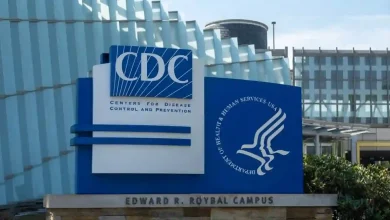
Amira Albert Roess, a professor of global health and epidemiology at George Mason University, has voiced concerns about the potential loss of access to vital surveillance data and contact tracing information previously available to the U.S. through its membership and donor status with the WHO. According to Roess, the reduced access means that U.S. experts, such as those from the Centers for Disease Control and Prevention (CDC), may no longer be directly involved in critical activities like sequencing viruses, potentially delaying the receipt of important findings. This shift could force the U.S. to rely on secondary sources for information, which may compromise the timeliness and accuracy of data. The ability to promptly access and analyze such data is essential for implementing effective public health interventions and preventing the spread of infectious diseases. Continuous monitoring and real-time analysis are crucial components of a robust public health system, enabling informed decision-making and swift responses to potential outbreaks. Losing direct access to this information could significantly hinder the U.S.’s capacity to protect its population from global health threats. This also raises questions about the U.S.’s influence and participation in international health initiatives, particularly concerning data sharing and collaborative research efforts.
Potential Impact on Disease Control
The potential limitations on data access could have far-reaching consequences for disease control in the U.S. Without direct access to real-time surveillance data, the ability to quickly identify and respond to outbreaks could be severely compromised. Contact tracing, a critical component of disease control, relies on the prompt identification of cases and their contacts to prevent further spread. Delays in accessing this information could lead to slower response times, allowing diseases to spread more widely and potentially resulting in more significant health crises. Furthermore, the absence of U.S. experts in international teams could limit the country’s ability to contribute to and benefit from global research efforts aimed at understanding and combating emerging health threats. This could hinder the development of effective treatments and preventive measures, leaving the U.S. vulnerable to future pandemics. The ability to analyze virus sequences is particularly crucial for understanding the evolution of pathogens and developing targeted interventions. If U.S. experts are not directly involved in this process, the country may miss critical insights that could inform public health strategies. Moreover, the credibility and influence of the U.S. in global health governance could be undermined, impacting its ability to shape international health policies and norms. Addressing the COVID-19 pandemic required global collaboration, and any impediment to data sharing poses a threat to future collaborative efforts.
CDC and State Department Actions
In response to these concerns, the Department of Health and Human Services (HHS) has referred to a statement on the CDC website, indicating that the State Department is in direct contact with cruise ship passengers and that the government is actively collaborating with international partners to provide technical assistance and guidance to mitigate risks. This statement suggests that the U.S. government is aware of the potential challenges and is taking steps to maintain communication and collaboration with international entities despite potential limitations in formal data access channels. However, the effectiveness of these alternative communication channels in providing the same level of comprehensive and timely data remains a subject of debate among health experts. The reliance on direct contact with individuals and collaboration with international partners may not fully compensate for the absence of direct participation in international data collection and analysis efforts. Ensuring that these alternative strategies are robust and efficient is essential to mitigate the potential negative impacts on public health.
Historical Context of US-WHO Relations
The relationship between the U.S. and the WHO has been marked by periods of close collaboration and occasional tension. Historically, the U.S. has been a significant contributor to the WHO, both financially and technically, playing a key role in shaping global health policies and initiatives. However, shifts in political priorities and disagreements over specific policies have sometimes led to fluctuations in the level of U.S. engagement with the organization. Understanding this historical context is crucial for interpreting the current concerns about data access and for developing strategies to strengthen future collaboration. For example, previous administrations have, at times, questioned the WHO’s effectiveness or decision-making processes, leading to adjustments in the U.S.’s approach to the organization. These historical precedents underscore the importance of maintaining open lines of communication and finding common ground to address global health challenges effectively. The ongoing dialogue between the U.S. and the WHO needs a foundation of mutual respect and understanding to ensure effective cooperation. Political shifts can significantly influence this dynamic, highlighting the need for sustained commitment to global health security regardless of domestic political changes.
The Importance of Global Health Security
Global health security is an increasingly critical concept in an interconnected world, where infectious diseases can spread rapidly across borders, posing significant threats to public health and economic stability. Ensuring global health security requires robust surveillance systems, effective response mechanisms, and strong international collaboration. The ability to detect and respond to outbreaks quickly is essential for preventing pandemics and mitigating their impact. The U.S. plays a vital role in global health security, both through its domestic public health infrastructure and its contributions to international health initiatives. Maintaining access to timely and accurate data is paramount for the U.S. to fulfill its role effectively. This access enables informed decision-making, targeted interventions, and the development of effective treatments and preventive measures. Moreover, strong global health security benefits all nations by reducing the risk of cross-border disease transmission and promoting a more stable and secure world. International cooperation is key to achieving these goals, as no single country can effectively address global health threats on its own. The interconnectedness of global health underscores the need for sustained investment in surveillance, research, and response capabilities.
Challenges in International Data Sharing
International data sharing is often fraught with challenges, including issues related to data privacy, intellectual property, and political sensitivities. Different countries may have varying legal and regulatory frameworks governing the collection, use, and sharing of health data. These differences can create obstacles to the seamless exchange of information needed for effective disease control. Building trust and establishing clear protocols for data sharing are essential for overcoming these challenges. International agreements and collaborations can help to harmonize data standards and ensure that data is shared in a secure and ethical manner. Additionally, addressing concerns about data privacy and intellectual property is crucial for fostering a culture of transparency and collaboration. Investing in robust data security infrastructure and training personnel in data protection best practices can help to build confidence in international data sharing mechanisms. Overcoming these challenges requires a multi-faceted approach that addresses both technical and policy considerations.
Alternative Strategies for Data Acquisition
In light of potential limitations on direct data access, the U.S. may need to explore alternative strategies for acquiring critical health information. These strategies could include strengthening collaborations with other international organizations, investing in independent surveillance systems, and enhancing partnerships with academic and research institutions. By diversifying its sources of data, the U.S. can reduce its reliance on any single entity and ensure a more resilient and comprehensive approach to public health surveillance. For example, collaborations with non-governmental organizations (NGOs) and private sector entities could provide access to valuable data and expertise. Investing in advanced data analytics tools and training can also enhance the U.S.’s ability to identify and respond to emerging health threats using available data. Additionally, promoting data sharing agreements with other countries can facilitate the exchange of information in a secure and mutually beneficial manner. Exploring these alternative strategies is essential for maintaining a robust and effective public health system in a changing global landscape. Diversification ensures resilience.
Long-Term Implications for Public Health
The long-term implications of reduced access to WHO data could extend beyond immediate disease control efforts, potentially affecting the U.S.’s ability to prepare for and respond to future pandemics. A weakened surveillance system could lead to delayed detection of emerging threats, making it more difficult to implement effective interventions in a timely manner. This could result in more significant health crises, increased economic costs, and a loss of public trust in the government’s ability to protect its citizens. Furthermore, reduced engagement with international health initiatives could undermine the U.S.’s leadership role in global health governance, impacting its ability to shape international health policies and norms. Investing in strong public health infrastructure, promoting international collaboration, and ensuring access to timely and accurate data are essential for safeguarding the nation’s health security in the long term. The U.S. needs to proactively address these challenges to maintain its position as a global leader in public health. Continuous monitoring and adaptation of strategies are crucial for addressing evolving threats.
Regional and Global Impact
The potential data access limitations not only affect the U.S. but also have regional and global implications. If the U.S., a major player in global health security, faces difficulties in accessing and analyzing critical data, it could impact the effectiveness of regional and global disease control efforts. Many countries rely on the U.S. for technical assistance, funding, and expertise in public health. A weakened U.S. response could create vulnerabilities in other parts of the world, particularly in resource-limited settings. Therefore, it is crucial for the U.S. to maintain its capacity to contribute to global health security and collaborate effectively with international partners. Strengthening regional partnerships, supporting capacity building in other countries, and promoting equitable access to health resources are essential for mitigating the potential negative impacts of data access limitations. Global health security is a shared responsibility, and the U.S. must continue to play a leadership role in promoting a more secure and healthy world. Collaboration prevents the spread of disease across borders, requiring vigilance.
U.S. Response and Future Strategies
To address the challenges posed by potential data access limitations, the U.S. needs to develop a comprehensive and proactive strategy that includes strengthening domestic surveillance systems, enhancing international collaborations, and investing in innovative data acquisition methods. This strategy should prioritize the following key areas:
- Strengthening domestic surveillance systems: Investing in advanced technologies and training personnel to improve the detection and monitoring of emerging health threats within the U.S.
- Enhancing international collaborations: Building strong partnerships with other countries and international organizations to facilitate data sharing and collaborative research efforts.
- Investing in innovative data acquisition methods: Exploring alternative sources of data, such as partnerships with NGOs, private sector entities, and academic institutions, to diversify data sources and reduce reliance on any single entity.
- Promoting data sharing agreements: Establishing clear protocols and agreements for data sharing with other countries to ensure secure and ethical exchange of information.
- Building trust and transparency: Addressing concerns about data privacy and intellectual property to foster a culture of trust and collaboration.
By implementing these strategies, the U.S. can mitigate the potential negative impacts of data access limitations and maintain its leadership role in global health security. This includes continued contributions to global initiatives and financial support.
| Area of Concern | Potential Impact | Proposed Solution |
|---|---|---|
| Data Access Limitations | Delayed disease detection, slower response times, increased health crises | Strengthen domestic surveillance, enhance international collaborations |
| International Collaboration | Reduced influence in global health governance, weakened regional partnerships | Promote data sharing agreements, build trust and transparency |
| Global Health Security | Increased risk of cross-border disease transmission, economic instability | Invest in innovative data acquisition methods, support capacity building in other countries |
Conclusion
The potential limitations on U.S. access to WHO surveillance data represent a significant challenge to public health security. Addressing this challenge requires a multi-faceted approach that includes strengthening domestic surveillance systems, enhancing international collaborations, and investing in innovative data acquisition methods. By proactively implementing these strategies, the U.S. can mitigate the potential negative impacts of data access limitations and maintain its leadership role in global health security. The interconnectedness of global health underscores the need for sustained investment in surveillance, research, and response capabilities. The U.S. must continue to play a vital role in promoting a more secure and healthy world through effective collaboration and proactive measures. The future of global health security depends on the ability of nations to work together to address emerging threats and protect the health and well-being of all people. Continuous vigilance and adaptability are key to navigating the evolving landscape of global health. Access to global health data is crucial for addressing and responding to pandemics, like when patient deaths are involved. The ability to respond to global health threats relies on timely data and effective strategies.