Wellington News: Bondi Beach Massacre Suspect Faces New Charges
Introduction
WELLINGTON, New Zealand – The aftermath of the tragic Bondi Beach massacre continues to unfold as Naveed Akram, the Australian man accused of perpetrating the heinous act, faces a slew of additional charges. The incident, which occurred during a Hanukkah celebration in Sydney in December 2025, resulted in the deaths of 15 people and left a community in mourning. This article delves into the latest developments in the case, including the specifics of the new charges, the ongoing legal proceedings, and the broader implications of the attack on the community and global markets. Furthermore, we will examine how this event, and others like it, contribute to geopolitical instability, influencing the performance of commodities like gold and oil.
The Bondi Beach Massacre: A Recap
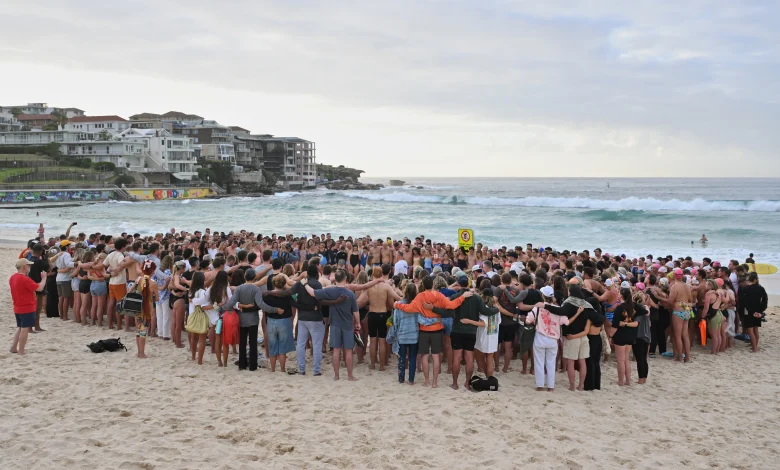
On a day meant for celebration and reflection during Hanukkah, Sydney’s Bondi Beach became the site of unimaginable horror. Two gunmen stormed a gathering, turning a peaceful event into a scene of carnage. The attack claimed the lives of 15 innocent people and left many more wounded, both physically and emotionally. Among the perpetrators was Sajid Akram, who was killed in the ensuing confrontation with law enforcement. His son, Naveed Akram, was apprehended but not before inflicting significant damage and loss. The swift response of the Australian police was crucial in containing the situation and preventing further casualties. The incident sent shockwaves throughout Australia and the international community, prompting widespread condemnation and calls for increased vigilance against extremist ideologies.
New Charges Detailed
Naveed Akram, already facing a staggering 59 counts, including murder, attempted murder, and committing a terrorist act, now has an additional 19 charges levied against him. These new charges reflect the comprehensive effort by law enforcement and prosecutors to ensure that every aspect of Akram’s alleged involvement in the massacre is accounted for and addressed within the legal framework. The specifics of these charges have not been fully disclosed to the public, owing to the ongoing legal sensitivities and the need to protect the integrity of the investigation. However, it is understood that they encompass various aspects related to the planning, execution, and aftermath of the attack. The accumulation of such a vast number of charges underscores the severity of the alleged crimes and the commitment of the Australian legal system to hold Akram accountable for his actions. The dedication of resources to this case highlights the priority placed on delivering justice to the victims and their families. This pursuit of justice aims to provide some measure of closure to a community deeply scarred by the events of that day.
Legal Proceedings and Gag Order
The legal proceedings against Naveed Akram are complex and multifaceted, involving numerous stakeholders, including prosecutors, defense attorneys, and the judiciary. The primary focus of the upcoming hearing is to address a gag order that has been put in place to protect the identities of victims and survivors who have chosen not to publicly identify themselves. This gag order is a crucial measure to safeguard the privacy and well-being of those affected by the tragedy, preventing unwanted media attention and potential harassment. Balancing the public’s right to information with the need to protect vulnerable individuals is a delicate task, requiring careful consideration of legal principles and ethical obligations. The court’s decision on the gag order will have significant implications for how the case is reported and discussed in the media, highlighting the tension between transparency and privacy in high-profile legal proceedings. The hearing itself is a procedural step in a long and arduous legal journey, with many more stages to come before the case reaches its conclusion.
Victims and Survivors
The victims and survivors of the Bondi Beach massacre represent a diverse cross-section of the community, each with their own unique stories, backgrounds, and experiences. The impact of the attack on these individuals and their families is profound and far-reaching, leaving scars that may never fully heal. Beyond the physical injuries, many survivors grapple with emotional trauma, psychological distress, and the challenges of rebuilding their lives in the aftermath of such a devastating event. The support and assistance provided to victims and survivors are critical in helping them navigate the long and difficult road to recovery. This includes access to medical care, counseling services, financial assistance, and other forms of support tailored to their specific needs. The resilience and strength displayed by the victims and survivors in the face of adversity are a testament to the human spirit’s capacity to overcome even the most daunting challenges. The community’s solidarity in standing alongside those affected by the tragedy is a powerful demonstration of compassion and empathy.
Impact on the Jewish Community
The Bondi Beach massacre has had a particularly profound impact on the Jewish community in Sydney and beyond. As the attack occurred during a Hanukkah celebration, a time of religious significance and communal gathering, it struck at the heart of the community’s sense of safety and security. The act of violence has amplified existing concerns about rising antisemitism and the vulnerability of Jewish institutions and individuals. In response to the tragedy, Jewish community leaders have called for increased security measures at synagogues, schools, and other community centers, as well as greater efforts to combat hate speech and extremist ideologies. The outpouring of support from people of all faiths and backgrounds has been a source of comfort and strength for the Jewish community, demonstrating the broad-based rejection of hatred and intolerance. The process of healing and rebuilding will be long and challenging, but the Jewish community remains resilient and determined to preserve its cultural heritage and traditions.
Islamic State Inspiration
Australian police have attributed the Bondi Beach massacre to the influence of the Islamic State group, underscoring the global reach and enduring threat posed by extremist ideologies. The radicalization of individuals who carry out such attacks is a complex process, often involving a combination of online propaganda, social isolation, and personal grievances. Understanding the factors that contribute to radicalization is essential for developing effective strategies to prevent future acts of terrorism. Law enforcement agencies and intelligence services are working to disrupt terrorist networks, counter extremist narratives, and identify individuals at risk of radicalization. Community-based programs and initiatives also play a crucial role in promoting tolerance, fostering social cohesion, and providing alternative pathways for disaffected youth. Addressing the root causes of extremism requires a multifaceted approach that encompasses law enforcement, education, social services, and community engagement.
Market Reactions: Gold vs. Oil
The tragic events in Sydney, alongside other global uncertainties, have triggered notable reactions in financial markets, particularly concerning gold and oil. These two commodities have been among the most actively traded assets in the past year, driven by factors such as inflation fears, geopolitical turmoil, and a weakening U.S. dollar. Investors often turn to gold as a safe-haven asset during times of crisis, while oil prices are highly sensitive to geopolitical instability and supply disruptions. The Bondi Beach massacre, while primarily a human tragedy, contributes to the broader sense of unease and uncertainty that can drive investors toward these commodities. Understanding the interplay between geopolitical events and market sentiment is crucial for making informed investment decisions.
Gold and Oil: A Comparative Analysis
Gold and oil, while both benefiting from similar macroeconomic conditions, possess distinct characteristics that influence their performance in the market. Gold is primarily viewed as a store of value and a hedge against inflation, with its price often rising during periods of economic uncertainty and currency devaluation. Oil, on the other hand, is primarily driven by supply and demand fundamentals, with geopolitical events and production decisions playing a significant role in price fluctuations. The relationship between gold and oil can provide valuable insights into market expectations regarding inflation, economic growth, and geopolitical risks. For example, if gold prices rise while oil prices fall, it may indicate that investors are more concerned about economic stagnation than inflationary pressures. Conversely, if both gold and oil prices rise in tandem, it could signal a combination of inflationary expectations and heightened geopolitical risks.
A summary of the factors affecting gold and oil prices is below:
| Factor | Impact on Gold | Impact on Oil |
|---|---|---|
| Inflation Fears | Positive | Positive |
| Geopolitical Chaos | Positive | Positive |
| Weakening Dollar | Positive | Positive |
| Economic Growth | Negative | Positive |
| Interest Rate Hikes | Negative | Mixed |
Geopolitical Risk Premium
The concept of a geopolitical risk premium refers to the additional return that investors demand to compensate for the perceived risks associated with political instability, armed conflicts, and other geopolitical events. This premium is reflected in the prices of various assets, including gold, oil, and stocks. The Bondi Beach massacre, while a localized event, contributes to the overall sense of geopolitical risk and uncertainty that pervades global markets. Investors may demand a higher risk premium on assets that are perceived to be vulnerable to geopolitical shocks, leading to higher prices for safe-haven assets like gold and increased volatility in oil prices. Assessing the magnitude and duration of the geopolitical risk premium is a challenging task, requiring careful analysis of political trends, economic indicators, and market sentiment. Events such as the Iran blockade can significantly impact the geopolitical landscape.
The Future Outlook
Looking ahead, the future performance of gold and oil will depend on a complex interplay of factors, including inflation expectations, geopolitical developments, and monetary policy decisions. As the global economy navigates a period of uncertainty and transition, investors will continue to closely monitor these commodities as barometers of risk and potential opportunities. The resolution of the legal proceedings against Naveed Akram and the broader efforts to address extremism and promote social cohesion will also play a role in shaping market sentiment and investor confidence. The closure of the Strait of Hormuz, for example, would have significant implications for global energy markets and geopolitical stability. The recent tensions involving Iran and the French vessel in Hormuz highlight the ongoing volatility in the region. Furthermore, the deployment of the Dark Eagle hypersonic missile to the Middle East adds another layer of complexity to the geopolitical landscape.
Conclusion
The Bondi Beach massacre and its aftermath serve as a stark reminder of the human cost of extremism and violence. As the legal proceedings against Naveed Akram unfold, the focus remains on delivering justice to the victims and survivors and preventing future tragedies. The events also underscore the interconnectedness of global events and financial markets, with geopolitical risks influencing the performance of commodities like gold and oil. Navigating this complex landscape requires careful analysis, informed decision-making, and a commitment to promoting peace, tolerance, and understanding. The ongoing tensions in Taiwan and Lebanon’s political struggles further illustrate the need for vigilance and diplomacy in addressing global challenges. Ultimately, the pursuit of a more just and peaceful world requires a collective effort from individuals, communities, and nations alike.