Majid Moghadasi: Trump’s Letter After 45,000 Protest Deaths
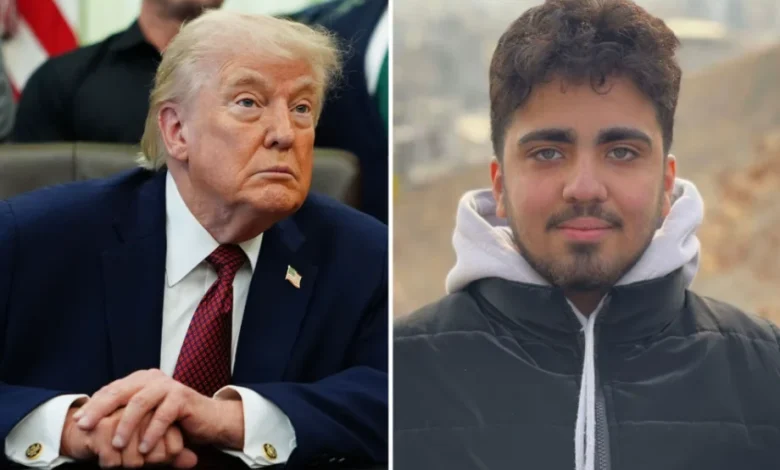
The Heartbreaking Story of Erfan and His Uncle
At the absolute core of this geopolitical earthquake is the intimate, deeply personal story of a family torn apart by unrelenting state-sponsored violence. Erfan was a bright, eighteen-year-old student whose aspirations mirrored those of millions of young Iranians. He wanted nothing more than the basic liberties enjoyed by his counterparts across the globe, dreaming of a society where free expression did not carry a lethal cost. For his uncle, Majid Moghadasi, Erfan was not just a nephew; he was a profound symbol of hope, representing the unbounded future of their family. When widespread protests erupted across the nation, driven by decades of severe socioeconomic frustration and deep political disenfranchisement, Erfan joined the massive crowds in the streets. Tragically, the state’s response to these demonstrations was swift, merciless, and overwhelmingly lethal. The sudden loss experienced by his family is immeasurable, leaving a permanent void that simply cannot be filled by time or condolences. The frantic, terrified searches in overcrowded hospitals, the intimidating silence from local authorities, and the eventual devastating confirmation of his violent death represent an agonizing, torturous process endured by tens of thousands of Iranian families. This localized sorrow effectively highlights a profound humanitarian crisis that the world largely ignored, leaving grieving relatives to mourn in isolating silence while the apparatus of the state aggressively tightened its unyielding grip on power.
The Escalation of State Violence in Recent Protests
To genuinely comprehend the sheer magnitude of the catastrophic crackdown that took young Erfan’s life, one must meticulously examine the systematic escalation of state violence. What began organically as peaceful demonstrations in major public squares rapidly devolved into a horrifying theater of unmitigated brutality. The national authorities deployed heavily armed, militarized security forces, utilizing live ammunition, weaponized tear gas, and armored vehicles directly against unarmed civilians demanding their rights. Numerous credible reports indicate that trained snipers were deliberately positioned on rooftops, intentionally targeting defenseless protesters in the head and chest to maximize fatalities. This was emphatically not standard crowd control; it was a highly coordinated, ruthless campaign of elimination meant to instill absolute terror within the general populace. The aggressive tactics marked a significant, deeply concerning turning point, demonstrating clearly the extreme lengths to which the government would go to forcibly suppress any domestic dissent. Families of the victims were aggressively threatened to remain completely silent about their losses, and courageous medical professionals treating the severely wounded faced immediate repercussions, further exacerbating the massive loss of life and showcasing a regime operating with total, terrifying impunity.
A Personal Letter from Donald Trump to the Grieving Family
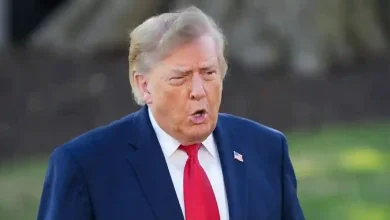
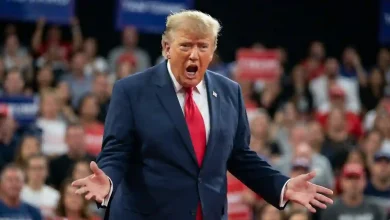
In the profound midst of this overwhelming darkness and widespread global indifference, a surprisingly unique and highly symbolic gesture emerged from the United States of America. Former President Donald Trump personally penned a direct letter to the grieving uncle, unexpectedly bridging the massive gap between high-level American political theater and the raw, unfiltered suffering of an Iranian citizen. This unprecedented piece of diplomatic correspondence was not merely a polite note of condolence; rather, it was a potent, calculated political statement broadcasted at a critical time when traditional diplomatic channels had largely abandoned the Iranian people. Trump’s letter explicitly condemned the horrific, state-sponsored violence and deeply acknowledged the ultimate, tragic sacrifice made by the young eighteen-year-old protester. For a shattered family feeling entirely abandoned by the international community, receiving formal, high-profile recognition from a prominent global political figure provided a bittersweet validation of their profound personal loss. The letter quickly became a major flashpoint in international media networks, sharply contrasting the outspoken American political rhetoric with the widespread, disturbing silence of numerous other Western nations, and it subsequently reignited intense debates regarding the overall effectiveness of direct political intervention when confronted with massive humanitarian atrocities.
The U.S. Stands With the Iranian People
The central, resonating quote from the widely circulated correspondence—”The U.S. stands with the Iranian people in their fight for freedom”—serves powerfully as both a firm moral declaration and a highly strategic geopolitical posture. By explicitly and publicly aligning the United States with the grassroots Iranian resistance movement, the underlying message completely transcends basic, conventional diplomacy. It signifies a robust, unyielding commitment to international human rights and directly challenges the fundamental legitimacy of the oppressive domestic crackdowns. This direct line of communication effectively bypassed the usual complex institutional roadblocks, securely delivering a powerful message of solidarity that resonated deeply with various dissident networks operating both inside and outside the country. It powerfully underscored a specific brand of assertive foreign policy that actively prioritizes maximum pressure on authoritarian governments while simultaneously extending rhetorical and moral support to the brave citizens actively fighting for essential democratic reform on the dangerous streets.
The Astounding Toll: 45,000 Lives Lost During the Iran Crackdown
The sheer scale of the confirmed and estimated fatalities during this turbulent period is almost incomprehensible to the modern conscience. Over 45,000 people were tragically killed in the nationwide crackdown, a devastating figure that heavily eclipses almost any modern precedent for the violent suppression of civil unrest. Entire communities and neighborhoods were effectively decimated as state security forces acted with entirely unrestrained, lethal aggression. The demographics of the fallen overwhelmingly reflect a tragic cross-section of Iranian society, heavily skewing toward the vibrant youth, university students, and historically marginalized ethnic minorities. This staggering, heartbreaking death toll is a direct, calculated consequence of a regime that is entirely desperate to maintain total control at absolutely any cost. To accurately contextualize this massive devastation, one must understand how the centralized government ruthlessly consolidated its absolute authority. As detailed extensively in international analyses of how the unprecedented hardline regime in Iran solidified power amidst global chaos, the brutal crackdown was the bloody, physical manifestation of an administration systematically eliminating any perceived threat to its core foundational ideology. The 45,000 tragically lost lives are emphatically not just numerical statistics; they are entire bright futures permanently erased to sustain an aging authoritarian status quo.
Breaking Down the Fatalities by Region
The extreme violence was not randomly or equally distributed; rather, it was strategically concentrated in specific areas known historically for strong dissident activity and among highly vulnerable, marginalized populations. The following comprehensive table provides an estimated breakdown of the catastrophic human toll across key critical provinces, darkly illuminating the widespread, systemic nature of the tragedy.
| Province | Estimated Casualties | Demographics Most Affected | Key Observations |
|---|---|---|---|
| Tehran | 12,500 | Youth, University Students | Epicenter of massive demonstrations and severe military response. |
| Khuzestan | 9,200 | Working Class, Laborers | Prolonged internet blackouts masking extraordinary, lethal violence. |
| Sistan and Baluchestan | 8,800 | Ethnic Minorities | Disproportionately high use of deadly live ammunition by forces. |
| Kurdistan | 7,400 | Youth, Political Activists | Heavy deployment of militarized armed forces in residential zones. |
| Other Regions | 7,100 | General Populace | Characterized broadly by arbitrary arrests leading to fatal outcomes. |
Why the International Community Looked Away
Perhaps the single most haunting aspect of this immense tragedy, second only to the massive, irreplaceable loss of human life itself, is the profound, disturbing apathy actively exhibited by the global community. While 45,000 bodies rapidly filled overwhelmed morgues and hastily dug mass graves, the vast majority of the world simply looked the other way. Major European nations, currently deeply entangled in their own pressing domestic economic crises and navigating highly complex regional energy dependencies, largely restricted their official responses to tepid, toothless diplomatic statements that entirely lacked any real enforcement mechanism. The United Nations, permanently constrained by chronic bureaucratic deadlock and the ever-present veto power of authoritarian allies sitting on the Security Council, predictably proved utterly impotent in passing any actionable, meaningful resolutions to halt the bloodshed. This devastating global silence was not merely passive ignorance; it was a deliberate, active choice prioritized by cold geopolitical pragmatism over the basic sanctity of human rights. The immeasurable tragedy of the Iranian people was quickly overshadowed by competing, highly publicized international conflicts, thereby allowing the ruthless perpetrators of the bloody crackdown to freely continue their campaign of terror under a convenient cloak of global invisibility, completely confident that no serious, lasting repercussions would follow their atrocious, murderous actions.
Global Silence vs. Actionable Sanctions
The stark, glaring contrast between the convenient global silence and the desperate, urgent need for actionable, punishing sanctions effectively highlighted a fundamental, fatal flaw in the modern international human rights framework. While dedicated organizations like Amnesty International courageously and tirelessly documented the severe abuses, carefully compiling irrefutable, horrific evidence of widespread crimes against humanity, global political bodies continuously hesitated to actually impose crippling economic consequences on the responsible leaders. True, meaningful accountability absolutely requires significantly more than just strongly worded condemnations issued from safe capitals; it strictly necessitates the systematic, aggressive dismantling of the financial networks that actively fund the oppressive, deadly state apparatus. When international entities finally did decide to act, the implemented measures were unfortunately often highly targeted but deeply insufficient in scope to actually halt the immediate, ongoing violence. For critical example, while the United States took decisive steps where OFAC blacklisted militia commanders who were directly responsible for localized brutality, these localized sanctions could not adequately stem the massive, structural tide of state-sponsored violence that tragically resulted in tens of thousands of deaths.
The Intersection of U.S. Politics and Iranian Resistance
The deeply emotional tragedy of Erfan and the subsequent, highly publicized correspondence from the former U.S. President abruptly thrust the plight of the Iranian resistance directly into the absolute center of American domestic political discourse. The unfolding situation brilliantly highlights a highly complex intersection where aggressive foreign policy, domestic electoral strategies, and genuine ideological support for global democratic movements powerfully collide. The personal letter served efficiently to galvanize specific, motivated political factions within the United States, effectively utilizing the clear, undeniable moral imperative of deeply supporting the besieged Iranian youth against a violently oppressive regime. It clearly demonstrated a polarizing yet undeniably highly effective method of purposefully leveraging individual, heartbreaking stories of immense suffering to forcefully justify broader, considerably more aggressive foreign policy stances on the world stage. Furthermore, as Iran defies US demands continuously on the international stage regarding its controversial nuclear ambitions and expanding regional military influence, the catastrophic domestic crackdown unfortunately provides a profound, undeniable moral justification for maintaining or significantly escalating a strict posture of maximum economic and political pressure against the isolated regime.
Future Implications for U.S.-Iran Relations
The massive diplomatic fallout resulting from this colossal, unprecedented death toll and the high-profile, direct American political response will undoubtedly shape the complex future of U.S.-Iran relations for many decades to come. Any potential future diplomatic negotiations must now directly and unavoidably confront the grim, bloody reality of these 45,000 lost lives. The regime’s terrifying willingness to ruthlessly slaughter its own citizens on such a massive, unprecedented scale fundamentally and permanently alters the basic geopolitical calculus. It inevitably becomes increasingly, overwhelmingly difficult for any modern Western democracy to successfully justify normalized diplomatic relations or provide critical economic relief when the fresh blood of so many brave young people heavily stains the city streets. The deeply personal connection firmly established between powerful U.S. political figures and the devastated families of the innocent victims firmly sets a moral precedent that absolute human rights must be an inescapable, non-negotiable prerequisite in any forthcoming international geopolitical dialogue, effectively ensuring that the heroic sacrifices of individuals like Erfan are permanently etched into the global diplomatic record.
Examining Human Rights Atrocities in Depth
Delving significantly deeper into the dark, hidden mechanics of the brutal crackdown reveals a highly chilling, extensively organized approach to committing systemic human rights atrocities. The authoritarian state did not merely react in momentary panic to the protests; instead, it meticulously executed a premeditated, lethal strategy specifically designed to violently crush domestic dissent permanently. This heavily involved the complete weaponization of the judicial system, where horrifying sham trials lasting only minutes consistently resulted in swift, brutal executions designed entirely to serve as horrific public deterrents. Furthermore, the paranoid regime heavily relied on widespread forced disappearances, advanced digital surveillance tactics, and the total manipulation of national communication networks to effectively isolate rebellious communities and completely obscure the horrifying truth from the outside world. Deep behind the staggering, unbelievable number of 45,000 dead unfortunately lies a massive, complex web of secret torture centers, systemic, horrifying sexual violence, and the targeted, relentless harassment of the mourning victims’ families. The government even desperately attempted to totally control the public narrative by orchestrating extensive state mobilization campaigns, aggressively attempting to falsely project an absolute illusion of popular support while simultaneously enacting one of the most ruthless, bloody crackdowns documented in modern global history.
The Call for True Accountability
As the political dust eventually settles and devastated families precisely like that of Majid Moghadasi continue to agonizingly grapple with an unfillable, devastating void, the overwhelming, universal demand is for true, uncompromising, structural accountability. The highly publicized letter of international solidarity, the horrifying, undeniable statistics, and the extensively documented human rights abuses must eventually culminate in tangible, undeniable global justice. Established international tribunals, robust universal jurisdiction legal cases, and relentless, loud human rights advocacy are urgently required to securely ensure that the core architects of this massive massacre do not easily escape unpunished. The 45,000 tragically lost lives absolutely must not be carelessly relegated to a minor, easily forgotten footnote in Middle Eastern history; instead, they must actively serve as the primary catalyst for a fundamental, global reevaluation of exactly how the international community responds to severe authoritarian violence. For young Erfan and the tens of thousands of brave souls who bravely perished fighting for their freedom, the world can simply no longer afford to passively look away. Their enduring legacy powerfully demands perpetual global vigilance and an unyielding, robust commitment to thoroughly dismantling the oppressive structures of absolute violence that tragically stole their bright futures.