Cuba Blackouts: Trump’s Silent Blockade Sparks Mass Protests
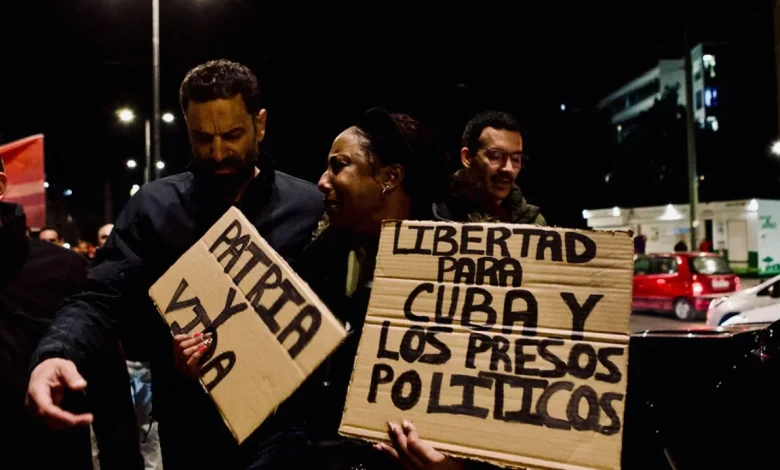
Cuba is currently enduring one of the most catastrophic socioeconomic collapses in its modern history, a crisis engineered quietly but ruthlessly by the Trump administration. While the international community remains fixated on the Middle East, a silent yet devastating blockade has brought the Caribbean nation to its knees. For over three months, not a single drop of imported oil has reached the island. The consequences have been absolute: blackouts lasting upwards of 20 hours a day, crippling infrastructure, and plunging millions of citizens into darkness, heat, and desperation. The lack of energy has paralyzed transportation, crippled agriculture, and brought medical facilities to the brink of total failure.
Cuba in Crisis: The 20-Hour Blackouts
The energy grid in Havana and the surrounding provinces has effectively collapsed. The thermoelectric power plants, reliant on crude oil imports, are offline or functioning at less than ten percent capacity. The reality on the ground is grim. Refrigerators cannot run, leading to mass food spoilage in a country already suffering from severe food insecurity. Water pumps are powerless, leaving urban centers without running water for days. The 20-hour daily blackouts have created a survival economy, where citizens spend their few hours of daylight hunting for basic necessities before the sun sets and the island goes completely dark.
The Silent Strangulation Strategy
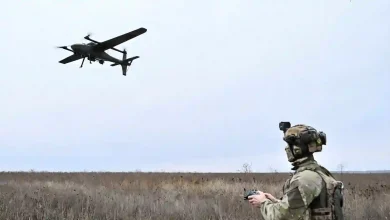
The Trump administration’s approach to Havana represents a masterclass in asymmetrical economic warfare. Unlike previous embargoes that relied on formal sanctions and international coalition-building, this “silent strangulation” strategy targets the logistical shipping lanes. By quietly threatening secondary sanctions and utilizing naval intimidation tactics against any vessel attempting to deliver Venezuelan or Russian crude oil, Washington has effectively sealed off the island’s energy supply lines. This aggressive maritime posture mirrors extreme blockade ultimatums seen in other volatile regions, paralyzing a nation without firing a single shot.
The Iran War Distraction
The timing of this blockade is no coincidence. Washington has capitalized on the global media’s absolute focus on the geopolitical shifts in Iran and the broader Middle East conflict to implement these draconian measures under the radar. While the United Nations and European allies are busy negotiating ceasefires and managing the fallout from the Persian Gulf, the Western Hemisphere is witnessing a slow-motion regime suffocation. The distraction has provided the Trump administration with carte blanche to enforce this oil embargo without facing the usual uproar from international human rights organizations or allied trading partners.
A Nation on Fire: 150 Protests This Month
Pushed beyond the limits of human endurance, the Cuban populace has risen up in an unprecedented wave of rebellion. Over 150 protests have erupted across the island this month alone. These are not the isolated, easily suppressed demonstrations of the past; they are coordinated, massive, and increasingly militant. The streets of Santiago, Camagüey, and Havana are filled with citizens demanding basic survival rights: electricity, food, and freedom. The sheer volume and intensity of these uprisings indicate a fundamental rupture between the government and the governed, as the state security apparatus struggles to maintain control over a population that feels it has nothing left to lose.
Burning the Communist Party Headquarters
The most shocking escalation occurred earlier this week when furious protesters stormed and burned down a regional Communist Party headquarters. This symbolic and literal destruction of state power represents a crossing of the Rubicon for the opposition movement. For decades, the Party headquarters stood as an untouchable monolith of authoritarian control. Seeing it engulfed in flames, broadcasted across the island via smuggled satellite feeds and localized mesh networks, has shattered the illusion of the regime’s invincibility. It sends a clear message to Havana: the social contract is entirely broken, and the state’s monopoly on power is evaporating.
Grassroots Organizing and Civilian Toll
Despite heavy internet censorship and the throttling of telecommunications, grassroots organizers are utilizing decentralized communication tools to mobilize. The civilian toll, however, is immense. Hospitals are performing surgeries using failing backup generators, and the mortality rate for vulnerable populations has quietly spiked. Human rights watchdogs, such as Amnesty International, have attempted to document the abuses, noting mass arrests and violent crackdowns by state police desperately trying to quell the nationwide unrest. Yet, the protests continue to grow, fueled by an agonizing lack of basic utilities.
Economic Desperation: Direct Access to American Companies
Faced with an existential threat to its survival, the government in Havana has made an astonishing pivot. In a desperate bid to lift the silent blockade, Cuban officials have begun offering American companies unprecedented direct access to its economy. This is a monumental shift from a regime that has historically demonized American capitalism. The offers reportedly include sweeping deregulation, direct land leases, full ownership of enterprise ventures, and tax-exempt status for U.S. corporations willing to invest heavily in the island’s failing infrastructure.
Unprecedented Capitalist Concessions
These capitalist concessions aim to bypass diplomatic channels by enticing the American private sector directly. The regime hopes that corporate lobbying in Washington will force the Trump administration’s hand. By offering up the island’s ports, agricultural sectors, and telecommunications grid to U.S. monopolies, the Communist government is essentially offering economic surrender in exchange for survival. It marks the ideological collapse of the Cuban Revolution, forced into submission not by military invasion, but by total economic isolation and energy starvation.
Washington’s Stance: Trump’s Waiting Game
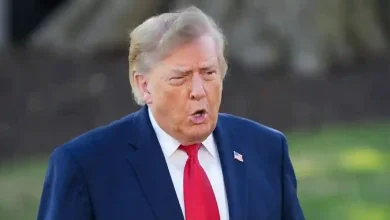
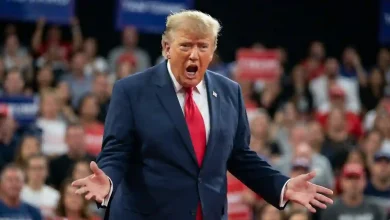
Despite these historic offers of economic capitulation, Washington’s response has been remarkably cold. The Trump administration is fully aware of the leverage it holds and appears completely uninterested in a negotiated settlement that preserves the current government’s authority. The strategy in Washington is explicitly one of maximum pressure, utilizing the crisis to accelerate the complete collapse of the regime. The administration’s unyielding posture mirrors Trump’s aggressive diplomatic threats seen on the global stage, prioritizing total victory over gradual diplomacy.
The “Honor of Taking Cuba”
The President’s public rhetoric has been shockingly blunt. In a recent press conference, when asked about the economic concessions offered by Havana, Trump dismissed the prospect of an immediate corporate deal, stating, “I do believe I’ll have the honor of taking Cuba.” This provocative statement suggests that the administration’s end goal is not merely economic integration, but comprehensive regime change and political subjugation. The phrase “taking Cuba” evokes historical imperial doctrines, signaling to the international community that the United States views the island’s collapse as an inevitable geopolitical acquisition rather than a humanitarian crisis requiring mitigation.
Geopolitical Data Analysis: Cuba’s Collapse
To fully grasp the magnitude of the ongoing crisis, one must look at the unprecedented statistics that define the current state of the island. The suddenness and severity of the blockade have created a humanitarian and infrastructural vacuum.
| Metric | Current Status (2026) | Historical Average (Pre-Blockade) |
|---|---|---|
| Oil Imports (Monthly) | 0 Barrels | 1.5 Million Barrels |
| Daily Blackout Duration | 20+ Hours | 2-4 Hours |
| Protests per Month | 150+ Recorded Events | 1-3 Isolated Events |
| U.S. Corporate Access | Direct Ownership Offered | Strictly Prohibited |
| Government Infrastructure Loss | Party HQ Burned, Multiple Offices Sacked | Intact / Highly Secured |
The data clearly illustrates an exponential deterioration of societal stability. The total cessation of oil imports over a 90-day period is an extinction-level event for the island’s centralized economy. The spike in monthly protests from a historical baseline of nearly zero to over 150 indicates that the threshold of fear that previously kept the population in check has been completely shattered.
The Future Implications for the Island
As the days turn into weeks, the window for a peaceful resolution is rapidly closing. The island is truly on its knees. The strategy of silent strangulation has proven devastatingly effective, bypassing traditional warfare to weaponize energy scarcity and economic despair. The global community’s distraction, largely driven by conflicts in the Middle East and Eastern Europe, has granted Washington the cover needed to execute this slow-motion collapse without interference.
The ultimate fate of Havana remains uncertain. Will the Communist leadership completely abdicate to prevent mass starvation, or will the island descend into a full-scale civil war? What is certain is that the geopolitical landscape of the Caribbean is being permanently rewritten. With Trump waiting for the “honor of taking” the nation, the end of the current regime seems not to be a matter of if, but when. The historical resilience of the Cuban state has finally met an insurmountable force: an empty oil reserve, a dark electrical grid, and a furiously burning populace demanding an end to an era. Washington is watching and waiting, knowing that the final act of this historic drama is playing out entirely on its terms.