Amazon 2026: New AI Search Paradigm and Delivery Revolution
Amazon 2026 Strategic Overhaul: An Unprecedented E-Commerce Shift
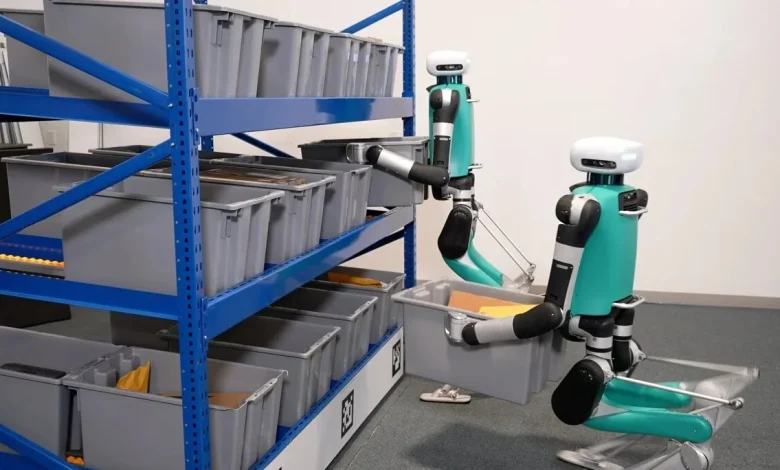
The landscape of digital retail is undergoing a seismic shift, and the corporate restructuring initiated in early 2026 positions the enterprise at the very forefront of this revolution. Moving away from traditional centralized mega-warehouses, the logistics network has been aggressively fragmented into thousands of hyper-local, automated micro-fulfillment nodes. This structural metamorphosis significantly reduces the distance between the product and the end consumer, effectively slashing delivery windows from a standard two days down to mere hours, and in some urban sectors, under thirty minutes. The operational overhaul is heavily reliant on next-generation robotics systems that seamlessly sort, pack, and dispatch inventory with near-zero human intervention, fundamentally redefining warehouse safety and operational throughput. Such sweeping changes mirror the sweeping digital platform overhaul strategies seen across top-tier digital ecosystems, indicating a broader macro-trend toward instant gratification and hyper-efficiency in the digital age.
AI-Driven Search Capabilities and Quantum Computing Integration
At the core of the 2026 consumer experience is the deployment of a radically advanced, generative AI-powered search engine integrated directly into the core marketplace. Traditional keyword-based search methodologies have been completely deprecated in favor of conversational, context-aware digital assistants capable of processing complex multimodal queries. Shoppers can now upload a video of a broken appliance, and the AI will instantly diagnose the issue, source the exact replacement part, provide an instructional repair video, and dispatch the item for same-day delivery. This quantum leap in product discovery is supported by substantial investments in quantum computing infrastructure, allowing for real-time processing of trillions of behavioral data points to predict consumer purchasing patterns with alarming accuracy. This predictive modeling ensures that inventory is proactively positioned in local fulfillment centers long before the consumer even clicks ‘buy.’
Drone Delivery Network Expansion Across Global Markets
Following years of rigorous testing, regulatory hurdles, and iterative design, the Prime Air drone delivery program has finally achieved mainstream commercial viability across North America, Europe, and key Asian markets. The new MK30-B drone fleet operates with a significantly extended range, increased payload capacity, and an acoustic signature so low it easily complies with the strictest municipal noise ordinances. These autonomous aerial vehicles navigate complex urban topography using advanced spatial computing and lidar arrays, safely depositing packages into designated delivery zones or directly onto apartment balconies. The massive scale-up of this aerial logistics network represents the largest deployment of commercial airspace automation in human history, dramatically reducing reliance on terrestrial delivery vans and fundamentally altering the visual and operational landscape of major metropolitan areas.
Sustainability and Green Logistics Milestones
Intertwined with the deployment of aerial drones is a profound commitment to environmental sustainability and green logistics. By the end of Q1 2026, the corporation announced that over 80% of its last-mile delivery fleet in urban centers had been fully electrified, utilizing bespoke electric vans co-developed with leading automotive startups. Furthermore, the company’s global data centers and fulfillment hubs are now operating on a dynamically balanced grid of renewable energy sources, including proprietary solar arrays and newly commissioned wind farms. The transition toward circular packaging—eliminating single-use plastics entirely in favor of biodegradable, plant-based materials—has set a stringent new standard for environmental corporate responsibility, pressuring competitors to urgently accelerate their own green initiatives.
Cloud Computing: AWS Dominance in the 2026 Tech Landscape
Beyond retail, Amazon Web Services (AWS) continues to be the undisputed titan of cloud computing, generating the lion’s share of the corporation’s operating profit. In 2026, AWS launched a suite of industry-specific sovereign clouds designed to comply with increasingly complex international data localization laws. These specialized cloud environments cater to defense, healthcare, and financial sectors, offering military-grade encryption and native integration of large language models. The introduction of proprietary Inferentia 4 silicon chips has drastically lowered the computational cost of training and running complex generative AI applications, democratizing access to enterprise-grade artificial intelligence for startups and legacy corporations alike.
Navigating the Competition with AI Titans
The cloud and AI sectors remain highly contested battlegrounds. AWS’s strategic deployments are a direct counter-offensive in the ongoing 2026 AI supremacy battle, wherein major tech conglomerates are fiercely vying for foundational model dominance. By vertically integrating the hardware (custom silicon), the software (Bedrock AI platform), and the distribution network (AWS infrastructure), the company has created an incredibly sticky ecosystem that makes it financially prohibitive for enterprise clients to migrate to rival cloud providers.
Retail Partnerships, Acquisitions, and Omnichannel Synergy
The boundary between digital and physical commerce has effectively dissolved as the corporation doubles down on its omnichannel retail strategy. Through a series of aggressive acquisitions and strategic partnerships, the footprint of cashier-less “Just Walk Out” technology has expanded beyond proprietary branded stores into third-party retail chains, sports stadiums, and international airports. This frictionless shopping experience is seamlessly tied into the broader Prime membership ecosystem, allowing consumers to utilize biometric authentication—such as palm-scanning—to execute transactions instantly. The integration of offline purchasing data with online browsing habits creates a unified consumer profile that is unparalleled in its depth and utility for targeted advertising.
Grocery, Fresh Produce, and Dining Sector Innovations
The grocery sector remains a critical growth vector. The revitalization of Whole Foods Market, coupled with the expansive rollout of automated Amazon Fresh locations, highlights a strategic pivot toward capturing a larger share of the recurring household budget. These developments are directly intersecting with evolving global dining trends and innovations, as the company introduces robotic prep-kitchens and hybrid dining-grocery experiences within its flagship physical locations. By streamlining the supply chain from farm directly to table, the corporation is significantly reducing food waste while simultaneously lowering the premium cost traditionally associated with organic and locally sourced produce.
Middle East Expansion and Emerging Market Dominance
Global market penetration continues unabated, with a particularly intense focus on the rapidly digitizing economies of the Middle East and North Africa (MENA). The localized strategies deployed in these regions reflect a nuanced understanding of varying cultural purchasing habits, logistics infrastructure, and regulatory frameworks. The recent rollout of the Amazon AE strategy unveiled e-commerce market innovations tailored explicitly for the unique demands of the UAE and Saudi Arabian consumer base. This includes ultra-fast luxury goods delivery, deep integration with local digital payment gateways, and localized Arabic language support powered by native generative AI models, effectively sidelining regional competitors and securing massive market share in these highly lucrative, high-growth geographies.
Financial Performance and Q1 2026 Market Outlook
The financial markets have reacted with bullish enthusiasm to these sprawling strategic initiatives. Q1 2026 earnings reports shattered Wall Street expectations, driven by resilient consumer spending, explosive growth in high-margin AWS enterprise contracts, and booming digital advertising revenues. The advertising division, in particular, has emerged as a silent powerhouse, capitalizing on the highly intent-driven nature of consumer searches within the marketplace. As a supplementary resource, industry analysts are closely monitoring these metrics, as noted in the latest technology market reports from CNBC, which highlight the unprecedented scale of capital expenditure dedicated to AI infrastructure.
To fully grasp the magnitude of the operational shifts occurring between the previous fiscal year and the current 2026 projections, the following data table outlines the key performance indicators and strategic targets:
| Strategic Metric | 2025 E-Commerce Benchmark | 2026 Projected Target | YOY Growth / Shift |
|---|---|---|---|
| Global Prime Memberships | 250 Million | 310 Million | +24% Increase |
| AWS AI Services Revenue | $35 Billion | $58 Billion | +65% Increase |
| Drone Delivery Coverage | 12 Markets | 85 Major Markets | Massive Expansion |
| Last-Mile Fleet Electrification | 45% Electrified | 82% Electrified | +37% Shift to Green |
| Average Fulfillment Speed (Urban) | 18 Hours | 4.5 Hours | 75% Time Reduction |
Key Takeaways for Global Investors
The overarching narrative for 2026 is one of aggressive consolidation and relentless innovation. By leveraging its immense capital resources, the corporation is systematically de-risking its supply chain through automation while simultaneously expanding the high-margin frontiers of cloud computing, artificial intelligence, and digital advertising. The synergistic flywheel effect—wherein retail data informs AI models, which in turn optimize logistics, which ultimately enhance the Prime consumer experience—remains the most formidable competitive moat in modern corporate history. As the year progresses, the execution of these multi-billion dollar infrastructure projects will serve as a bellwether for the health and trajectory of the broader global tech economy, solidifying the company’s position not merely as a retailer, but as the foundational operating system of modern digital commerce.