Ken Jennings’ Bold Political Statements Spark Debate After ICE Shooting in Minneapolis
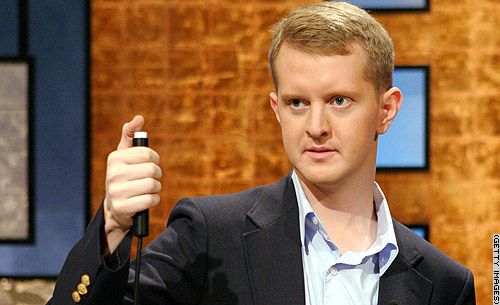
In the wake of a tragic and highly controversial incident involving U.S. Immigration and Customs Enforcement (ICE), Jeopardy! host Ken Jennings has ignited widespread discussion with his candid social media commentary. The fatal shooting of Renee Nicole Good, a 37-year-old U.S. citizen and mother of three from Minneapolis, by an ICE agent during a large-scale deportation operation has raised serious questions about immigration enforcement tactics, federal overreach, and public safety. This event, occurring on January 7, 2026, has not only sparked protests across the nation but also drawn sharp reactions from celebrities like Jennings, highlighting the intersection of entertainment, politics, and immigration policy.
As a prominent figure in pop culture with a massive following, Jennings’ outspoken views on the “Trump regime” and calls for accountability have amplified the conversation around ICE operations, border security controversies, and the human impact of aggressive deportation strategies. If you’re searching for details on “Ken Jennings political statements,” “ICE shooting Minneapolis mom,” or related topics like immigration reform debates and celebrity activism in politics, this comprehensive guide breaks down the facts, timelines, and broader implications based on verified reports, eyewitness accounts, and official statements.
What Ken Said: Breaking Down the Blunt Political Remarks
Ken Jennings, the 51-year-old Jeopardy! legend and host, turned to the social media platform Bluesky on January 7, 2026, to voice his frustration amid the unfolding news of the Minneapolis shooting. Known for his quick wit on the game show circuit, Jennings’ posts were unusually direct, reflecting deep concerns over federal immigration policies and enforcement practices under the Trump administration.
Key excerpts from his Bluesky statements include:
- “It’s been a dark week, but I just saw someone reply to an ‘Abolish ICE’ post with a scoldy Bluesky ‘Uh, try abolish DHS’ and that joy will sustain me for a little while.”
- “The ‘prosecute the former regime at every level’ candidate has my vote in 2028.”
- Sharing a post describing the incident as “Renée Good’s disgusting murder,” while adding his own critique of “armed government gangsters running wild every day.”
These remarks position Jennings as a vocal critic of what he sees as systemic overreach by ICE and the Department of Homeland Security (DHS). He also addressed online backlash by noting he had blocked and muted detractors, underscoring the polarized response to his views. While Jennings’ team has not issued further comments, his statements have resonated with advocates for immigration reform, fueling discussions on accountability in law enforcement and the role of public figures in political discourse.
This “Jeopardy host reaction” exemplifies a growing trend of celebrity political activism, where entertainers leverage platforms like Bluesky to bypass mainstream media constraints and engage directly with audiences on issues like border control controversies and federal agent accountability.
Timeline of the Shooting: From Enforcement Operation to National Outrage

The incident occurred on January 7, 2026, in a Minneapolis neighborhood with a large Somali immigrant community, during a major ICE deportation raid targeting undocumented individuals. Renee Nicole Good, a Colorado native and U.S. citizen with no prior criminal record, was driving her Honda Pilot after dropping off her 6-year-old son at school when she encountered the agents.
According to DHS officials, Good allegedly “weaponized her vehicle” by reversing into an officer and accelerating toward others, leading ICE agent Jonathan Ross to fire three shots in self-defense, striking her in the head. Video evidence shows her vehicle moving backward as agents approached, followed by forward motion and gunfire through the windshield.
However, conflicting accounts from witnesses and local leaders suggest Good was an “observer” concerned for her immigrant neighbors, not an active participant in protests. Her ex-husband confirmed she had no history of activism, and Minneapolis City Council member Jason Chavez described her as simply being in the wrong place at the wrong time. These discrepancies have prompted ongoing investigations, with bodycam and surveillance footage under review to assess claims of excessive force in immigration enforcement.
The immediate fallout included:
- A vigil that evening, disrupted when a DHS officer was filmed kicking memorial candles, escalating tensions.
- Nationwide protests by January 8, resulting in school closures in Minneapolis and Governor Tim Walz activating the National Guard.
- Related incidents in Portland, Oregon, where two protesters were shot by federal agents, leading to state-level probes.
This “ICE shooting Minneapolis” has emerged as a flashpoint in the ongoing debate over deportation tactics, with DHS reinforcing the area with 100 additional agents and classifying interference as “domestic terrorism.”
From Game Show Icon to Political Commentator: Ken Jennings’ Unexpected Stance
Jennings’ dive into this controversy represents a shift from his typically apolitical Jeopardy! persona. With over 400,000 followers across social platforms, his move to Bluesky for more unfiltered expression highlights how celebrities navigate political minefields in the era of social media activism. His critique of the “Trump regime” aligns with broader calls for reforming ICE practices, echoing sentiments from figures like Hillary Clinton, who labeled the shooting “murder.”
Media experts note that such interventions by entertainment personalities can boost public awareness of issues like federal law enforcement accountability. Conversely, conservative critics have called for boycotts of Jeopardy!, accusing Jennings of bias. This reaction ties into larger trends of partisan divides in immigration policy discussions, potentially influencing public opinion ahead of the 2026 midterms and 2028 presidential race.
The Human Cost: Remembering Renee Nicole Good Amid Immigration Tensions
Central to this story is Renee Nicole Good, whose tragic death has humanized the abstract debates over border security and deportation policies. A devoted mother and U.S. citizen, Good leaves behind three young children and a partner. Family tributes emphasize her everyday life as a caregiver, far removed from political activism.
Community responses have included a moment of silence at a Minnesota Timberwolves game and postponed events by comedian John Mulaney due to safety concerns. Protests have featured slogans like “save a life, kill an ICE,” reflecting deep-seated anger over perceived abuses in federal immigration operations. For those impacted by similar events, resources from organizations like the American Civil Liberties Union (ACLU) and local immigrant advocacy groups offer support in navigating legal and emotional challenges.
Broader Implications: Scrutinizing ICE Policies and Federal Overreach

The shooting has intensified scrutiny of ICE’s militarized approaches, particularly under the Trump administration’s emphasis on mass deportations. Critics argue that operations in residential areas endanger civilians and exacerbate community tensions, while supporters like JD Vance defend agents as protecting national security.
Key policy debates include:
- The balance between immigration enforcement and civil rights protections.
- Training protocols, amid reports of ICE collaborations with foreign militaries like the Israeli Defense Force.
- Proposals for ICE reform or abolition, as echoed in Jennings’ posts and “Abolish ICE” movements.
This “immigration agent fatality” incident (focusing on risks to agents) underscores partisan rifts: Democrats advocate for accountability measures, while Republicans reference the Insurrection Act to counter state opposition.
Political Backlash: Fueling Anti-Trump Sentiment and Calls for Change
Jennings’ pointed criticism of the “Trump regime critique” mirrors a surge in anti-administration sentiment following the event. His support for prosecuting officials resonates with those viewing current policies as authoritarian. Protests involving flag burnings and targeting figures like Kristi Noem signal widespread discontent, with businesses like a local McDonald’s even barring law enforcement in solidarity.
Analysts suggest this could reshape electoral landscapes, shifting focus from economic issues to government accountability. As partisan rhetoric heats up, figures like CNN’s Scott Jennings have blamed Democratic language for inciting vigilantism, further polarizing the immigration reform debate.
Conclusion: A Call for Reflection and Reform in Immigration Enforcement
The ICE shooting in Minneapolis and Ken Jennings’ bold political statements underscore a critical juncture in America’s immigration narrative. What began as a routine deportation operation has evolved into a national reckoning on federal power, civilian safety, and the role of public voices in driving change. As investigations unfold and protests continue, this tragedy highlights the urgent need for balanced policies that prioritize human rights alongside border security. By fostering dialogue over division, we can work toward safer communities and more accountable governance. Stay informed through reputable sources, and engage thoughtfully in discussions on these vital issues to support meaningful reform.
Frequently Asked Questions (FAQ)
What exactly did Ken Jennings say about the ICE shooting?
Ken Jennings posted on Bluesky criticizing the Trump administration, calling for prosecution of the “former regime,” and supporting “Abolish ICE” sentiments in response to the fatal shooting of Renee Nicole Good.
What happened in the ICE shooting in Minneapolis?
On January 7, 2026, ICE agent Jonathan Ross shot and killed 37-year-old Renee Nicole Good during a deportation raid. Officials claim self-defense after she allegedly drove toward agents, but witnesses dispute this, leading to protests and investigations.
Why is this incident controversial?
The shooting involves a U.S. citizen in a residential area, raising questions about excessive force, ICE tactics, and racial profiling in immigrant communities, amid broader debates on deportation policies.
Has Ken Jennings faced backlash for his statements?
Yes, some conservative viewers have called for Jeopardy! boycotts, accusing him of political bias, while supporters praise his stance on immigration reform.
What are the broader implications for U.S. immigration policy?
This event has intensified calls for ICE oversight, potential abolition, and reforms to prevent civilian casualties, influencing political discourse ahead of future elections.
Where can I find more information on similar incidents?
Check resources from the ACLU, DHS reports, or news outlets like People and The Daily Beast for updates on immigration enforcement controversies and related cases.


One Comment