Ras Laffan Blast: Qatar Gas Plant Explosion Injures 54
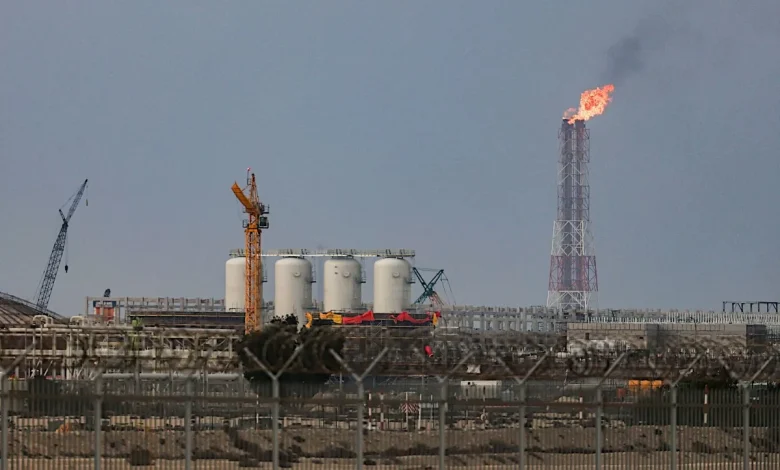
Ras Laffan blast has sent shockwaves through the global energy community, occurring late on Sunday, June 21, 2026, as workers at the facility attempted to execute a delicate restart procedure. What was initially reported as a minor operational issue was quickly revealed to be a catastrophic technical incident, plunging the world’s most critical natural gas hub into a state of severe crisis. Within hours of the initial explosion, Qatar’s Ministry of Interior confirmed a devastating human toll, announcing that at least 54 people had been severely injured and 18 workers remained missing under the rubble of the Barzan gas supply facility. The blast has not only sparked a massive humanitarian search-and-rescue operation but has also reignited profound anxieties across international energy markets that were already reeling from months of geopolitical conflict in the Persian Gulf.
The Ras Laffan Blast: An Overview of the Incident
The incident occurred on the evening of Sunday, June 21, 2026, at the Barzan gas facility, situated within the massive Ras Laffan Industrial City, roughly 80 kilometers north of the capital city, Doha. Witnesses in nearby coastal towns reported hearing a massive, echoing boom that rattled windows, followed by the appearance of a towering orange fireball that illuminated the night sky. Thick, black smoke continued to billow from the site long after the explosion. Initially, state-run media and early statements from QatarEnergy suggested a highly contained operational malfunction with negligible impacts and only a handful of minor injuries. However, the sheer scale of the structural destruction soon made such conservative estimates impossible to maintain. Hours later, a sobering update issued by the Qatari Ministry of Interior on its official channels revealed that civil defense units and specialized medical teams were treating 54 casualties, while the Qatari International Search and Rescue Group had launched an urgent search for 18 missing individuals who were on shift at the time of the blast.
Inside the Barzan Gas Supply Facility
To understand the immense gravity of the situation, one must look at the technical specifications of the Barzan gas supply facility. Boasting a massive processing capacity of approximately 1.4 billion standard cubic feet of sales gas per day, the Barzan plant is a cornerstone of Qatar’s domestic energy architecture. Unlike the region’s massive liquefaction trains designed specifically for the global export of liquefied natural gas (LNG), Barzan’s primary mission is to sustain the Qatari homeland. The pipeline gas generated by this facility is directly routed to local industrial sectors, heavy manufacturing zones, and major power generation grids. More importantly, this gas serves as the primary fuel source for Qatar’s critical water desalination complexes. On an arid peninsula where natural freshwater resources are virtually non-existent, these desalination plants are the absolute lifeline for millions of residents and agricultural operations. Structurally, the Barzan project represents a collaborative effort: while the state-run entity QatarEnergy owns nearly the entire facility, the American multinational corporation ExxonMobil holds a vital minority stake, providing technical consultation and operational support. The involvement of global energy giants underscores the advanced engineering required to run a high-pressure facility of this magnitude, making the catastrophic failure even more alarming for industry watchdogs.
The Geopolitical Backdrop: Strait of Hormuz and Iranian Tensions
The disaster at Ras Laffan did not occur in a vacuum; rather, it is deeply intertwined with a broader tapestry of regional conflict and geopolitical maneuvering that has defined the year 2026. Just months earlier, in March 2026, the Ras Laffan Industrial City was subjected to a barrage of hostile drone and missile strikes launched by Iranian-aligned forces, which caused significant physical damage and forced a temporary suspension of several processing lines. In the subsequent weeks, Iran enforced a strict naval and military chokehold on the Strait of Hormuz, the narrow and highly strategic shipping lane that serves as the sole maritime exit for energy tankers departing the Persian Gulf. Recognizing that it could not safely transport its massive liquefied natural gas cargoes to premium buyers in Europe and Asia, Qatar took the unprecedented step of shutting down a vast portion of its natural gas production. This prolonged shutdown choked off a significant percentage of the global energy supply, pushing global gas prices to historic highs. However, in recent weeks, intense diplomatic efforts facilitated by international mediators in Switzerland—including key delegations from the United States—began to yield tentative progress. As Iran slowly started to loosen its chokehold on the Strait of Hormuz in a show of good faith during permanent ceasefire negotiations, Qatar rushed to restart its idled export terminals and local production plants. It was precisely during this high-stakes operational resumption on Sunday night that the catastrophic explosion tore through the Barzan terminal.
The Technical Challenges and Risks of Restarting Terminals
Engineering experts have long warned that restarting a complex, high-pressure natural gas processing facility after an extended period of emergency shutdown or physical trauma carries immense operational risk. When a plant of Barzan’s scale is abruptly deactivated—especially after suffering physical concussions from missile attacks such as those experienced in March 2026—the integrity of the entire piping network, valves, and compression units can be compromised. Microscopic structural fractures, degraded seal rings, and thermal stress on heavy machinery are common consequences of prolonged inactivity. During the start-up phase, as super-cooled gases and high-pressure hydrocarbons are reintroduced into the system, the sudden fluctuations in temperature and pressure put extreme mechanical stress on every joint and weld. Qatar’s Ministry of Interior has officially attributed the Sunday night explosion to a “technical malfunction” during the start-up sequence. Industry analysts speculate that a catastrophic failure of a high-pressure compressor or an undetected gas leak in the processing manifold likely triggered the ignition. Although QatarEnergy has emphasized that their emergency response teams managed to bring the resulting inferno under control within hours, and that no toxic gas leaks have escaped to threaten public safety, the physical damage to the plant’s core infrastructure is expected to be extensive. Repairing these highly specialized systems requires custom-fabricated components that could take months to procure, meaning the Barzan facility is likely to remain offline for the foreseeable future.
Domestic Impact: Power Generation and Water Desalination
The immediate fallout of the Barzan explosion will be felt most acutely within Qatar’s domestic borders. Because the facility is the primary supplier of sales gas for the country’s electricity grid and desalination plants, the government in Doha is facing a severe utility crisis. If the Barzan plant remains offline, Qatar’s power generation capabilities will be dramatically reduced, raising the specter of widespread rolling blackouts during the scorching summer months when air conditioning demands reach their peak. Furthermore, any disruption to the desalination process threatens the nation’s water security. To mitigate this existential threat, QatarEnergy may be forced to divert natural gas that was originally destined for international LNG export markets and instead inject it into the domestic pipeline network. While this would safeguard domestic water and electricity supplies, it would simultaneously decrease the volume of LNG available for global export, effectively transferring Qatar’s domestic crisis onto the international stage and squeezing global supplies even further.
Global Energy Market Implications and Economic Ripples
The global energy sector reacted to the news of the explosion with immediate volatility, as traders and analysts scrambled to assess the potential spillover effects. Qatar remains one of the undisputed titans of the global liquefied natural gas trade, alongside the United States and Australia. While the Barzan facility itself is designed primarily for local consumption rather than direct export, its physical location within the broader Ras Laffan Industrial City creates an inescapable link to the global market. Ras Laffan is home to 14 massive LNG liquefaction trains that collectively process and export roughly 20 percent of the world’s total LNG supply. The proximity of the explosion to these export facilities has fueled intense speculation that shared infrastructure, pipeline corridors, or safety systems could be compromised. According to reports from Al Jazeera, the Qatari authorities have already instructed maritime vessels in the vicinity of Ras Laffan to exercise extreme caution, and some shipping schedules have been put on hold as safety inspections are carried out. Any prolonged delay in Qatar’s export recovery plans, coupled with the potential diversion of export gas to meet domestic desalination demands, means that European and Asian energy markets will face continued supply deficits. This ensures that natural gas prices will remain highly inflated, adding substantial inflationary pressure to global economies that are struggling to recover from the economic disruptions of the wartime period.
Search and Rescue Efforts: Missing Workers and Casualties
Amidst the sweeping economic and geopolitical discussions, the human tragedy unfolding at the Ras Laffan industrial site remains a critical concern. The Qatari International Search and Rescue Group, working in tandem with the country’s Civil Defence squads, has been deployed in a race against time to locate the 18 workers who remain unaccounted for. The search operation is exceptionally perilous; rescuers are forced to navigate a highly hazardous environment filled with twisted steel, collapsed concrete structures, smoldering debris, and the constant threat of secondary structural collapses or localized gas pocket ignitions. The 54 injured workers, many of whom are foreign nationals belonging to the large expatriate labor force that underpins Qatar’s industrial base, are receiving emergency medical care at specialized hospitals in Doha and Al Khor. Medical sources indicate that several of the victims have sustained critical blast-related trauma and severe thermal burns. The international diplomatic community has watched the rescue efforts with deep concern, with the Pakistani embassy in Doha issuing formal statements of solidarity and offering assistance, reflecting the high stakes for the multinational families of the affected workers.
Comparative Analysis of Qatar’s Key Energy Events
To better comprehend the trajectory of Qatar’s energy disruptions over the first half of 2026, the following table outlines the key events, their operational impacts, and the resulting market consequences:
| Event Date | Incident Type | Primary Facility Affected | Human & Operational Impact | Global Market Consequence |
|---|---|---|---|---|
| March 2026 | Hostile Drone & Missile Strikes | Ras Laffan Industrial City (Export Trains) | Significant structural damage; complete halt of export LNG production due to safety concerns. | Triggered a historic surge in global LNG futures; severe panic across European energy hubs. |
| April-May 2026 | Naval Blockade / Chokehold | Strait of Hormuz Shipping Lanes | Tankers unable to depart the Persian Gulf; physical isolation of Qatari export terminals. | Forced global buyers to seek alternative supply routes; record-high transit insurance rates. |
| June 21, 2026 | Technical Restart Explosion & Fire | Barzan Gas Supply Facility (Domestic Feed) | 54 injured, 18 missing; complete shutdown of domestic sales gas processing. | Renewed market volatility; potential diversion of export feedstocks to cover local power/water needs. |
As demonstrated by this timeline, Qatar’s energy sector has transitioned from external military threats to internal operational vulnerabilities. The cumulative effect of these compounding crises has severely degraded the nation’s reputation as the world’s most reliable and resilient supplier of liquefied natural gas, ensuring that the global energy architecture remains on a knife-edge as 2026 progresses.
Strategic Outlook: The Road Ahead for QatarEnergy
Moving forward, the recovery process for QatarEnergy and its partners, most notably ExxonMobil, will be a long and arduous journey. The immediate priority must remain the safe conclusion of search-and-rescue operations and the stabilization of the injured workforce. However, once the humanitarian crisis is managed, a rigorous, transparent, and independent investigation into the exact mechanical causes of the “technical malfunction” will be necessary to restore confidence among international investors and buyers. The Qatari government must also navigate a delicate diplomatic path. While negotiations in Switzerland regarding the permanent reopening of the Strait of Hormuz offer a glimmer of hope for geopolitical stability, this domestic industrial disaster serves as a stark reminder that regional peace alone is not enough to secure the global energy supply. Infrastructure must be physically intact and operational. Qatar will need to invest heavily in modernizing its safety systems, reinforcing its facilities against structural wear, and implementing ultra-conservative protocols for restarting high-pressure assets. Until these measures are fully realized, the shadow of the Ras Laffan industrial disaster will continue to loom large over the future of global energy markets.