The Crisis of Illegal Vaping Products: Regulatory Enforcement and Public Health Risks 2026
Table of Contents
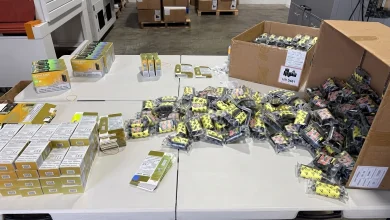
The landscape of nicotine consumption in the United States is currently marked by a high-stakes battle between federal regulators and an influx of unauthorized, disposable electronic cigarettes. Recent enforcement actions underscore the gravity of the situation, as officials prioritize the removal of unregulated products from the shelves of convenience stores and online retailers. As noted in recent reports, the significance of these investigations goes well beyond the sheer number of illegal vaping products seized. It raises serious concerns about public safety, consumer protection, and strict compliance with federal law.
Vaping :The Escalating Regulatory Crackdown
Federal agencies, including the Food and Drug Administration (FDA), have entered a new phase of aggressive oversight regarding the distribution of electronic nicotine delivery systems (ENDS). This crackdown is not merely about market competition; it is a response to the proliferation of products that bypass the stringent Premarket Tobacco Product Application (PMTA) process. When products enter the US market without this critical oversight, they potentially subject consumers to unknown chemical compositions, faulty batteries, and excessive nicotine concentrations.
Similar to the complexities found in other sectors like genomic analysis, the vaping market requires clear, transparent data to ensure consumer safety. Without verified testing, there is no guarantee that the ingredients within these devices meet safety standards.
Vaping :Public Health and Consumer Safety Concerns
The primary concern cited by enforcement officials remains the impact on public health, particularly among younger demographics. Unauthorized devices often feature flavors and marketing tactics that appeal to minors, directly contradicting the public health objectives of current legislation. Beyond the chemical content, there is the immediate risk posed by hardware failures. Cheap, non-compliant manufacturing processes increase the likelihood of lithium-ion battery defects, which have been documented to cause fire hazards in retail and residential environments.
Vaping :The Geek Bar Phenomenon
At the center of this controversy are products such as Geek Bar vapes. These devices, which have achieved massive popularity in the United States, exist in a regulatory gray zone. Despite their widespread availability, they currently lack the necessary FDA authorization required to be legally sold. The manufacturer, Guangdong Qisitech, has faced mounting pressure from international observers. When reached for comment, the manufacturer’s failure to respond to inquiries—including those from Reuters—has only served to deepen the skepticism surrounding the company’s supply chain transparency and adherence to international trade laws.
The significance of this investigation goes well beyond the number of illegal vaping products seized. It raises serious concerns about public safety, consumer protection and compliance with the law.
Navigating FDA Authorization and Compliance
Companies attempting to enter the US nicotine market must adhere to a complex matrix of regulatory requirements. The failure to obtain FDA authorization is not merely a bureaucratic hurdle; it is a fundamental safety barrier. Brands that bypass these rules operate outside the reach of the law, making it nearly impossible for consumers to verify the quality of what they are consuming. This mirrors the volatility seen in other industries where settlements and legal scrutiny define the future of corporate responsibility and consumer trust.
Future Implications for the Industry
The current enforcement wave serves as a warning to retailers and distributors. As authorities increase the frequency of raids and product seizures, the business model for selling unauthorized vaping devices is becoming increasingly untenable. Retailers caught stocking non-compliant goods face heavy fines and potential loss of business licenses. Moreover, the broader crackdown may lead to a more consolidated market where only companies that invest in rigorous testing and regulatory approval can survive. As seen in the evolving landscape of software and AI technologies, industries that fail to self-regulate or adhere to legal standards often invite heavy-handed intervention from government oversight bodies, permanently altering their operational structures.
| Factor | Regulatory Expectation | Current Market Reality |
|---|---|---|
| FDA Authorization | Required for legal sale | Often bypassed by foreign manufacturers |
| Product Testing | Mandatory for PMTA | Minimal or non-existent in unauthorized goods |
| Market Oversight | Strict federal enforcement | Reactive, seizure-based enforcement |
Ultimately, the objective of these investigations is the restoration of public order in the marketplace. By prioritizing compliance over profit, regulators aim to eliminate the risks posed by illicit vaping products, ensuring that the health of the consumer is never treated as an afterthought in the pursuit of market dominance.