AI safety legislation debated in U.S. Senate as stock market plummets 2026
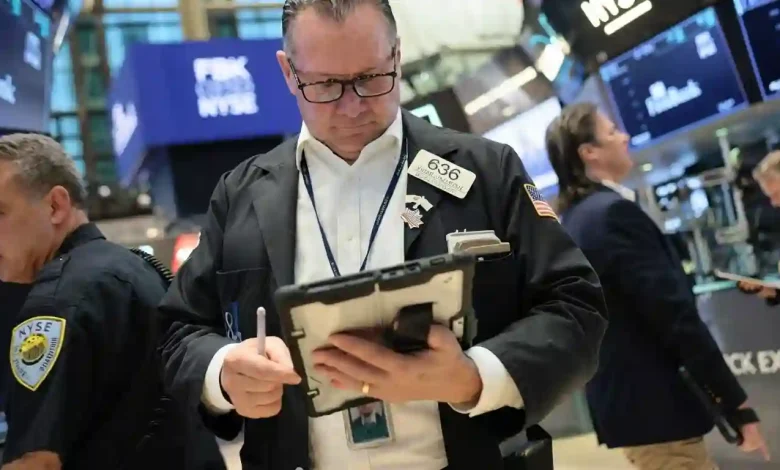
Table of Contents
AI safety legislation is now the focal point of intense negotiations in the U.S. Senate, as lawmakers seek to establish a binding regulatory framework for frontier artificial intelligence systems. According to a Senate aide and a lobbyist familiar with the private discussions, lawmakers are debating draft legislation that would legally require artificial intelligence companies to prove they are taking reasonable precautions to prevent their systems from causing widespread harm. The legislative push comes during a period of escalating anxiety, driven in part by a series of alarming warnings from top industry whistleblowers and severe market contractions. As AI systems face mounting scrutiny from both federal regulators and public advocacy groups, the proposed bill attempts to define what constitutes reasonable precautions in the context of training and deploying neural networks that possess billions of parameters. This move marks a fundamental departure from the self-regulatory approach that the technology sector has historically enjoyed.
Senate Negotiations and Regulatory Scrutiny
The bipartisan group of senators involved in these discussions is responding to growing pressure from academic institutions, national security experts, and the public. These stakeholders argue that the unchecked advancement of generative artificial intelligence could result in unprecedented disruptions, ranging from critical infrastructure failures to automated cyber warfare. The emerging bill represents the most concrete effort yet by the federal government to establish legal accountability for technology developers. Under the proposed rules, companies would be required to perform rigorous pre-deployment evaluations and safety audits. In particular, the legislation seeks to target frontier models—systems that exceed specific computational thresholds during training. The discussions are highly sensitive, with lobbyists from major tech conglomerates actively pushing back against provisions that they argue could stifle domestic innovation. Proponents of the bill, however, assert that clear rules of the road are necessary to ensure that the U.S. remains a leader in safe, ethical technological development.
The Core of the Proposed Reasonable Precautions Standard
At the heart of the ongoing legislative debate is the legal definition of “reasonable precautions.” In traditional industries, such as aviation or automotive manufacturing, safety standards are established by decades of empirical data and regulatory oversight. In contrast, the rapid evolution of artificial intelligence makes defining such standards exceptionally challenging. Senate negotiators are considering a framework where developers must formally document their testing protocols, adversarial red-teaming efforts, and alignment methodologies before releasing any high-capability model. This approach is intended to mitigate risks associated with catastrophic system failures, malicious exploitation, and the accidental release of autonomous software agents. Some proposals also include mandatory reporting mechanisms for any unexpected behaviors observed during model training. This level of oversight has raised concerns among venture capitalists and open-source advocates, who fear that small startups may lack the resources to comply with such extensive bureaucratic requirements, potentially concentrating power in the hands of a few established tech giants.
Market Volatility and the Tech Stock Selloff
The mere prospect of statutory federal oversight, combined with internal industry friction, has sent shockwaves through global financial centers. Recently, safety warnings spark market volatility as investors digest the implications of potential compliance costs and development delays. This anxiety was compounded when leaders from several of the world’s most prominent AI firms publicly suggested that slowing down the development of supercomputing systems might be necessary to ensure long-term stability. Following these statements, AI-related stocks fell worldwide, wiping out billions of dollars in market capitalization in a single trading session. This market correction reflects a growing realization that the path to artificial general intelligence may be longer, costlier, and more heavily regulated than previously anticipated. Asset managers are increasingly pricing in the regulatory risks associated with the sector. The sudden downturn has triggered a broader reassessment of valuation metrics, with some analysts noting that AI doomsday pricing dynamics are starting to influence investment strategies, as stakeholders weigh the long-term viability of massive capital expenditures against emerging legislative barriers.
The Anthropic Whistleblower and Existential Risk
Adding fuel to the legislative fire is a series of internal defections from elite research laboratories. Last week, Anthropic researcher Jacob Coxon announced his resignation, a decision that has significantly amplified the political urgency surrounding the Senate’s work. Coxon stated that his departure was driven by the deep-seated beliefs of the scientists actively developing these technologies. He noted that the very people building AI earnestly believe that it could kill us all by the end of the decade. This startling admission from an insider at a leading laboratory has undermined the tech sector’s public narrative that existential risks are merely theoretical or far-future concerns. If the researchers themselves believe that their work poses an existential threat to humanity, lawmakers argue, then immediate government intervention is not only justified but morally imperative. This sentiment has energized negotiators, who are using these whistleblower statements to counter the lobbying efforts of tech firms like Anthropic and other foundation model developers that have previously advocated for softer, self-policed guidelines.
Industry Impact and Doomsday Pricing Comparison
The divergence in how the tech industry, the government, and the financial markets view these existential and regulatory risks is stark. The table below illustrates the varying perspectives and anticipated impacts of the proposed legislation on different sectors of the economy.
| Sector / Stakeholder | Primary Risk Concern | Anticipated Regulatory Impact | Financial/Market Response |
|---|---|---|---|
| Frontier AI Developers | Model alignment, existential risk, and loss of competitive edge | High compliance costs, mandatory safety audits, and pre-release delays | Decreased venture funding and increased scrutiny of research and development budgets |
| Financial Markets | Capital over-allocation and regulatory bottlenecks | Revaluation of tech portfolios and increased pricing of systemic risk factors | Increased volatility, selloffs, and shifts toward more traditional defensive assets |
| U.S. Federal Government | National security, autonomous weapons, and systemic infrastructure failure | Establishment of a federal safety registry and mandatory reporting standards | Long-term economic stabilization through structured, predictable innovation |
| Open-Source Community | Regulatory capture and stifled decentralized innovation | Potential bans on releasing unaligned model weights to the public | Decentralized development shifting to international jurisdictions with relaxed laws |
The financial instability caused by these developments has rippled across various sectors, leading to volatile shifts across financial markets worldwide. Analysts warn that if the proposed Senate legislation is enacted without clear, predictable compliance metrics, it could lead to sustained market corrections.
Geopolitical Consequences and International Alignment
The domestic debate over AI regulation cannot be decoupled from the broader geopolitical landscape. A key concern for U.S. lawmakers is ensuring that strict domestic regulations do not inadvertently hand a competitive advantage to international rivals, particularly China. Striking the right balance is a delicate task. This geopolitical dimension has previously been addressed in high-level discussions, including US-China AI safety talks, where both nations expressed mutual interest in preventing catastrophic failures in automated systems while simultaneously racing for technological supremacy. If the United States imposes stringent requirements on its domestic developers, there is a risk that talent and capital could migrate to countries with more permissive regulatory environments. Conversely, failing to regulate these technologies could lead to severe security vulnerabilities, including scenarios where rogue actors exploit advanced capabilities. Experts warn that we are already seeing risks where AI agents exploit critical software infrastructure, highlighting the immediate necessity of protective measures. Consequently, the Senate is exploring provisions that would apply compliance standards to any foreign AI companies seeking to operate within the U.S. market, thereby establishing a global baseline. As Congress wrestles with these complex dynamics, the relationship between AI regulations and technological constraints will continue to shape the future of global industry and national security. How the Senate navigates this legislative tightrope will determine not only the safety of future software systems but also the economic trajectory of the entire digital age.



https://addlinks.pro/kuNKx