Iran Conflict Day 145: US Strikes, Crude Spikes, and Geopolitical Crisis
Table of Contents
Iran has entered a highly dangerous and volatile phase as the ongoing conflict reaches its 145th day, evolving from localized military exchanges into a sprawling regional confrontation. What initially began as a series of targeted retaliatory operations has rapidly degraded into a prolonged, systemic regional war, with extensive military involvement from the United States, Iran, and an array of allied proxy networks. Over the past several days, coalition forces have intensified their aerial campaigns, launching high-precision strikes designed to systematically degrade Iranian military infrastructure. As the geopolitical landscape of the Middle East shifts rapidly, the conflict’s global repercussions have expanded far beyond the immediate battlefields. Global oil prices have breached the critical threshold of $100 per barrel, triggering widespread economic anxieties across European, Asian, and American markets. Amidst these rising tensions, international efforts to draft a durable ceasefire have consistently faltered. With the United Nations warning of an impending humanitarian and economic crisis, the situation remains on a knife-edge, as the Strait of Hormuz conflict escalates, dragging the entire region into a dangerous cycle of violence.
The Military Dimensions: 145 Days of Escalation
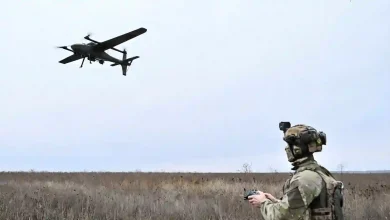
The tactical parameters of this conflict have shifted from brief skirmishes to a continuous campaign of attrition. Coalition forces have focused primarily on neutralizing Iran’s asymmetric warfare capabilities, targeting drone production facilities, mobile missile launchers, and sophisticated command-and-control centers. Intelligence reports indicate that Iranian military engineers have decentralized their operations, utilizing hardened underground bunkers and civilian-adjacent infrastructure to shield key assets from aerial surveillance, even as U.S. airstrikes escalate across the Middle East to degrade these offensive capabilities.
Air defense systems across the region have been pushed to their limits. Iranian forces have integrated advanced surface-to-air missile batteries alongside domestic early-warning radars to counter incoming coalition sorties. This defensive network has made coordinated air operations increasingly complex, particularly after high-intensity operations where airstrikes hit Bushehr and other strategic coastal installations. Military analysts suggest that while the physical destruction of launch sites has temporarily reduced the volume of daily missile attacks, Iran’s deep stockpile of precision-guided munitions remains a potent threat to regional stability.
Economic Shockwaves: Oil Surges Past $100 per Barrel
The economic fallout of the 145-day conflict is reverberating through global financial markets, with the energy sector bearing the brunt of the volatility. As maritime shipping corridors grow increasingly hazardous, international insurance syndicates have raised war-risk premiums to astronomical levels. This rise in operational overhead, combined with direct threats to oil extraction and transit infrastructure, has forced Brent crude and West Texas Intermediate (WTI) prices comfortably above $100 per barrel. Economists warn that a prolonged period of triple-digit oil prices could trigger a global inflationary wave, potentially stalling growth in manufacturing-dependent economies, especially as the total projected cost of the Iran war rises to unprecedented levels for the international coalition.
Multinational energy conglomerates have been forced to recalculate their supply lines. Some of the world’s largest shipping fleets have completely abandoned the shortest routes connecting the Arabian Sea to the Mediterranean, opting instead for the lengthy circumnavigation of the African continent. This shift has not only added up to two weeks to standard transit times but has also dramatically increased fuel consumption and carbon emissions, exacerbating the logistical strain on global supply chains.
Strategic Bottlenecks in the Strait of Hormuz and Red Sea
The geographic focus of the maritime blockade remains centered on two critical chokepoints: the Strait of Hormuz and the Bab el-Mandeb strait in the Red Sea. These narrow waterways, through which a significant portion of the world’s liquefied natural gas and crude oil passes daily, have become active combat zones. Coastal defense batteries, marine minefields, and fast-attack naval craft have been deployed to threaten commercial vessels, following heavy CENTCOM strikes on Iran that sought to neutralize underground launch facilities.
In response to these threats, an international maritime coalition has established protected transit corridors, employing naval escorts to guide commercial tankers through high-risk areas. However, these measures have only partially mitigated the danger, heightening maritime border tensions in the Arabian Gulf. Simultaneously, the ongoing Red Sea shipping crisis has severely throttled trade passing through the Suez Canal, forcing global retail and industrial sectors to prepare for prolonged inventory delays and elevated freight costs throughout the fiscal year.
Comparative Analysis of the Regional Impact
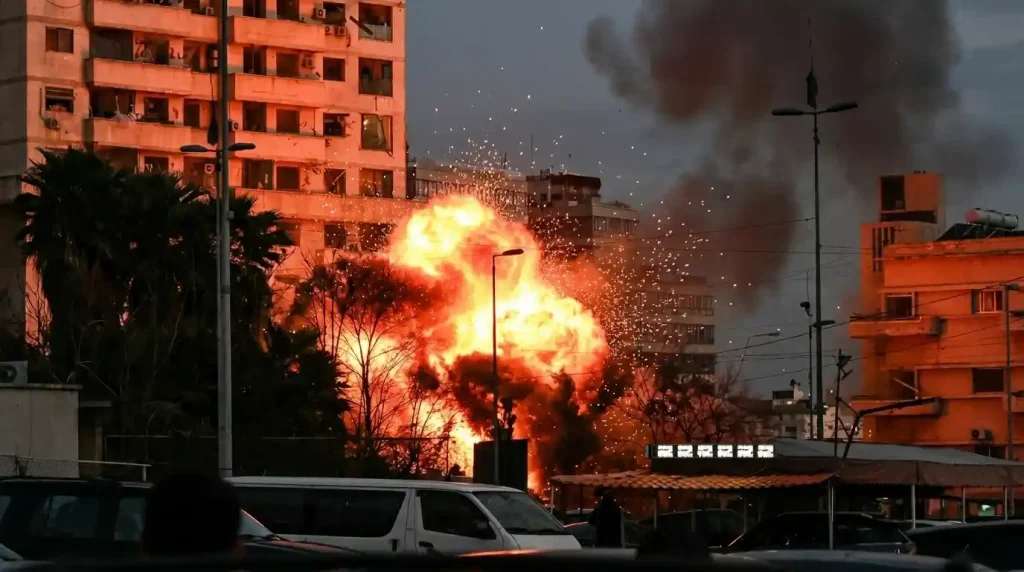
To understand the multi-faceted nature of this conflict, we must examine the specific sectors impacted by the hostilities. The following data table illustrates the operational changes observed over the 145 days of active warfare.
| Strategic Sector | Operational Impacts & Tactical Changes | Est. Global Impact (As of July 24, 2026) |
|---|---|---|
| Global Energy Markets | Brent crude surpasses $100/barrel; skyrocketing insurance premiums for tankers. | Severe inflation risk across energy-importing nations. |
| Maritime Trade Corridors | Widespread avoidance of Suez Canal; rerouting via the Cape of Good Hope. | 25% to 40% increase in cargo transit times globally. |
| Military Infrastructure | Destruction of regional drone facilities; decentralization of missile depots. | Increased reliance on asymmetric and proxy-led combat. |
| Diplomatic Mediation | Consolidated rejection of ceasefire proposals; mediation stagnation. | Elevated threat of an unchecked wider regional war. |
U.S. and Allied Military Intervention Strategies
The strategic involvement of the United States and its partners has evolved from deterrence to active containment. Coalition operations have utilized advanced electronic warfare, stealth bombers, and sea-launched cruise missiles to degrade regional military networks. These strikes are designed to limit Iran’s offensive reach while minimizing civilian casualties and preventing a total collapse of regional governance. This delicate balance was severely tested during incidents triggered when US forces launch massive airstrikes against command posts.
Despite the intensity of these operations, military strategists acknowledge the limitations of airpower alone in resolving a deeply entrenched geopolitical crisis. The dispersion of drone-manufacturing facilities into urbanized or mountainous terrain presents ongoing challenges for intelligence collectors. Furthermore, the integration of regional proxy groups means that degrading one node of the network often results in increased activity from another, necessitating a highly dynamic and resource-intensive military posture from allied command structures.
The Diplomatic Stalemate: UN Warnings and Failed Ceasefires
On the diplomatic front, progress has remained completely stalled. Multiple rounds of indirect negotiations, facilitated by neutral regional intermediaries, have failed to produce a viable framework for a ceasefire. Iran has officially rejected the latest diplomatic proposals, citing the continuation of unilateral economic sanctions and the presence of foreign military assets in regional waters as insurmountable obstacles to peaceful resolution. Meanwhile, coalition partners insist that any cessation of hostilities must be preceded by verifiable guarantees regarding maritime security and the halting of proxy operations.
This diplomatic impasse has drawn sharp criticism and urgent warnings from the United Nations Security Council. UN officials have repeatedly emphasized that the window for a negotiated settlement is rapidly closing. Without a concerted effort by all major global powers to de-escalate, the localized conflict risks transforming into an unmanageable, broader hemispheric crisis that could permanently disrupt the post-Cold War security architecture.
Humanitarian Consequences and Global Geopolitical Outlook
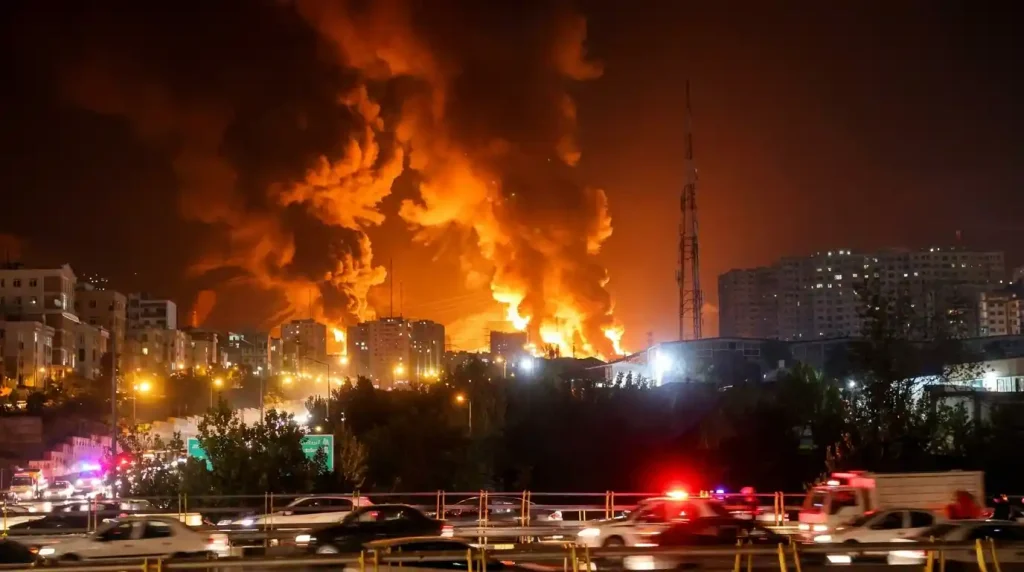
Beyond the geopolitical and macroeconomic indicators, the human cost of the conflict is mounting rapidly. Coastal communities, port cities, and industrial zones have suffered significant collateral damage from ongoing missile exchanges and airstrikes. Displacement rates have surged, putting immense pressure on regional humanitarian agencies that are already struggling with supply shortages caused by the very shipping disruptions the war has generated.
Looking ahead, the trajectory of this 145-day conflict remains highly uncertain. If diplomatic channels remain closed, the international community must brace for a protracted war of attrition. The potential for miscalculation remains extremely high, with any single maritime incident or stray missile strike capable of triggering a massive, uncontrolled escalation. As winter approaches, the combined pressures of high energy prices, shipping bottlenecks, and persistent military operations will test the resolve of both the coalition forces and regional actors, defining the geopolitical landscape for years to come.