Bab el-Mandeb gateway threatened as Houthis blockade Saudi Arabia 2026
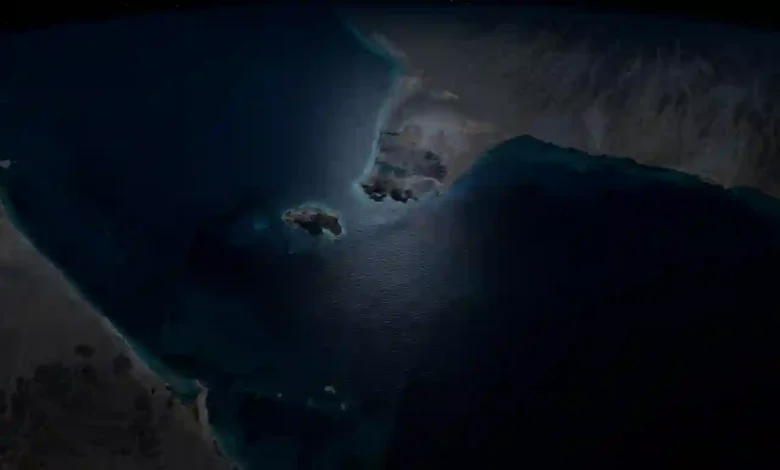
Table of Contents
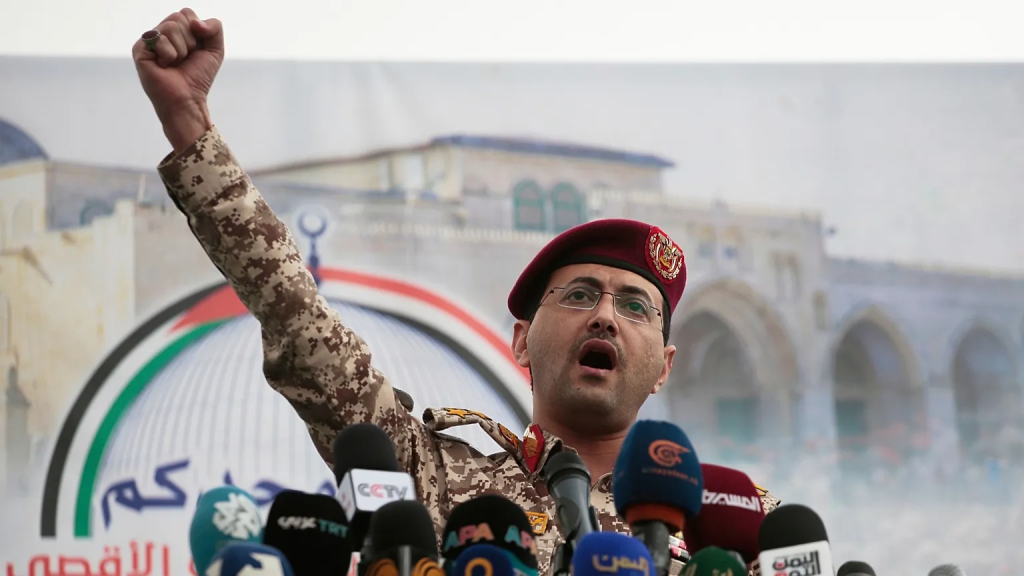
Bab el-Mandeb gateway tensions have reached a critical flashpoint on July 20, 2026, as Yemen’s Iran-aligned Houthis announced a sweeping maritime embargo against Saudi Arabia. This aggressive maneuver effectively opens a volatile new front in the broader US-Iran war and significantly escalates threats to global energy supplies and trade routes beyond the Persian Gulf. According to official statements from the Houthis’ armed forces, the group is declaring a naval blockade against what they termed the ‘criminal Saudi enemy’, citing the geopolitical equation of ‘an eye for an eye’. The rebel administration specified that this embargo takes effect immediately, framing it as a direct retaliatory strike against an ‘unjust and oppressive siege’ imposed on Yemen by Saudi Arabia over the last decade. This sudden shift in maritime security has triggered immediate concern among global commodity traders, who are closely watching how the Iran-US conflict will evolve as shipping lanes are choked off.
Bab el-Mandeb :Immediate Impact of the Blockade
The immediate trigger for this fresh escalation between Saudi Arabia and the Houthis dates back to earlier in the week when Riyadh conducted military strikes on the Houthi-controlled Sanaa International Airport. In swift retaliation, the Houthis targeted a critical regional airport in southern Saudi Arabia, effectively breaking the fragile peace that had held since the 2022 UN-brokered truce. This rapid exchange of fire marked the end of the relative calm between the two neighbors and set the stage for the naval blockade. By framing the blockade as a direct response to the decade-long Saudi siege, the Houthis are leveraging domestic public sentiment to justify a highly aggressive maritime strategy that impacts the entire globe.
Bab el-Mandeb :The Geopolitical Calculus: Iran, the Houthis, and Saudi Arabia
The geopolitical backdrop of this naval blockade is deeply rooted in high-stakes regional coordination. Security analysts report that Tehran had been actively pressing the Houthis to close the strategic Bab el-Mandeb gateway to the Red Sea if the United States continued its relentless targeting of Iranian power infrastructure. This comes amid a sequence of devastating Western operations, including a series of intense airstrikes against Iran that have targeted Tehran’s key state facilities and electricity grids. By leveraging its Yemeni allies, Iran is demonstrating its ability to wage asymmetric warfare, transforming localized strikes into a global economic crisis. The threat to Bab el-Mandeb serves as a clear warning that if Western coalition forces continue their campaign, the primary shipping arteries of the global economy will suffer irreversible damage.
Bab el-Mandeb :Evaluating the Economic Consequences: The 7% Oil Supply Chokepoint
The economic ramifications of a full, sustained closure of the Bab el-Mandeb strait are staggering. Industry assessments reveal that a total blockade of this narrow channel would immediately cut global oil supply by approximately 7%, primarily by trapping Saudi Arabia’s vast crude exports within the Red Sea. This critical chokepoint normally accommodates roughly 12% of all global maritime trade, serving as the essential southern gateway to the Suez Canal. For Saudi Arabia, the stakes could not be higher. Having previously sought shelter from the volatile Strait of Hormuz conflict by diverting its output, Riyadh now finds its secondary export corridor directly in the crosshairs of Houthi missile and drone batteries. This dual-threat scenario effectively isolates the Arabian Peninsula, trapping resources and forcing international markets to recalibrate their supply chains at immense cost.
This new maritime emergency significantly compounds the existing global supply strain. Analysts estimate that the disruption at Bab el-Mandeb would add to the massive cut to global oil flows stemming from the ongoing hostilities in the Gulf, which has already choked off shipments equivalent to 10% of total world oil supply. With both of the Middle East’s primary oil shipping arteries heavily disrupted, energy markets are preparing for an unprecedented supply shock. This dual-chokepoint crisis represents a worst-case scenario for energy security, raising concerns about a prolonged global economic slowdown and soaring fuel prices across Western and Asian nations alike.
Bab el-Mandeb :Saudi Arabia’s Vulnerability and Red Sea Alternatives
To understand the depth of Saudi Arabia’s vulnerability, one must examine its logistical adjustments over the last few months of the conflict. In response to regional instability, Riyadh diverted over 70% of its normal daily crude exports through its East-West Pipeline (Petroline) to the Red Sea port of Yanbu. This pipeline was designed specifically to bypass the dangerous waters of the Persian Gulf. However, the Houthi declaration of a maritime blockade on shipping lanes in the Red Sea completely neutralizes this alternative. If Saudi tankers cannot safely navigate past the Bab el-Mandeb strait to access international markets, millions of barrels of oil per day will remain bottled up at the Yanbu terminal, leaving the kingdom’s energy infrastructure effectively paralyzed. The failure of this strategic bypass highlights how easily proxy forces can disrupt long-planned state-level contingency measures.
The Gulf of Aden and Strait of Hormuz Complications
The geographical bottleneck of the Gulf of Aden and the southern Red Sea is notoriously difficult to police. Unlike the open ocean, the Bab el-Mandeb strait is only 32 kilometers wide at its narrowest point, split into two channels by Perim Island. This tight geography allows shore-based assets, such as mobile missile launchers and radar installations, to dominate the water space. When combined with the ongoing disruption in the Strait of Hormuz, global maritime security faces an existential crisis. Standard merchant shipping must now choose between navigating high-risk war zones or embarking on a lengthy detour around the Cape of Good Hope, which adds 10 to 14 days to journeys and inflates transportation costs exponentially.
Military Dimensions and Tactical Capabilities of the Houthi Forces
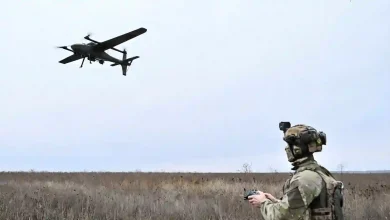
From a military perspective, the Houthis possess a formidable array of anti-ship technologies designed to enforce their blockade. Intelligence reports suggest the group has amassed anti-ship ballistic missiles, land-attack cruise missiles, explosive uncrewed surface vessels (USVs), and underwater sea mines. These tactical capabilities were demonstrated previously during their prolonged campaign of targeting merchant ships during the Gaza crisis. Backed by Iranian technical expertise and real-time surveillance, the Houthi rebels can easily threaten shipping transit through the 32-kilometer-wide Bab el-Mandeb strait. This tactical shift is a direct response to the seventh night of U.S. airstrikes, which has pushed regional actors to deploy their most disruptive asymmetric assets.
The Broader Conflict: From Air Warfare to Maritime Embargoes
This escalation occurs within a wider geopolitical landscape. Since the outbreak of hostilities on February 28, 2026, the entire region has been plunged into chaos, as detailed in reports analyzing the geopolitical landscape of the war. The sudden Houthi action indicates that localized conflicts are no longer isolated events; rather, they are highly coordinated elements of a regional confrontation. As the escalation of regional airstrikes continues to destroy infrastructure on both sides, the Bab el-Mandeb gateway has become the ultimate leverage point for regional actors seeking to force a cessation of Western military operations. The inability of allied air forces to completely neutralize these mobile launch sites despite continuous campaigns highlights the extreme difficulty of asymmetric coastal defense warfare.
Diplomatic Initiatives and the Fragile Search for a Ceasefire
Despite the aggressive rhetoric and military posturing, there are parallel efforts to defuse the crisis diplomatically. On Monday, Reuters reported on Monday that a senior Iranian official confirmed Tehran had received a proposal from mediators for a 10-day ceasefire. This diplomatic push is intended to salvage a fragile interim agreement that was signed last month but has since been pushed to the brink of collapse by the ongoing Iran war. While crude prices briefly spiked above ninety dollars a barrel following the Houthi blockade announcement, they subsequently pared gains as market participants clung to hopes that back-channel diplomacy between Washington, Riyadh, and Tehran might yield a temporary truce. The duality of explosive military escalation alongside urgent, back-room diplomatic meetings underscores the volatile transition period of this regional conflict.
Comparing the Two Major Maritime Chokepoints
| Feature / Metric | Strait of Hormuz | Bab el-Mandeb Gateway |
|---|---|---|
| Geographic Location | Between Oman/Iran (Persian Gulf) | Between Yemen/Djibouti (Red Sea) |
| Global Oil Traffic | ~20-21 million barrels per day (~20%) | ~6.2 million barrels per day (~7%) |
| Current Supply Cut Impact | ~10% of global supply already reduced | Threatens an additional 7% global supply |
| Primary Regional Threat | Direct Iranian Navy & IRGC operations | Houthi missile, drone, and mine warfare |
| Primary Alternative Route | East-West Pipeline (Petroline) to Red Sea | Cape of Good Hope detour (adds 10-14 days) |
Conclusion: Navigating an Unprecedented Energy Crisis
The maritime blockade declared by the Houthis on Saudi Arabia marks a severe escalation in the battle for control over global trade arteries. By shutting down the Bab el-Mandeb gateway, the rebels, supported by Iranian strategic pressure, have successfully expanded the conflict from the Persian Gulf to the Red Sea. For global markets, this represents a double-chokepoint crisis that threatens to cripple supply chains, skyrocket shipping insurance premiums, and fundamentally disrupt the distribution of Middle Eastern oil. As back-channel diplomacy struggles to secure a 10-day ceasefire, the world remains on a knife-edge. The ability of asymmetric forces to project power over such vital choke points reveals a systemic vulnerability in the globalized economy, one that will likely require a fundamental realignment of international energy security strategies in the years to come.