Iran World Cup Visas Approved Amid Geopolitical Tensions
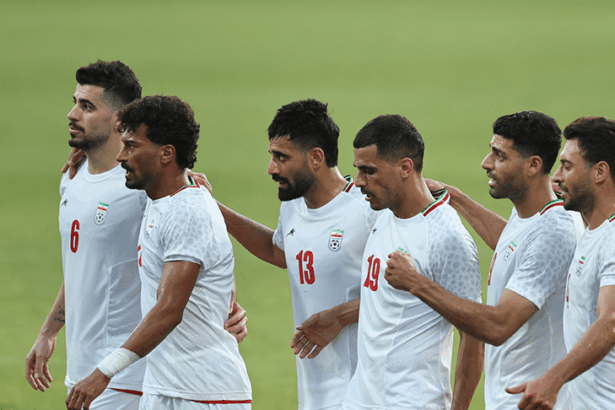
Iran has navigated a turbulent path to the 2026 FIFA World Cup, with geopolitical friction overshadowing athletic preparations as Team Melli prepares for group-stage fixtures. In a dramatic development highlighting how international sports remain deeply entangled in global diplomacy, the United States government has approved visas for the Iranian national football team after weeks of intense scrutiny and logistical relocations. This resolution comes on the heels of the team moving its training base from Tucson, Arizona, to Tijuana, Mexico—a decision forced by severe visa processing delays, security concerns, and mounting tensions in the Middle East.
The Intersection of Geopolitics and Global Sport
The saga of Team Melli’s road to the 2026 FIFA World Cup is a stark reminder of how geopolitical rivalries can directly disrupt global sporting events. For months, the team’s participation was shrouded in uncertainty, acting as a proxy battlefield for the deeply fractured diplomatic ties between Washington, Tehran, and Jerusalem. While the Olympic Charter and FIFA guidelines heavily stress the separation of sports and politics, the reality on the ground often tells a very different story.
Since the initial designation of the United States, Canada, and Mexico as co-hosts of the tournament, the inclusion of the Iranian team posed a major diplomatic and security challenge. United States foreign policy, particularly concerning travel restrictions and intense vetting of Iranian nationals, collided head-on with FIFA’s mandate that host nations must guarantee entry to all qualified squads. This forced a delicate diplomatic dance behind closed doors as officials from multiple nations tried to balance national security requirements with their international commitments as World Cup hosts.
Tensions Peak Amid Conflict in the Middle East
The geopolitical backdrop of this crisis is rooted in the escalating conflict involving Iran, Israel, and the United States. Hostilities in the Middle East reached a tipping point in late 2025 and early 2026, leading to increased U.S. sanctions and direct security warnings. In March 2026, political rhetoric flared when former President Donald Trump actively discouraged Iran’s participation in the tournament, raising the stakes even further for the athletic delegation.
This heightened threat environment heightened security protocols around Iranian nationals traveling to North America. As U.S. agencies intensified their surveillance and intelligence operations, athletic delegations were scrutinized not merely as sports teams, but as potential avenues for espionage or political posturing. The friction ultimately forced both sports administrators and state diplomats to rethink the safety and feasibility of hosting the Iranian team on American soil for an extended training camp.
Relocation of the Base Camp: Tucson to Tijuana
Originally, the Iranian Football Federation (FFIRI) had selected Tucson, Arizona, as their primary World Cup training base. The team was scheduled to train at the Kino Sports Complex, a state-of-the-art facility offering the ideal climate and altitude to prepare for their upcoming matches. However, as visa delays dragged on and security warnings escalated, it became clear that holding a prolonged training camp in Arizona was no longer a viable option.
Recognizing the mounting hurdles, FFIRI President Mehdi Taj engaged in emergency discussions with FIFA and World Cup organizers. According to CBS News, Iran’s football federation chose to shift its training base to Tijuana, Mexico, after receiving official approval from FIFA. This strategic workaround effectively minimized the team’s physical presence in the United States during the warm-up phase, thereby lowering political risk and insulating the players from domestic protests or hostile media environments in the U.S.
Why Tijuana is Strategically and Logistically Viable
Tijuana, situated in northern Mexico right along the border with California, provides several distinct advantages for Team Melli. First and foremost, its proximity to Southern California allows the team to easily travel to and from their opening matches in Inglewood without the necessity of establishing a permanent residential base inside the United States. Additionally, the city features high-quality training infrastructure, including modern gyms, private restaurants, and secured sports complexes designed to shield the team from outside disruptions.
Mehdi Taj brushed aside initial concerns regarding Tijuana’s local security and crime rates, asserting that the primary focus remains entirely on athletic readiness and operational logistics. The Tijuana base camp enables the delegation to fly directly through Mexico, utilizing chartered Iran Air flights, which significantly simplifies international aviation clearance and reduces the administrative burden associated with American transit visas.
The US Visa Crisis and “False Pretenses” Rejections
The core of the logistical challenge lay in the complex and highly regulated process of obtaining U.S. visas. While the squad completed their preliminary training camp in Antalya, Turkey, the players and coaching staff had to visit the U.S. Embassy in Ankara to undergo rigorous in-person interviews and biometric screenings. The prolonged waiting times sparked fears that Iran would be forced to forfeit their opening matches due to an incomplete roster.
Ultimately, a breakthrough occurred in early June 2026. U.S. officials confirmed that visas had been approved for the primary athletes and essential technical staff, allowing the team to travel into the United States for their group matches. However, this approval did not come without friction. A third U.S. official indicated that while “necessary support staff” had been granted entry, several other applicants affiliated with the delegation were rejected, having been flagged for attempting to secure visas “under false pretenses.”
Security Screenings and IRGC Affiliations
The rejection of certain support staff members is directly linked to strict U.S. security protocols. U.S. Secretary of State Marco Rubio publicly affirmed that the administration remained fully determined to prevent any individuals affiliated with the Islamic Revolutionary Guard Corps (IRGC) from entering the country under the guise of the sports delegation. The IRGC, designated as a foreign terrorist organization by the United States, has deep ties to various sectors of Iranian society, including state-sponsored athletic federations.
As a result, U.S. consular officers in Ankara conducted exhaustive background checks on every applicant. Anyone suspected of possessing links to military or intelligence operations, or those whose official roles within the team could not be clearly verified, faced immediate visa denials. This selective approval process ensured that while the competitive integrity of the tournament was preserved by allowing the actual players and coaches to enter, the U.S. maintained its strict national security standards.
Group G Fixtures and Travel Logistics
With their visas finally approved, Team Melli can now shift their focus back to the pitch, where a highly competitive Group G campaign awaits. Iran is scheduled to play its first two matches in Inglewood, California, at the state-of-the-art SoFi Stadium. They will face New Zealand on June 15, followed by a critical matchup against Belgium on June 21. Following their California games, the squad will travel north to Seattle, Washington, to play Egypt on June 26.
The strategic position of Tijuana is critical here, as it sits just a short flight or bus ride away from Los Angeles. This allows the coaching staff to plan short, highly controlled trips into the United States for the match days and mandatory pre-match training sessions, returning to their secure camp in Mexico immediately afterward to recover and prepare for the next challenge.
Navigating Border Crossings During the Tournament
Despite having visas in hand, the team’s frequent border crossings between Tijuana and Southern California will require unprecedented coordination between U.S. Customs and Border Protection (CBP), Mexican border authorities, and FIFA’s security teams. Standard border checkpoints are notoriously congested, which has forced organizers to establish dedicated fast-track corridors to ensure the team can transit without unnecessary delays or security risks.
Additionally, the physical movement of the team across an international border during a high-profile tournament introduces unique security vulnerabilities. Escorted by federal and local law enforcement on both sides of the border, the team’s transit will be heavily monitored. Any unexpected political demonstrations, border closures, or processing delays at the ports of entry could disrupt their strict scheduling, making flawless execution of these transit plans absolutely paramount.
Official Statements and the Diplomatic Fallout
The resolution of the visa standoff drew comments from high-level officials, reflecting the relief and persistent tensions surrounding the situation. U.S. Ambassador to Turkey Tom Barrack praised the efforts of the embassy staff in Ankara, posting on social media that “sports transcends borders, and we look forward to welcoming competitors and fans from around the world.” The statement aimed to soften the geopolitical edge of the dispute, reinforcing the ideal of the World Cup as a unifying global event.
Conversely, within Iran, the narrative has focused on resilience in the face of Western hostility. Iranian sports outlets, such as Varzesh 3, highlighted the extensive hurdles the federation had to overcome, framing the team’s relocation and successful visa acquisition as a diplomatic triumph. The contrast in rhetoric underscores how the same set of events can be interpreted through entirely different political lenses depending on the audience.
High-Stake Negotiations with FIFA Leaders
Behind the scenes, the resolution was only made possible through intense lobbying and high-stakes negotiations involving FIFA President Gianni Infantino and high-ranking U.S. government officials. FIFA, which holds substantial leverage due to the lucrative commercial nature of the World Cup, reportedly reminded the host nation of its contractual obligations to provide equitable access to all qualifying teams.
These discussions ultimately yielded a compromise: the U.S. would fast-track the visa applications for the core team to avoid a major international incident or potential lawsuits, while Iran agreed to relocate its primary training base to Mexico to reduce the administrative and security strain on American soil. This compromise allowed all parties to save face while ensuring the tournament could proceed without the dark cloud of a prominent team’s forced withdrawal.
Comparative Analysis of the Base Camp Relocation
To better understand the logistical shift and its impact on Team Melli’s World Cup campaign, the following table compares the original plans in Tucson with the newly established base in Tijuana:
| Logistical Parameter | Original Plan (Tucson, Arizona) | New Plan (Tijuana, Mexico) | Impact on Team Operations |
|---|---|---|---|
| Geopolitical Risk | High (Subject to direct U.S. domestic protests and federal surveillance) | Low (Located outside U.S. soil; fewer diplomatic friction points) | Allows players to focus on football with fewer political distractions. |
| Visa Requirements | Full U.S. residential and transit visas required for entire stay | Mexican residency visas; short-term U.S. transit visas for match days | Simplified the vetting process for the bulk of the training camp. |
| Proximity to Matches | Moderate distance to Inglewood and Seattle | Very high proximity to Inglewood (Los Angeles area) | Reduces travel fatigue for the first two crucial group stage matches. |
| Training Facilities | Kino Sports Complex (Excellent infrastructure) | Private Mexican sports complex (Equipped with high-end gym, private dining) | Maintains high-performance standards without compromising quality. |
| Border Coordination | None (Internal domestic travel only) | Extensive (Requires fast-track border coordination on match days) | Introduces a minor transit risk that must be precisely managed. |
Broader Implications for Future International Tournaments
The precedent set by Iran’s visa saga and base camp relocation will likely have lasting implications for how global sporting bodies select future host nations. As geopolitical conflicts continue to fragment the international landscape, the ability of host nations to remain neutral and provide unrestricted access to athletes from rival states will face increasing scrutiny. If major powers like the United States utilize visa policies to restrict or complicate the entry of foreign delegations, sports governing bodies may begin to favor hosts with less restrictive border controls.
Furthermore, this situation demonstrates that the traditional boundary between sports and statecraft has completely dissolved. Elite athletes are increasingly finding themselves at the center of international disputes, with their travel and training plans dictated by foreign policy objectives rather than athletic schedules. As the 2026 World Cup kicks off, the world will be watching to see if Team Melli can overcome these unprecedented administrative obstacles and deliver a competitive performance on the world’s biggest stage.