Royal Lodge: Prince Andrew Sublets and Palace Rent Secrets
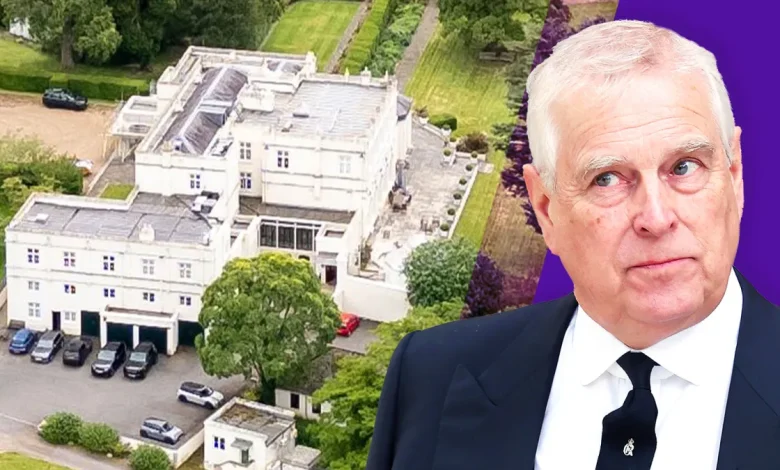
Royal Lodge has become the epicenter of a major public debate following a landmark investigation by the United Kingdom’s public spending watchdog, the National Audit Office (NAO). Released on June 5, 2026, the comprehensive report has pulled back the heavy velvet curtain on the royal family’s highly complex—and often opaque—real estate transactions. Among its most startling revelations is that Andrew Mountbatten-Windsor, the disgraced former prince, generated a substantial private income by subletting three cottages within his Windsor Great Park estate while paying nothing more than a symbolic “peppercorn rent” for the grand property over more than twenty years. The findings, as detailed in the National Audit Office report, have ignited fresh questions about the private financial dealings of the monarchy and how public assets are managed.
Beyond Andrew's immediate finances, the report has cast a harsh light on his daughters, Princess Beatrice and Princess Eugenie, who continue to live in highly desirable, rent-controlled royal palace properties that are paid for in full by their uncle, King Charles III. Coming at a time of heightened scrutiny over the wealth and privileges of the royal family, this unprecedented review has intensified the public debate surrounding accountability, transparency, and the intersection between public funding and private royal privilege.
Royal Lodge Lease and the Peppercorn Rent Agreement
The controversy surrounding Royal Lodge, a magnificent Grade II-listed property featuring a 30-room mansion and expansive grounds near Windsor Castle, has been brewing for years. However, the NAO’s June 2026 report provides the first detailed financial autopsy of the arrangement in over two decades. Andrew Mountbatten-Windsor acquired the lease to Royal Lodge in 2003 under highly favorable terms from the Crown Estate, the independent portfolio that manages the crown's land assets. At the time of signing, the lease agreement dictated that Andrew would pay a nominal, purely symbolic fee—famously known as a “peppercorn rent”—in exchange for taking on a significant private restoration commitment.
A “peppercorn rent” is a legal mechanism used in property transactions to establish a binding contract without requiring substantial ongoing financial exchanges. To secure this peppercorn arrangement, Andrew was required to pay an upfront capital premium of £1 million. However, this upfront payment was drastically reduced because the leaseholder agreed to invest £7.5 million of his own private capital into the extensive renovation and structural restoration of the crumbling estate. The Crown Estate has since verified that Andrew successfully fulfilled this £7.5 million capital renovation obligation. Nonetheless, the fact that a member of the royal family was able to occupy a multi-million-pound state asset for decades without contributing ongoing market-rate rent has long irritated critics of royal spending, and the new details regarding the commercial exploitation of the estate have only heightened this public anger.
The 2003 Royal Lodge Contractual Framework
Under the strict terms of the 75-year lease signed in 2003, the Royal Lodge estate was partitioned into several residential structures. In addition to the massive 30-room principal mansion, the leasehold encompassed eight independent cottages located within the secured boundaries of the estate grounds. The contract explicitly granted Andrew Mountbatten-Windsor the legal right to sublet three of these eight cottages.
While the Crown Estate argued that allowing subletting was a practical way to ensure the properties remained maintained and occupied—potentially housing staff or key estate personnel—the mechanism by which this subletting was carried out remained entirely private. Rather than the rental proceeds returning to the Crown Estate or the public Treasury, the income generated from these sublets went directly into Andrew's private accounts. This contractual framework essentially allowed a rent-free tenant to act as a commercial landlord on publicly owned land, a disclosure that has shocked housing experts and political commentators alike.
The NAO Report Revelations: Subletting Cottages for Private Income
The publication of the NAO report represents a critical turning point in the public understanding of royal finances. The spending watchdog undertook this detailed analysis following intense pressure from the House of Commons Public Accounts Committee, which announced an inquiry into royal housing arrangements in late 2025. This parliamentary push was directly catalyzed by the ongoing controversies surrounding Andrew's housing status, his forced surrender of official royal titles, and his eventual eviction from Royal Lodge by King Charles III. Andrew officially vacated the property in January 2026, moving to a privately owned residence on the Sandringham estate.
According to the NAO's findings, Andrew actively sublet the three authorized cottages on the Royal Lodge estate for more than twenty years, pocketing the undisclosed rental income. Although the report notes that the cottages have been vacant since April 2026—shortly after Andrew's departure from the estate—it confirms that they served as a reliable stream of private revenue for the former prince during his occupancy. The revelation that a disgraced royal, stripped of his official duties and public standing due to his association with convicted sex offender Jeffrey Epstein, was using a Crown Estate lease to extract private commercial profit has drawn fierce criticism from across the political spectrum.
The Missing Financial Figures and Public Discontent
One of the most contentious aspects of the NAO's report is its failure to specify the exact amount of rental income Andrew generated from subletting the cottages. The public spending watchdog noted that because the rental agreements were private contracts between Andrew and his subtenants, the precise financial figures remained outside the scope of public disclosure. This omission has been met with significant outrage from legislative watchdogs.
Dame Margaret Hodge, a prominent member of the House of Lords and the former chairperson of the Public Accounts Committee, expressed deep concern over this lack of transparency. She stated that it was “shocking” that the National Audit Office was unable to establish the exact sums Andrew secured from subletting public assets. Critics argue that without these figures, the public is left completely in the dark regarding the true scale of the financial benefit Andrew received. Norman Baker, a former Liberal Democrat government minister and a long-standing critic of royal financial privileges, was even more scathing. He branded the entire arrangement as “outrageous,” stating that the setup showed “an absolute total contempt for the taxpayer”. Baker emphasized that any commercial revenue generated from Crown Estate properties should legally and ethically flow back into the public purse, rather than funding the private lifestyle of a retired royal.
Princess Beatrice and Princess Eugenie: Rent-Controlled Palace Properties
While the revelations surrounding Prince Andrew have dominated the headlines, the NAO report also shines an unprecedented spotlight on the property arrangements of his adult children, Princess Beatrice (37) and Princess Eugenie (36). Neither princess is a “working royal”—meaning they do not perform official public duties on behalf of the Crown and instead pursue private careers. Despite this non-working status, both sisters occupy premium residential properties located within secure royal palaces in central London.
Princess Beatrice has lived in a spacious apartment within St James's Palace for nearly two decades. Princess Eugenie, meanwhile, occupies Ivy Cottage, a highly desirable residence on the grounds of Kensington Palace. Because these properties are located behind high-security cordons, their rental rates are artificially adjusted and discounted. The NAO report revealed that Princess Beatrice's St James's Palace rent is set at approximately 68% of the open market value for the local area, while Princess Eugenie's Ivy Cottage rent is set at 64% of the open market rate. These reductions are officially justified by the Royal Household due to the strict security vetting requirements imposed on any potential tenants and the logistical limitations of living within working royal palaces. However, the true revelation lies in who is actually paying these subsidized rents.
How King Charles III Covers the Living Costs
For years, the public was led to believe that the princesses or their father paid the rents for these prestigious palace properties out of their own pockets. The NAO report has shattered this assumption by revealing that King Charles III personally foots the bill for both of his nieces' rents. The payments are funded directly through the King's private Duchy of Lancaster income, commonly referred to as the Privy Purse.
The Duchy of Lancaster is a vast private estate of land, property, and assets held in trust for the reigning monarch, generating tens of millions of pounds in annual revenue. By paying his nieces' rents from this private source, King Charles is continuing an established family arrangement originally put in place by his late mother, Queen Elizabeth II. Royal sources have defended the setup, arguing that because the King pays these rents from his private income, he is effectively reimbursing the public treasury for any maintenance and operational costs associated with the properties. They assert that the arrangement results in “no additional cost to the Sovereign Grant”—the public fund that covers the official expenses of the monarchy. However, constitutional reform advocates argue that the Duchy of Lancaster is itself a state-adjacent asset, and using its massive revenues to subsidize the London lifestyles of non-working royals, who already own substantial private properties elsewhere, represents an unethical concentration of wealth.
Broader Royal Property Portfolios: Commercial Rents vs. Royal Subsidies
The NAO's comprehensive report does not limit its findings to the York branch of the royal family. It provides a sweeping, comparative analysis of how various royal residences are leased, funded, and maintained, exposing a stark contrast between commercial standards and royal privileges.
For instance, the report highlights the lease of Bagshot Park, a massive estate occupied by the King's brother, Prince Edward, and his wife, Sophie, the Duke and Duchess of Edinburgh. The Edinburghs secured a highly favorable 150-year lease on Bagshot Park through an upfront payment of £5 million. Like Prince Andrew at Royal Lodge, they pay only a nominal peppercorn rent and have also generated private income by subletting portions of their estate.
In contrast, the report details that Prince William and Princess Catherine pay a substantial commercial rent of £307,200 annually for Forest Lodge. However, this commercial rate is somewhat offset by the disclosure that the Crown Estate spent nearly £400,000 on high-end renovations and structural upgrades for the property and its surrounding cottages immediately before the Waleses moved in. Furthermore, the report revealed that King Charles also covers the rent for Prince and Princess Michael of Kent’s Kensington Palace apartment from his private Privy Purse—a revelation that directly contradicts previous public assurances from the Palace that the Kents were paying their own way.
The Upcoming Public Accounts Committee Inquiry
The publication of this exhaustive NAO report is not the end of the story; rather, it is the beginning of a fresh wave of political and legislative scrutiny. The findings are set to form the primary evidentiary basis for a highly anticipated Public Accounts Committee (PAC) inquiry in Westminster later this year.
Members of Parliament on the committee are expected to grill Crown Estate officials and representatives of the Royal Household regarding the valuation methods used to set royal rents. The NAO report explicitly noted that for several years, the adjusted rents for properties within royal palaces were calculated using outdated open-market valuations. This systemic failure to update property values has likely resulted in the Royal Household undercharging its residents by hundreds of thousands of pounds over the years. The PAC inquiry will focus heavily on reforming these outdated mechanisms, demanding greater transparency, and ensuring that the public receives fair value for the nation's historic residential assets.
A Detailed Breakdown of Royal Housing Arrangements
To understand the sheer scale of the housing subsidies, private revenues, and funding sources exposed by the National Audit Office, it is helpful to compare the arrangements of the key royal figures highlighted in the report. The table below outlines the core lease terms, funding sources, and subletting privileges that have defined the royal family's residential affairs over the past two decades.
| Property Name | Primary Resident(s) | Rent and Lease Terms | Primary Funding Source | Subletting & Private Income Status |
|---|---|---|---|---|
| Royal Lodge (Windsor Great Park) | Andrew Mountbatten-Windsor | 75-year lease signed in 2003; £1M upfront premium plus £7.5M renovation commitment; peppercorn rent thereafter. | Private capital (for upfront/renovations); no ongoing rent paid. | Allowed to sublet 3 of 8 cottages; generated undisclosed private income for over 20 years. |
| St James's Palace Apartment (London) | Princess Beatrice | Rent set at 68% of open market value (discounted due to palace security/vetting). | Paid by King Charles III via the private Duchy of Lancaster (Privy Purse). | No subletting or commercial activity permitted. |
| Ivy Cottage (Kensington Palace) | Princess Eugenie | Rent set at 64% of open market value (discounted due to palace security/vetting). | Paid by King Charles III via the private Duchy of Lancaster (Privy Purse). | No subletting or commercial activity permitted. |
| Bagshot Park (Surrey) | Duke and Duchess of Edinburgh | 150-year lease; paid £5 million upfront premium; peppercorn rent thereafter. | Private capital; no ongoing rent paid. | Permitted to sublet portions of the estate; generated private commercial income. |
| Forest Lodge (Windsor) | Prince and Princess of Wales | Commercial rent set at £307,200 annually. | Funded through public/private royal resources. | No subletting; received £400,000 in upfront Crown Estate renovation work before moving in. |
The broader systemic implications of this National Audit Office report are profound, pointing to an urgent need for institutional overhaul. Historically, the private financial operations of the Royal Family have been shielded from public scrutiny under various legal exemptions and privacy claims. However, this historic transparency effort marks the first time in twenty years that an independent government watchdog has successfully audited these arrangements in such granular detail. By revealing the financial mechanisms of the Royal Lodge lease and the King's funding of his non-working nieces, the NAO has provided the British public with an unprecedented look into how the Crown Estate and Royal Household operate behind closed doors.
As the debate intensifies, constitutional experts are pointing out that the current funding model—which separates the public Sovereign Grant from the private Duchy of Lancaster—creates systemic loopholes. While the palace maintains that using the Duchy of Lancaster (Privy Purse) to fund private family expenses represents 'no cost to the taxpayer,' reformists argue that the Duchy is a national asset whose revenues should benefit the public treasury rather than being used as a multi-million-pound private bank account for the royal family. Whether this landmark report leads to concrete legislative reforms or merely serves as a temporary source of embarrassment for the House of Windsor remains to be seen. What is clear, however, is that the era of complete secrecy regarding royal property and wealth has officially come to an end, with Parliament poised to demand rigorous financial accountability in the upcoming inquiry.