Nippon Dynawave Plant Explosion: All Missing Employees Recovered
Introduction
In a devastating turn of events, the Nippon Dynawave plant in Longview, Washington, experienced a catastrophic chemical tank implosion and rupture, leading to the loss of eleven lives. The incident, which began on Tuesday, culminated in the recovery of the final missing employee on Saturday, as confirmed by Longview Fire Chief Brad Hannig during a somber news conference. This tragedy has not only shaken the local community but has also raised critical questions about industrial safety standards and emergency response protocols. The details surrounding the explosion, the victims involved, and the subsequent investigations are crucial to understanding the full scope of this disaster and preventing future occurrences.
The Tragic Incident at Nippon Dynawave
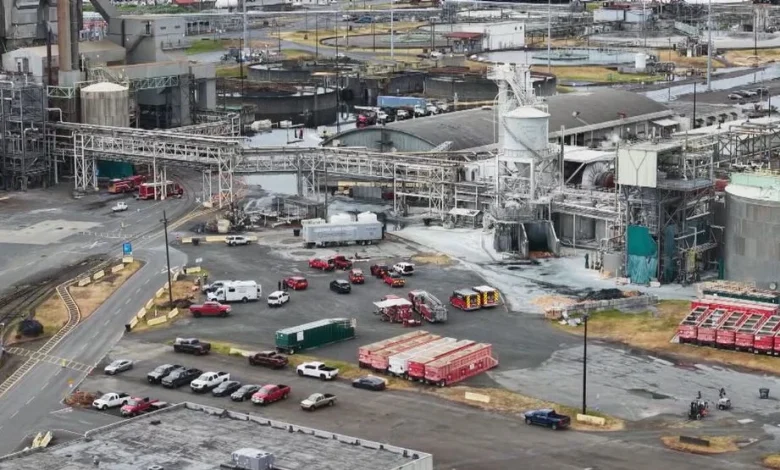
The incident at the Nippon Dynawave plant unfolded with alarming speed, transforming a regular workday into a scene of unimaginable devastation. A chemical tank implosion and rupture triggered a series of events that resulted in immediate fatalities and severe injuries. First responders arrived to a chaotic environment, with debris scattered across the site and the urgent need to locate missing employees. The initial hours were marked by frantic search and rescue operations, complicated by the inherent dangers of a chemical incident. The severity of the explosion underscored the volatile nature of the materials handled at the plant and the potential risks faced by the employees on a daily basis. The plant, which specializes in producing industrial-strength paper products, relies on a complex chemical process, making safety protocols paramount. The failure, in this instance, led to irreversible consequences, prompting a comprehensive review of operational procedures and safety measures. Understanding the exact sequence of events leading to the implosion is critical for determining the root cause and implementing corrective actions. This includes examining the condition of the tank, the chemical mixtures involved, and any potential human errors that may have contributed to the disaster. The incident serves as a stark reminder of the importance of rigorous safety standards and continuous monitoring in industrial settings. Similar to other industrial incidents, such as the China fireworks plant explosion, the repercussions extend beyond the immediate loss of life, impacting families, the community, and the broader industry.
Intensive Recovery Efforts
The recovery efforts at the Nippon Dynawave plant were both extensive and painstaking, reflecting the gravity of the situation and the commitment to bringing closure to the families of the missing. Firefighters, Hazmat teams, and other emergency personnel worked tirelessly around the clock, navigating hazardous conditions to locate and recover the missing employees. The challenges were significant, including the risk of further chemical exposure and the structural instability of the damaged facility. Advanced equipment and specialized techniques were deployed to ensure a thorough search, while maintaining the safety of the recovery teams. The coordinated effort involved multiple agencies, each bringing their unique expertise to the task. The meticulous approach underscored the importance of leaving no stone unturned in the quest to recover all victims. The recovery operation also provided critical information for the ongoing investigation, helping to piece together the events that led to the explosion. The focus remained on both recovering the missing and preserving evidence for a comprehensive analysis. The dedication and perseverance of the recovery teams, working under immense pressure, were instrumental in bringing a measure of closure to a grieving community. As recovery efforts conclude, investigations turn to determine cause, akin to investigations following events such as the agency releasing a report on Bufords Bar shooting.
Victims Identified in the Nippon Dynawave Plant Explosion
The eleven individuals who tragically lost their lives in the Nippon Dynawave plant explosion have been identified, leaving behind grieving families and a community in mourning. The deceased include Gilberto Bernal, 52; Tyler Covington, 29; Brad Covington, 27; Robert Wilson, 48; Dale Miller, 54; Jared Ammons, 35; Braydon Finkas, 38; Clinton Duran, 26; John Forsberg, 51; Norman Barlow, 58; and Dillon Miller. Each of these individuals represented a life full of experiences, relationships, and contributions to their families and the community. Their stories, though cut short, are a testament to the human cost of industrial accidents. The ages of the victims span a wide range, highlighting that such tragedies affect people at different stages of life, each with their unique aspirations and responsibilities. The loss of these eleven individuals has created a void that will be deeply felt by their loved ones and colleagues. As the community mourns, there is also a collective resolve to honor their memory by seeking answers and ensuring that such a tragedy never happens again. The identification of the victims allows families to begin the process of grieving and healing, while also underscoring the importance of accountability and prevention in industrial safety practices. Like the passenger death after a luxury voyage, the impact on families is profound and lasting.
Community Response and Support
The community of Longview has rallied together in the aftermath of the Nippon Dynawave plant explosion, demonstrating remarkable resilience and solidarity. Local organizations, religious institutions, and individual volunteers have mobilized to provide support to the families of the victims and the affected workers. Grief counseling, financial assistance, and other forms of aid are being offered to help those struggling to cope with the tragedy. Vigils and memorial services have been organized to honor the lives lost and provide a space for collective mourning. The outpouring of support reflects the strong bonds that exist within the community and the shared commitment to helping one another through difficult times. Local businesses have also stepped up, donating resources and services to assist with the relief efforts. The collaborative response underscores the importance of community in times of crisis and the power of collective action to alleviate suffering. This unity is a testament to the strength and compassion of the people of Longview. The community’s response mirrors the support often seen in the wake of other tragedies, highlighting the universal need for human connection and assistance during times of grief and loss. In times of tragedy, community support is essential, similar to the community rallying around cases such as the Lively Baldoni settlement.
Investigation Launched into the Cause of the Explosion
A comprehensive investigation has been launched to determine the cause of the chemical tank implosion and rupture at the Nippon Dynawave plant. Federal and state agencies, along with internal experts from Nippon Dynawave, are collaborating to examine all potential factors that may have contributed to the disaster. The investigation will focus on assessing the condition of the tank, the chemical processes involved, safety protocols, maintenance records, and any potential human errors. The goal is to identify the root cause of the explosion and implement measures to prevent similar incidents in the future. Investigators will be collecting and analyzing evidence, interviewing witnesses, and reviewing relevant documentation to gain a clear understanding of what transpired. The findings of the investigation will be crucial for informing regulatory changes, improving safety standards, and holding accountable any parties found to be negligent. Transparency and thoroughness are paramount to ensure that the investigation is credible and that the lessons learned are effectively applied. The investigative process is similar to that following other industrial incidents, with a focus on uncovering the underlying causes and preventing recurrence. The probe will be comprehensive, much like investigations in other fields such as those relating to ballot seizures.
Scrutiny of Safety Regulations
The Nippon Dynawave plant explosion has brought intense scrutiny to existing safety regulations and their enforcement in the pulp and paper industry. Regulators and industry experts are re-evaluating current standards to identify gaps and areas for improvement. The focus is on ensuring that plants handling hazardous chemicals have adequate safeguards in place to protect workers and prevent accidents. This includes reviewing requirements for tank maintenance, chemical storage, emergency response plans, and employee training. The effectiveness of oversight mechanisms and the frequency of inspections are also being examined. The goal is to strengthen regulations and enhance enforcement to create a safer working environment. Stakeholders are considering the implementation of more stringent safety measures, such as enhanced monitoring systems, improved ventilation, and more robust containment structures. The incident has also prompted discussions about the need for greater transparency and public access to information about potential hazards in industrial facilities. The review of safety regulations extends beyond the immediate context of the Nippon Dynawave plant, with broader implications for the entire industry. Much like the scrutiny of grants halted by the Trump administration, safety regulations must be constantly reviewed.
Historical Context of Industrial Accidents
The Nippon Dynawave plant explosion is a stark reminder of the historical context of industrial accidents and the ongoing need for vigilance in workplace safety. Throughout history, industrial disasters have led to significant loss of life and environmental damage, often prompting reforms in safety regulations and labor laws. From the Triangle Shirtwaist Factory fire to the Bhopal disaster, these incidents have served as painful lessons about the importance of prioritizing safety over production. The recurrence of such tragedies underscores the persistent challenges in maintaining a safe working environment, particularly in industries that handle hazardous materials. Examining past accidents can provide valuable insights into common causes, contributing factors, and effective prevention strategies. The lessons learned from historical incidents have shaped the development of modern safety standards and regulations, but continuous improvement is essential to address emerging risks and prevent future disasters. The historical perspective highlights the need for a proactive approach to safety, rather than a reactive one, with a focus on anticipating and mitigating potential hazards before they lead to catastrophic events. Like the memory of past events influencing current actions, the historical context of industrial accidents is important.
Potential Legal Repercussions
The Nippon Dynawave plant explosion is likely to result in significant legal repercussions for the company and potentially other parties involved. Victims’ families may file wrongful death lawsuits, seeking compensation for their losses. Employees who were injured in the explosion may also pursue legal action to cover medical expenses, lost wages, and pain and suffering. Regulatory agencies may impose fines and penalties on Nippon Dynawave for violations of safety regulations. The investigation into the cause of the explosion will play a crucial role in determining liability and the extent of any legal culpability. If negligence or recklessness is found to have contributed to the disaster, criminal charges could also be filed. The legal proceedings could be lengthy and complex, involving multiple parties and a wide range of legal issues. The outcome of these legal battles will have significant implications for Nippon Dynawave and could set precedents for future industrial accident cases. Beyond the financial penalties, the legal repercussions could also damage the company’s reputation and erode public trust. The potential legal repercussions echo those following other high-profile incidents. Legal battles can be complex, much like those surrounding defense lawyers challenging suicide watch.
Impact on the Industry
The Nippon Dynawave plant explosion is expected to have a far-reaching impact on the pulp and paper industry, prompting a reassessment of safety practices and regulatory compliance across the sector. Companies may face increased pressure from regulators, insurers, and the public to demonstrate their commitment to safety. This could lead to higher costs for safety equipment, training programs, and inspections. The incident may also accelerate the adoption of new technologies and processes designed to enhance safety and reduce the risk of accidents. Industry associations are likely to play a key role in disseminating best practices and promoting a culture of safety throughout the sector. The focus will be on preventing similar incidents from occurring at other plants, thereby safeguarding workers, protecting the environment, and maintaining public confidence. The impact on the industry may also extend to supply chains and customer relationships, as companies seek assurances that their suppliers and partners are adhering to the highest safety standards. Much like the shifts in other industries, the Nippon Dynawave incident will reshape the pulp and paper industry.
Long-Term Consequences for Longview
The long-term consequences of the Nippon Dynawave plant explosion for the city of Longview extend beyond the immediate loss of life and economic disruption. The tragedy has shaken the community’s sense of security and trust, potentially impacting social cohesion and civic engagement. The economic impact could include job losses, reduced tax revenues, and decreased investment in the area. The environmental consequences of the explosion may also have long-lasting effects, requiring extensive remediation efforts and potentially affecting local ecosystems. The city will need to address the psychological impact of the disaster on residents, providing mental health services and support programs to help people cope with the trauma. The incident may also prompt a re-evaluation of land-use planning and zoning regulations, to ensure that industrial facilities are located and operated in a manner that minimizes risks to the community. Longview will need to develop a comprehensive recovery plan that addresses the economic, social, and environmental challenges created by the explosion, while also fostering resilience and promoting long-term sustainability. The disaster’s long-term consequences will be deeply felt. Like other events shaping communities, the Longview community will be changed.
Supporting the Bereaved
Providing support to the bereaved families and loved ones of the victims of the Nippon Dynawave plant explosion is paramount. Grief is a deeply personal and complex process, and those affected will require ongoing emotional, practical, and financial assistance. Support services may include counseling, support groups, and memorial events. Financial assistance can help families cover funeral expenses, medical bills, and lost income. It is important to recognize that grief can manifest in different ways and that there is no set timeline for healing. Patience, empathy, and understanding are essential in providing effective support. The community can also play a role in honoring the memory of the victims and celebrating their lives. By coming together to offer comfort and assistance, the community can help the bereaved navigate their grief and begin the long journey toward healing. The support offered should be comprehensive. Like offering support in other times, supporting the bereaved is essential.
Data Table Summary
| Category | Details |
|---|---|
| Incident | Chemical tank implosion and rupture at Nippon Dynawave plant |
| Location | Longview, Washington |
| Date of Incident | Tuesday (prior to May 31, 2026) |
| Fatalities | 11 |
| Injured | 2 |
| Victims | Gilberto Bernal, Tyler Covington, Brad Covington, Robert Wilson, Dale Miller, Jared Ammons, Braydon Finkas, Clinton Duran, John Forsberg, Norman Barlow, Dillon Miller |
| Response | Extensive recovery efforts, community support, official investigation |
| Agencies Involved | Firefighters, Hazmat teams, federal and state agencies |
| Investigation Focus | Tank condition, chemical processes, safety protocols, maintenance records, human errors |
| Potential Outcomes | Legal repercussions, regulatory changes, industry-wide safety reassessment |
Final Thoughts
The Nippon Dynawave plant explosion is a profound tragedy that underscores the critical importance of safety in industrial settings. The loss of eleven lives is a devastating blow to the community of Longview and a stark reminder of the human cost of workplace accidents. As investigations continue and legal proceedings unfold, it is essential to learn from this disaster and implement measures to prevent similar incidents in the future. This includes strengthening safety regulations, enhancing enforcement, promoting a culture of safety, and providing comprehensive support to the victims and their families. The long-term consequences of the explosion will require sustained efforts to address the economic, social, and environmental challenges facing Longview. By working together, the community can heal, rebuild, and create a safer, more resilient future. This incident serves as a call to action for industry leaders, regulators, and policymakers to prioritize safety and ensure that every worker returns home safe each day. The pursuit of justice and accountability is crucial, but equally important is the commitment to preventing future tragedies and honoring the memory of those who were lost. You can read about other incidents such as the Bondi Beach massacre here.