FBI Director Kash Patel Faces Scrutiny Over Drinking Allegations
Introduction
In a highly unusual and contentious Senate hearing, FBI Director Kash Patel found himself at the center of a storm, facing serious allegations of alcohol abuse leveled by Senator Chris Van Hollen, a Democrat from Maryland. The accusations, which included claims of public intoxication and habitual absenteeism due to hangovers, sparked a heated exchange between the two, culminating in an agreement to undergo a drinking “audit.” This incident has not only cast a shadow over Patel’s leadership of one of the nation’s most critical law enforcement agencies but has also ignited a fierce debate regarding the ethical conduct and accountability of public officials. The allegations, denials, and proposed audit have swiftly become a focal point of media attention, raising questions about Patel’s suitability for his role and the broader implications for the FBI’s reputation and operational effectiveness.
The Senate Hearing Exchange
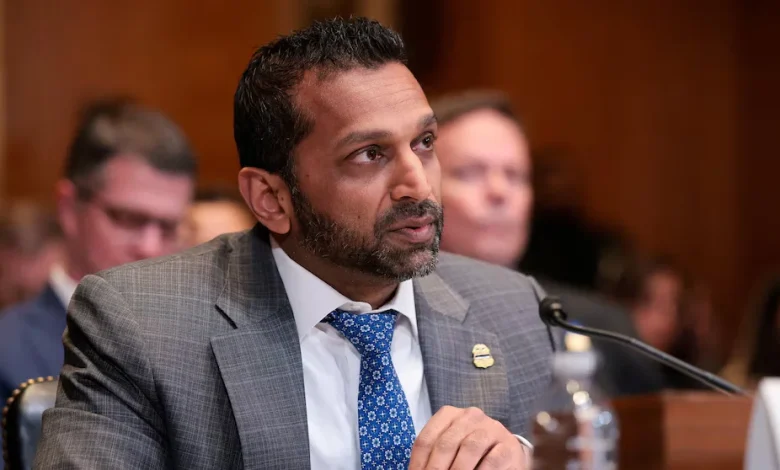
The confrontation unfolded during a Senate Appropriations subcommittee hearing convened to discuss the FBI’s budget. Senator Van Hollen, leveraging his position as the ranking Democrat on the panel, initiated the exchange with a direct and pointed accusation. He stated that reports of Patel being “so drunk and hungover that your staff had to force entry into your home are extremely alarming”. Van Hollen further asserted that if these reports were accurate, they would constitute “a gross dereliction of your duty.” The gravity of these accusations was immediately apparent, setting the stage for a tense and combative interaction between the two figures. The setting, a formal Senate hearing intended for budgetary oversight, amplified the significance of the exchange, transforming it into a matter of public record and intense scrutiny. The accusations were particularly striking given the sensitivity and importance of the FBI Director’s role in maintaining national security and upholding the law.
Allegations of Alcohol Abuse
The allegations against FBI Director Patel center on claims of excessive alcohol consumption that purportedly affected his professional responsibilities. Senator Van Hollen specifically mentioned reports suggesting that Patel’s intoxication had been so severe that his staff had to forcibly enter his residence. These claims, if substantiated, raise serious concerns about Patel’s ability to perform his duties effectively and responsibly. The allegations also extend to supposed absences from work due to hangovers, further compounding the issue of potential dereliction of duty. The source of these allegations, as indicated during the hearing, appears to stem from an article published in The Atlantic, which detailed claims of Patel’s drinking habits and their impact on his professional life. These allegations have been particularly damaging due to the high standards of conduct expected from individuals in leadership positions within federal law enforcement agencies.
Patel’s Denial and Counter-Accusations
In response to Senator Van Hollen’s accusations, FBI Director Patel vehemently denied the allegations, dismissing them as a “total farce” and questioning the source of Van Hollen’s information. Patel defended himself against the claims outlined in The Atlantic article, labeling them as “baseless allegations and fraudulent statements from the media.” In a surprising turn, Patel launched a counter-accusation against Van Hollen, alleging that the senator was “the only individual drinking on the taxpayer’s dime”. This retort, while not explicitly detailing the nature of Van Hollen’s alleged misconduct, served to deflect attention from the accusations against Patel and introduce an element of personal animosity into the exchange. This aggressive defense strategy underscores the high stakes involved and the potential ramifications for Patel’s career and the FBI’s reputation. The immediate and forceful denial also highlights the partisan divisions that often permeate discussions of government oversight and accountability.
The Proposed Drinking Audit
In the wake of the heated exchange, Senator Van Hollen and FBI Director Patel agreed to a rather unconventional resolution: a drinking “audit.” While the specifics of this audit remain unclear, the agreement signifies a willingness, at least on the surface, to address the allegations of alcohol abuse in a transparent and verifiable manner. The concept of a drinking audit raises several practical and ethical questions. It is uncertain who would conduct the audit, what methods would be employed to assess alcohol consumption, and how the results would be interpreted and used. Furthermore, the audit raises privacy concerns and the potential for overreach in scrutinizing the personal habits of a public official. Despite these uncertainties, the agreement to undergo a drinking audit reflects the seriousness of the allegations and the pressure on Patel to demonstrate his fitness for office. It also sets a precedent for future scrutiny of public officials’ personal conduct and its potential impact on their professional responsibilities.
Table: Summary of Allegations and Responses
| Allegation | Source | Patel’s Response |
|---|---|---|
| Public intoxication and habitual absenteeism due to hangovers | Senator Van Hollen, The Atlantic article | Denied allegations as a “total farce” and “baseless” |
| Staff having to forcibly enter Patel’s residence due to his condition | Senator Van Hollen | Dismissed as unfounded and fraudulent |
| Unspecified misconduct | Patel’s counter-accusation | Accused Van Hollen of “drinking on the taxpayer’s dime” |
Impact on FBI Leadership
The allegations against FBI Director Patel, regardless of their veracity, inevitably impact his leadership of the FBI. The accusations create a cloud of doubt and uncertainty around his ability to effectively manage the agency and maintain the high standards of conduct expected of its personnel. The controversy also has the potential to undermine morale within the FBI, as employees may question Patel’s judgment and leadership. Furthermore, the allegations could impair Patel’s credibility with other government agencies, law enforcement partners, and the public, making it more difficult for him to fulfill his responsibilities as FBI Director. The timing of these allegations is particularly sensitive, given the ongoing challenges facing the FBI, including combating terrorism, cybercrime, and other national security threats. Any distraction or erosion of trust in leadership could have serious consequences for the agency’s effectiveness and its ability to protect the nation.
Political Implications
The accusations against FBI Director Patel carry significant political implications, particularly given the highly charged political environment in Washington. The allegations could be used by political opponents to undermine Patel’s credibility and push for his removal from office. The controversy also has the potential to become a partisan issue, with Democrats likely to support further investigation into the allegations and Republicans potentially rallying to Patel’s defense. The political fallout from this incident could extend beyond Patel himself, potentially affecting the broader relationship between the FBI and Congress, as well as the agency’s standing with the public. Moreover, the allegations could influence the upcoming elections, particularly if they become a major talking point in campaign debates and media coverage. The politicization of law enforcement agencies is a recurring concern, and this incident underscores the challenges of maintaining impartiality and public trust in a highly polarized political climate. The blocking of U.S. energy could have political implications as well.
Media Coverage and Public Perception
The allegations against FBI Director Patel have garnered widespread media coverage, amplifying the potential impact on public perception. The initial reports in The Atlantic, followed by the contentious Senate hearing, have provided ample fodder for news outlets and social media platforms. The media coverage has focused on the details of the allegations, the responses from Patel and Senator Van Hollen, and the broader implications for the FBI and the government. This intense media scrutiny can shape public opinion, regardless of the ultimate outcome of any investigations or audits. Public perception of the FBI is critical to its effectiveness, as the agency relies on the cooperation and trust of the citizenry to carry out its mission. Any erosion of public confidence in the FBI, whether justified or not, could have lasting consequences for its ability to investigate crimes, gather intelligence, and maintain national security.
Ethical Considerations for Public Officials
The allegations against FBI Director Patel raise important ethical considerations for public officials. Government leaders are expected to maintain the highest standards of conduct, both in their professional and personal lives. Allegations of alcohol abuse, particularly when they impact job performance, can undermine public trust and raise questions about an official’s fitness for office. The ethical responsibilities of public officials extend beyond simply obeying the law; they also include adhering to principles of honesty, integrity, and accountability. When allegations of misconduct arise, it is incumbent upon officials to address them transparently and cooperate with any investigations or audits. Failure to do so can further erode public trust and damage the credibility of the government as a whole. The ethical dimensions of this case are particularly relevant given the sensitive nature of the FBI’s mission and the importance of maintaining public confidence in law enforcement agencies.
Historical Context of Scrutiny of Government Officials
The scrutiny of FBI Director Patel is not an isolated incident but rather part of a broader historical pattern of intense scrutiny of government officials. Throughout history, public figures have faced allegations of misconduct, ranging from financial impropriety to personal indiscretions. These allegations have often been the subject of media attention, public debate, and formal investigations. The level of scrutiny has intensified in recent years, driven by the proliferation of social media and the 24-hour news cycle. This heightened scrutiny can serve as a check on power and promote accountability, but it can also be used for political purposes or to unfairly tarnish reputations. Understanding the historical context of scrutiny of government officials can provide valuable insights into the dynamics at play in the Patel case and the broader challenges of maintaining ethical standards in public service. Similar scrutiny has been given to other government officials such as those involved with the U.S. and Iran talks.
Potential Outcomes and Investigations
The allegations against FBI Director Patel could lead to several potential outcomes, ranging from a formal investigation to his resignation or removal from office. If the allegations are deemed credible, an independent investigation could be launched to gather evidence and determine whether Patel violated any laws or ethical standards. Such an investigation could be conducted by the Department of Justice, the Office of Government Ethics, or a congressional committee. Depending on the findings of the investigation, Patel could face disciplinary action, including suspension, demotion, or termination. He could also face criminal charges if there is evidence of illegal conduct. Alternatively, Patel could choose to resign from his position in order to avoid further scrutiny or to protect the reputation of the FBI. The outcome of this situation will likely depend on the credibility of the allegations, the strength of the evidence, and the political dynamics at play in Washington. The progress of peace talks is also dependent on investigations.
Comparative Analysis of Similar Cases
Examining similar cases of government officials facing allegations of misconduct can provide valuable context and insights into the Patel situation. There have been numerous instances in recent years of public figures facing scrutiny over their personal behavior, ranging from allegations of sexual harassment to financial impropriety. These cases often follow a similar pattern, with initial allegations, media coverage, public debate, and potential investigations. The outcomes of these cases have varied widely, depending on the specific circumstances and the political climate. Some officials have been forced to resign or have faced disciplinary action, while others have weathered the storm and remained in office. By comparing the Patel case to these similar situations, it is possible to identify common themes and patterns, as well as the factors that influence the outcomes. This comparative analysis can also shed light on the broader challenges of maintaining ethical standards in public service and holding government officials accountable for their conduct. An example of another director under investigation is the ShinyHunters breach.
Conclusion
The allegations against FBI Director Kash Patel represent a serious challenge to his leadership and the reputation of the FBI. The accusations of alcohol abuse, the contentious Senate hearing, and the proposed drinking audit have created a cloud of uncertainty and controversy that could have lasting consequences. Regardless of the ultimate outcome, this incident underscores the importance of ethical conduct for public officials and the need for transparency and accountability in government. The Patel case also highlights the intense scrutiny that government leaders face in today’s media environment and the potential for political polarization to influence perceptions and outcomes. As this situation unfolds, it will be crucial to carefully consider the evidence, maintain a balanced perspective, and uphold the principles of fairness and due process. The resolution of this matter will not only impact Patel’s career but also shape public perceptions of the FBI and the broader standards of conduct expected of government officials. As tensions rise in certain areas around the world, it’s important to have strong leadership. For additional information, you can read more about the FBI’s mission and leadership on the FBI’s official website.