Cindy Burbank Wins Nebraska Primary, Setting Stage for Osborn vs. Ricketts
Introduction
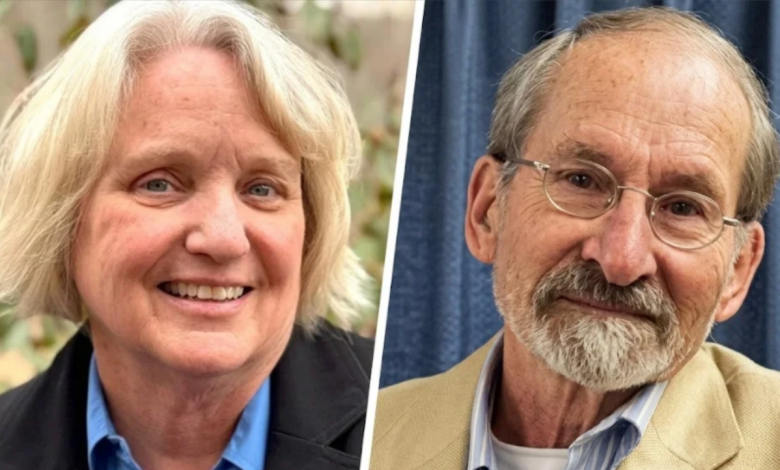
In a pivotal development for Nebraska’s political landscape, Cindy Burbank has emerged victorious in the Democratic Senate primary, according to projections from NBC News. This win sets the stage for a potentially compelling general election showdown, where independent candidate Dan Osborn could challenge incumbent GOP Senator Pete Ricketts head-to-head. The outcome of this race could significantly alter the balance of power in the Senate and reflects the evolving political dynamics within Nebraska.
Democratic Primary Results: Burbank Triumphs
‘s victory in the Democratic primary marks a significant step forward for the party, albeit in a state where Democrats have struggled to gain traction in recent years. She successfully defeated pastor William Forbes, securing the Democratic nomination and the opportunity to compete for a Senate seat that has eluded her party since 2006. Burbank’s campaign focused on key issues relevant to Nebraska voters, and her win underscores the importance of a well-articulated platform in primary elections.
Republican Primary Results: Ricketts’s Expected Victory
On the Republican side, Senator Pete Ricketts secured an expected and decisive victory in his primary. Ricketts, a well-known figure in Nebraska politics, leveraged his established base and strong campaign infrastructure to maintain his position as the frontrunner. His win was widely anticipated, given his incumbency and the Republican party’s strong presence in the state. The focus now shifts to how Ricketts will position himself against both Osborn and, potentially, Burbank, as the general election approaches.
Osborn’s Independent Bid: A Second Chance?
Dan Osborn’s decision to run as an independent adds a unique dimension to the Senate race. As a steamfitter and former union organizer, Osborn brings a different perspective to the political arena. His campaign is built on the premise of representing Nebraskans independently of party affiliations, appealing to voters who may feel disenfranchised by the traditional two-party system. Osborn has been actively preparing for a potential run against Ricketts, building on the momentum from his previous campaign in 2024.
Osborn’s 2024 Performance: A Surprisingly Strong Showing
In 2024, Osborn ran as an independent against GOP Senator Deb Fischer and, despite the challenging political environment, achieved a surprisingly competitive result. He lost by only 7 percentage points in a state where Donald Trump won by a significant margin of 20 points. This performance demonstrated Osborn’s ability to attract support from across the political spectrum and highlighted the potential for an independent candidate to make inroads in Nebraska. His previous campaign provides a foundation of experience and recognition that he hopes to leverage in the upcoming election. Could this pave the way for Harriss’ 2028 ambitions stir debate over 2024 election postmortem?
Political Dynamics and Osborn’s Positioning
Osborn’s positioning as an independent is a key element of his campaign strategy. He emphasizes his intention not to caucus with either party, seeking to portray himself as a true representative of Nebraska’s interests, free from partisan constraints. However, Republicans have attempted to link him to the Democratic Party, highlighting instances where he praised figures like Senator Bernie Sanders. These attacks seek to undermine Osborn’s independent image and appeal to Republican voters wary of supporting a candidate perceived as aligned with the left. The ability of Osborn to maintain his independent brand will be crucial to his success.
Burbank’s Conditional Support for Osborn
Before her primary win, indicated that she would consider ending her campaign and supporting Osborn if she did not see a clear path to victory in the general election. This statement reflects a pragmatic approach to the race, recognizing the challenges Democrats face in Nebraska and the potential for an independent candidate like Osborn to offer a more viable alternative to the Republican incumbent. Burbank emphasized that her decision would be based on polling data and her assessment of her chances in November.
Strategic Considerations for Burbank
Burbank’s pledge to consider dropping out of the race underscores the strategic calculations involved in Nebraska’s Senate election. By signaling her willingness to support Osborn, she aims to consolidate the anti-Ricketts vote and maximize the chances of unseating the Republican incumbent. However, she has also stated that she entered the primary with the intention of winning and will only withdraw if her prospects in the general election appear insurmountable. Her timeline for making this decision involves evaluating polling data and ensuring that she can remove her name from the November ballot in time. The dynamics of this race are further complicated by the fact that Democrats have not won a Senate race in Nebraska since 2006. The last time there was such a buzz was when Grants were halted by Trump administration deemed unconstitutional.
Election Odds and Nebraska History
Nebraska has historically leaned Republican in statewide elections, making it an uphill battle for Democrats and independent candidates alike. The last time a Democrat won a Senate seat in Nebraska was in 2006, highlighting the challenges faced by Burbank. Osborn’s relatively strong showing in 2024 offers some hope for non-Republican candidates, but overcoming the state’s Republican inclination will require a compelling message and effective campaign strategy. Understanding the state’s political history and demographic trends is essential for both Osborn and Burbank as they navigate the election landscape.
Potential Election Scenarios
Several scenarios could play out in the lead-up to the November election. If Burbank decides to drop out and endorse Osborn, it could consolidate the anti-Ricketts vote, giving Osborn a stronger chance of unseating the Republican incumbent. However, if Burbank remains in the race, she and Osborn could split the vote, making it easier for Ricketts to secure re-election. The dynamics between Burbank and Osborn will be closely watched, as their decisions could significantly impact the outcome of the race. The impact of national politics could play a huge role, similar to how Americans believe U.S. is winning war with Iran a turning point.
Campaign Finance and Resources
Campaign finance and resource allocation will play a crucial role in determining the outcome of the election. Ricketts, as an incumbent Republican, likely has access to significant financial resources and a well-established campaign infrastructure. Osborn, as an independent, may face challenges in raising funds and building a broad-based campaign organization. Burbank’s campaign will also need adequate funding to effectively communicate her message and mobilize voters. The ability of each candidate to secure financial support and effectively deploy resources will be a key factor in shaping the election narrative and influencing voters.
Impact of National Politics
The Nebraska Senate race will also be influenced by national political trends and dynamics. Issues such as healthcare, the economy, and social policy could resonate with voters in Nebraska and shape their choices at the ballot box. The national political climate, including the popularity of President Biden and the direction of the country, could also impact the race. Both Osborn and Burbank will need to address national issues in a way that resonates with Nebraska voters while also focusing on local concerns and priorities. It is possible that this election cycle could be a crowded race that lacks clear front runner amidst heated all-party primary debates.
Below is a comparison table between the three candidates:
| Candidate | Party | Key Strengths | Key Weaknesses | Potential Strategy |
|---|---|---|---|---|
| Cindy Burbank | Democratic | Won Democratic primary, potential to consolidate anti-Ricketts vote | Democrats have struggled in Nebraska, may lack resources | Consider endorsing Osborn if path to victory is unclear |
| Dan Osborn | Independent | Strong showing in 2024, appeals to independent voters | Faces challenges in fundraising, Republicans attempt to link him to Democrats | Maintain independent image, focus on local issues |
| Pete Ricketts | Republican | Incumbent, strong Republican base, likely has significant financial resources | Potential vulnerability to anti-establishment sentiment, needs to appeal to moderates | Leverage incumbency, mobilize Republican base |
Conclusion
The 2026 Nebraska Senate race is shaping up to be a closely watched and potentially competitive contest. Cindy Burbank’s victory in the Democratic primary sets the stage for a possible showdown between independent Dan Osborn and incumbent GOP Senator Pete Ricketts. The dynamics between Burbank and Osborn, as well as the broader political landscape in Nebraska, will play a crucial role in determining the outcome. As the election approaches, voters will be closely scrutinizing the candidates and their platforms to decide who will best represent their interests in the United States Senate. In this political climate, there is some speculation as to whether or not Trump appeals 83 million defamation verdict to Supreme Court.
For more insights on election dynamics, you can refer to reputable sources like the Federal Election Commission.