Hooker Case: Coast Guard Seizes Sailboat in Wife’s Disappearance
Introduction
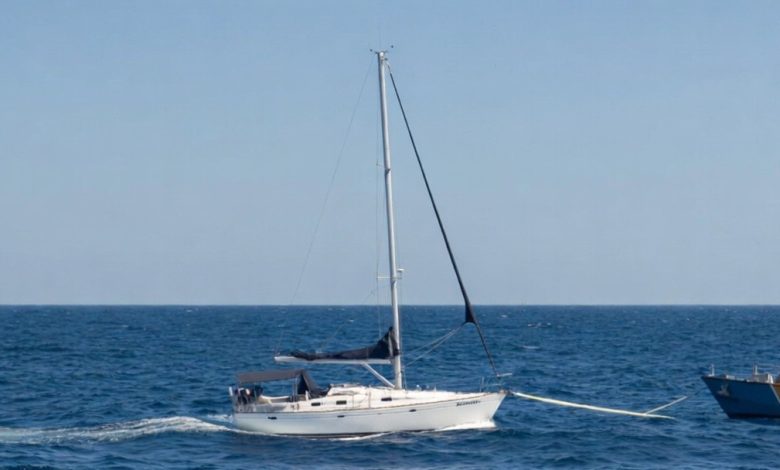
The unfolding mystery surrounding the disappearance of an American woman in the Bahamas has taken a new turn with the U.S. Coast Guard seizing the sailboat owned by her husband, Brian Hooker. This development marks a significant escalation in the investigation, raising numerous questions about the circumstances of the disappearance and the potential involvement of various parties. The seizure of the vessel, named ‘Soulmate,’ underscores the gravity with which authorities are treating the case, signaling a deeper dive into the evidence and potential clues it may hold. This article delves into the details of the case, the implications of the Coast Guard’s actions, and the broader context of maritime disappearances and investigations.
The Disappearance at Sea
The initial report of the woman’s disappearance triggered an immediate search and rescue operation in the Bahamas. Details surrounding the event remain sparse, but it is understood that Brian Hooker reported his wife missing sometime last month. The vastness of the ocean and the unpredictable nature of maritime conditions present significant challenges to investigators. Factors such as weather patterns, currents, and the time elapsed since the disappearance can all complicate the search efforts. Understanding the exact timeline of events leading up to the disappearance is crucial, yet often difficult to ascertain with complete accuracy.
Coast Guard Involvement
The U.S. Coast Guard plays a pivotal role in maritime law enforcement and search and rescue operations, particularly in international waters and areas involving U.S. citizens. Their involvement in this case highlights the potential for the disappearance to fall under U.S. jurisdiction, especially if there is suspicion of foul play or if the vessel has ties to the United States. The Coast Guard’s expertise in maritime investigations, combined with their resources and authority, makes them a critical asset in unraveling the truth behind such incidents. The Coast Guard’s station in Fort Pierce, Florida, initially confirmed the seizure before referring further inquiries to the Miami office, indicating the complexity and multi-jurisdictional nature of the investigation. The Miami office, however, has yet to release an official statement, adding to the intrigue surrounding the case.
Seizure of the ‘Soulmate’
The decision to seize the ‘Soulmate’ is a significant step, suggesting that investigators believe the vessel may contain vital evidence related to the disappearance. This could range from forensic evidence to navigational data or personal belongings that could shed light on what transpired at sea. Seizing a vessel allows investigators to conduct a thorough examination, free from potential tampering or obstruction. The process typically involves a detailed forensic analysis, including searching for traces of DNA, examining the vessel’s logs and electronic equipment, and assessing its overall condition. The location of the seizure and the method used to transport the ‘Soulmate’ to a secure facility are also critical aspects of the investigative process. The boat could hold digital evidence, much like the schools affected by the ShinyHunters breach.
Legal and Investigative Aspects
Maritime investigations are complex, often involving multiple jurisdictions and legal frameworks. Depending on where the disappearance occurred and the nationalities of those involved, the case may fall under the purview of international maritime law, U.S. law, Bahamian law, or a combination thereof. Establishing jurisdiction is a crucial first step, as it determines which agencies have the authority to investigate and prosecute potential crimes. The legal aspects can be further complicated by issues such as insurance claims, property rights, and potential civil litigation. Gathering evidence in a maritime environment presents unique challenges, as exposure to the elements can degrade or destroy critical clues. Securing the scene, collecting witness statements, and coordinating with international authorities are all essential components of a thorough investigation. The investigation may uncover the truth, or even reveal the truth behind something like the Buford’s Bar shooting.
Brian Hooker’s Background
Understanding Brian Hooker’s background is essential to providing context to the events that have transpired. His personal history, professional life, and relationship with his wife may all offer insights into the circumstances surrounding her disappearance. Any previous legal or financial issues, his experience with sailing and maritime activities, and his behavior in the aftermath of his wife’s disappearance are all factors that investigators may consider. It is important to approach such information with sensitivity and objectivity, avoiding speculation or premature judgments. His attorney’s silence adds to the mystique, as does Hooker’s inability to be reached for comment.
The Bahamas Setting
The Bahamas, with its stunning archipelago and bustling maritime traffic, is a popular destination for sailors and tourists alike. However, its vast expanse of open water and numerous uninhabited islands can also present challenges for search and rescue operations. The region’s proximity to major shipping lanes and its vulnerability to severe weather events, such as hurricanes, further complicate matters. Understanding the local maritime environment, including prevalent currents, shipping routes, and weather patterns, is crucial for investigators seeking to reconstruct the events leading up to the disappearance. Similarly, gaining insights into local customs, social dynamics, and potential criminal activity may provide valuable context for the investigation. Furthermore, the Coast Guard might consider how other countries in the region handle similar situations, such as how Taiwan reinforces its global presence.
Investigation Challenges
Investigating a disappearance at sea presents a unique set of challenges that are not typically encountered in land-based investigations. The lack of physical evidence, the vastness of the search area, and the potential for evidence to be destroyed or dispersed by the elements all contribute to the difficulty of the task. Securing reliable witness statements can also be problematic, particularly if the incident occurred in a remote location or if potential witnesses are reluctant to come forward. Coordinating with multiple agencies and jurisdictions, navigating complex legal frameworks, and managing media scrutiny are additional challenges that investigators must overcome. Overcoming these challenges requires a combination of advanced technology, specialized expertise, and unwavering determination.
Media Coverage and Public Interest
Cases involving disappearances, especially those with elements of mystery or intrigue, often attract significant media attention and public interest. The media’s role in reporting on such cases can be both beneficial and detrimental. On one hand, media coverage can help raise awareness, generate leads, and put pressure on authorities to conduct a thorough investigation. On the other hand, sensationalized reporting, speculation, and the spread of misinformation can hinder the investigation and cause undue distress to the families of those involved. Maintaining a balance between transparency and the need to protect the integrity of the investigation is a constant challenge for law enforcement agencies. Just as with the FBI ballot seizure, there is much public interest in getting to the truth.
Potential Scenarios and Theories
In the absence of concrete evidence, a range of potential scenarios and theories may emerge regarding the disappearance. These can range from accidental drownings or maritime accidents to foul play or intentional acts. It is crucial to approach these theories with skepticism and avoid jumping to conclusions until all available evidence has been thoroughly examined. Investigators must remain open to all possibilities while systematically working to eliminate or confirm each theory based on the facts. The fact that the United States is experiencing escalating issues in the Caribbean because of the drug war may also play a part in the theories, as seen in the U.S. military strikes in the Caribbean.
Expert Opinions
Consulting with experts in various fields, such as maritime law, forensic science, and marine navigation, can provide valuable insights and perspectives to assist the investigation. Maritime law experts can help navigate the complex legal issues involved, while forensic scientists can analyze evidence collected from the vessel or the surrounding area. Marine navigation experts can offer insights into potential hazards or navigational errors that may have contributed to the disappearance. Gathering diverse opinions from qualified professionals can help ensure that all possible avenues are explored and that the investigation is conducted in a thorough and objective manner.
Impact on Family and Community
The disappearance of a loved one has a profound impact on family and friends, leaving them with unanswered questions and a deep sense of grief and uncertainty. The emotional toll can be particularly severe in cases where the circumstances surrounding the disappearance are unclear or suspicious. Providing support and resources to the family, keeping them informed of the progress of the investigation, and treating them with empathy and respect are essential responsibilities of law enforcement agencies. The wider community may also be affected, especially if the disappearance has generated significant media attention or if the missing person was a prominent member of the community. This can be devastating, much like the China fireworks plant explosion.
Future of the Investigation
The seizure of the ‘Soulmate’ represents a critical juncture in the investigation. The evidence collected from the vessel will likely play a significant role in determining the next steps. Depending on the findings, investigators may choose to conduct further searches, interview additional witnesses, or pursue specific leads. The investigation may also be expanded to include international cooperation, particularly if there is evidence suggesting that the disappearance involved individuals or activities in other countries. Ultimately, the goal is to uncover the truth behind the disappearance and to provide closure to the family and friends of the missing woman. The investigation could take a long time, but is similar to the investigation of the killing of Casey Goodson Jr..
Comparative Cases
Examining other similar cases of disappearances at sea can provide valuable insights and lessons learned. Analyzing the investigative techniques used, the challenges encountered, and the outcomes achieved in those cases can help inform the current investigation and potentially identify new leads or strategies. Comparative analysis can also highlight common patterns or factors that may be relevant to the current case, such as specific types of vessels involved, geographic locations, or potential motives. While each case is unique, studying past incidents can provide a broader perspective and help investigators avoid potential pitfalls.
Conclusion
The seizure of Brian Hooker’s sailboat by the U.S. Coast Guard marks a pivotal moment in the ongoing investigation into his wife’s disappearance in the Bahamas. As investigators delve deeper into the evidence and explore all potential leads, the hope remains that the truth will emerge, providing closure to the family and shedding light on the mysterious circumstances surrounding this maritime tragedy. The complexities of maritime investigations, combined with the high level of public interest, underscore the importance of a thorough, objective, and transparent approach to uncovering the facts. Ultimately, the pursuit of justice and the search for answers will continue to drive the investigation forward. As the situation continues to unfold, it’s important to follow other news, like the news that Greene wins the Michigan Senate seat.
| Aspect | Details |
|---|---|
| Incident | Disappearance of an American woman in the Bahamas |
| Involved Parties | Brian Hooker (husband), U.S. Coast Guard |
| Vessel | ‘Soulmate’ (sailboat) |
| Key Action | Seizure of the ‘Soulmate’ by the U.S. Coast Guard |
| Legal Context | Maritime law, U.S. law, Bahamian law (potential) |
| Challenges | Vast search area, lack of physical evidence, complex jurisdiction |
| Potential Theories | Accidental drowning, maritime accident, foul play |
| Next Steps | Forensic examination of the vessel, witness interviews, international cooperation |