Hormuz Strait: France Deploys Warship Amidst Rising Tensions
Introduction
The Strait of Hormuz, a critical waterway for global oil supplies, has become a focal point of international concern due to escalating tensions and disruptions to maritime traffic. In response to these challenges, France has announced the deployment of its most powerful warship, the nuclear-powered Charles de Gaulle aircraft carrier, along with its escort vessels, to the region. This move is part of a broader initiative championed by France and Britain aimed at restoring maritime security and stability in the strait. The deployment occurs amidst stalled U.S.-Iran negotiations [cite: https://globaleprism.com/us-iran-negotiations-breakdown-why-the-2026-peace-deal-is-harder-than-it-looks/] and heightened geopolitical risks. The situation has been further complicated by the suspension of the U.S. “Project Freedom,” adding urgency to European efforts to address the crisis.
The Charles de Gaulle Deployment
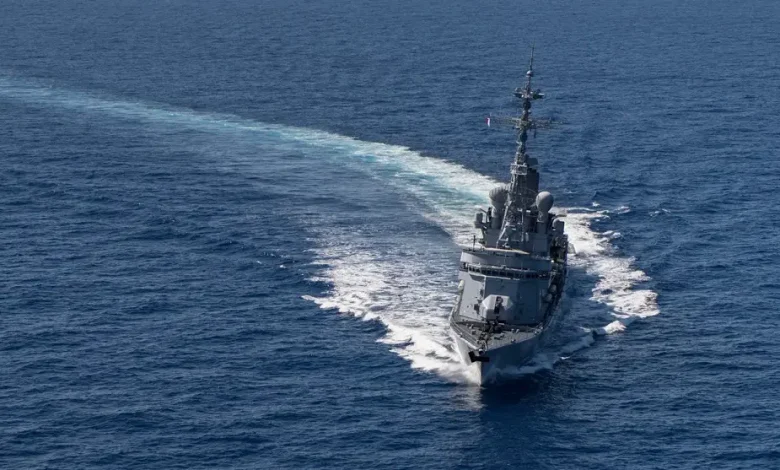
The decision to deploy the Charles de Gaulle, France’s flagship aircraft carrier, underscores the seriousness with which European powers view the situation in the Strait of Hormuz. The Charles de Gaulle is not just a symbol of French naval power but a highly capable asset equipped to conduct a range of operations, from maritime surveillance and security patrols to enforcing freedom of navigation [cite: https://globaleprism.com/superyacht-nord-navigates-hormuz-strait-amid-russian-iran-pact/]. Accompanying the aircraft carrier are several escort vessels, including frigates and support ships, providing a comprehensive security package. This deployment aims to reassure shipowners and insurers, who have become increasingly wary of operating in the region due to the elevated risks. The French deployment can be seen in the context of American energy exports hitting record highs [cite: https://globaleprism.com/american-energy-exports-hit-record-highs-amid-iran-war-fallout/].
Macron’s Diplomatic Efforts
French President Emmanuel Macron has taken a leading role in addressing the crisis through diplomatic channels. He has engaged in direct talks with both Iranian President Masoud Pezeshkian and U.S. President Donald Trump, seeking to de-escalate tensions and find a path towards a resolution. Macron emphasized that restoring calm in the Strait of Hormuz is crucial for advancing negotiations on critical issues such as nuclear proliferation, ballistic missile programs, and the broader regional security situation. His efforts reflect a broader European commitment to playing a constructive role in resolving the crisis and preventing further escalation. The potential impacts of the Iranian blockade continue to be debated [cite: https://globaleprism.com/iran-blockade-standoff-continues-as-trump-rejects-peace-plan/].
The Hormuz Coalition
The deployment of the Charles de Gaulle is part of a larger coalition effort initiated by France and Britain, involving over 50 nations, to enhance maritime security in the Strait of Hormuz. This coalition aims to provide a coordinated response to threats to shipping and ensure the safe passage of vessels through the vital waterway. The coalition seeks to foster cooperation and information sharing among participating nations, enhancing their collective ability to deter and respond to potential threats. This collaborative approach underscores the international community’s shared interest in maintaining stability and freedom of navigation in the region. Russia has come out in defense of Iran’s position on Hormuz control [cite: https://globaleprism.com/russia-backs-iran-un-envoy-defends-hormuz-control/].
Challenges and Thresholds
Despite the deployment of naval forces and diplomatic efforts, significant challenges remain in restoring maritime security in the Strait of Hormuz. Col. Guillaume Vernet, spokesperson for the French armed forces chief of staff, has outlined two key thresholds that must be met before the Hormuz coalition can commence full operations. First, the threat to shipping must be demonstrably reduced. This requires a de-escalation of tensions and a commitment from all parties to refrain from actions that could endanger vessels transiting the strait. Second, the maritime industry must be sufficiently reassured to resume normal operations. This involves building confidence among shipowners and insurers that the risks have been mitigated to an acceptable level. Achieving these thresholds will require sustained efforts and a commitment to de-escalation from all stakeholders.
Comparison with U.S. ‘Project Freedom’
The French and British-led initiative is distinct from the U.S. “Project Freedom,” which was recently paused by President Trump. While both initiatives share the common goal of ensuring maritime security in the Strait of Hormuz, they differ in their approach and scope. “Project Freedom” was primarily a U.S.-led effort, whereas the European initiative emphasizes a broader international coalition. Furthermore, the European approach appears to prioritize diplomatic engagement and de-escalation, while “Project Freedom” was perceived by some as a more assertive military posture. The contrast between these two initiatives highlights the different perspectives and priorities of the key actors involved in addressing the crisis.
Impact on Global Oil Market
The disruptions in the Strait of Hormuz have had a significant impact on the global oil market, leading to increased price volatility and concerns about supply shortages. The International Energy Agency (IEA) has described the situation as the largest supply disruption in the history of the global oil market. The strait is a critical chokepoint through which a substantial portion of the world’s oil supply passes, and any disruption to traffic can have immediate and far-reaching consequences. The deployment of naval forces and diplomatic efforts aims to mitigate these risks and ensure the continued flow of oil to global markets. Further escalation could lead to a uranium crisis [cite: https://globaleprism.com/uranium-crisis-3-scenarios-post-u-s-iran-nuclear-strikes/].
Maritime Security Concerns
Maritime security concerns in the Strait of Hormuz extend beyond the immediate threat to commercial shipping. The region has also witnessed an increase in piracy, armed robbery, and other illicit activities, further complicating the security landscape. These challenges require a comprehensive approach that addresses both the immediate threats to shipping and the underlying factors that contribute to instability. The presence of naval forces and increased surveillance can help deter these activities, but long-term solutions will require addressing the root causes of insecurity and promoting regional cooperation. The situation is further strained by concerns for Lebanese Christians trapped in the security zone [cite: https://globaleprism.com/lebanese-christians-trapped-in-security-zone-amid-crossfire/].
Potential for Negotiations
President Macron has emphasized that restoring calm in the Strait of Hormuz can create a more conducive environment for broader negotiations on critical issues such as nuclear proliferation, ballistic missile programs, and regional security. These negotiations could involve multiple parties, including Iran, the United States, European powers, and regional actors. Progress on these issues would not only reduce tensions in the region but also address some of the underlying causes of instability. However, significant obstacles remain, and any successful negotiation will require a commitment to dialogue and compromise from all parties involved. The Iranian leadership remains divided on the issue of US talks [cite: https://globaleprism.com/iran-leadership-divide-internal-cracks-stall-us-talks/].
Europe’s Role
Europe’s involvement in the Strait of Hormuz crisis reflects a broader commitment to maintaining stability and security in the region. European powers have a significant stake in ensuring the continued flow of oil and trade through the strait, and they have been actively engaged in diplomatic efforts to de-escalate tensions and promote dialogue. The deployment of the Charles de Gaulle and the formation of the Hormuz coalition demonstrate Europe’s willingness to take concrete action to address the challenges in the region. Europe’s role in the crisis is likely to continue to evolve as the situation unfolds, and its engagement will be critical to finding a sustainable solution.
Regional Implications
The crisis in the Strait of Hormuz has far-reaching regional implications, affecting not only the immediate littoral states but also the broader Middle East and beyond. The tensions in the strait are intertwined with other regional conflicts and rivalries, further complicating the security landscape. A sustained escalation of tensions could have a destabilizing effect on the entire region, potentially leading to further conflicts and humanitarian crises. Addressing the crisis in the Strait of Hormuz will require a comprehensive approach that takes into account the broader regional context and seeks to promote stability and cooperation among all stakeholders. The situation remains sensitive, as demonstrated by recent strikes in the Beqaa Valley [cite: https://globaleprism.com/beqaa-valley-strikes-idf-hits-20-hezbollah-targets-amid-truce-claims/].
Conclusion
The deployment of the Charles de Gaulle warship by France represents a significant effort to restore maritime security in the Strait of Hormuz amidst rising tensions and disruptions to global oil supplies. This initiative, part of a broader coalition with Britain and other nations, aims to reassure shipowners and insurers while broader diplomatic efforts are underway. The situation is complex, with multiple challenges needing to be addressed, including reducing threats to shipping and fostering an environment conducive to negotiation. The Strait of Hormuz remains a critical chokepoint, and its stability is vital for the global economy and regional security. The actions taken by France and other European powers reflect a commitment to playing a constructive role in resolving this crisis and preventing further escalation. A return to calm in the Strait of Hormuz will require sustained efforts and a commitment to dialogue and cooperation from all parties involved.
| Initiative | Lead | Scope | Primary Focus | Key Objectives |
|---|---|---|---|---|
| French/British Coalition | France & Britain | International Coalition | Maritime Security & Diplomacy | Restore confidence, de-escalate tensions, promote negotiations |
| U.S. Project Freedom | United States | U.S.-led | Maritime Security | Ensure freedom of navigation (currently paused) |
For additional context, refer to the International Energy Agency’s official website.