FBI Ballot Seizure: Judge Denies Fulton County’s Request, Cites Flaws
Introduction
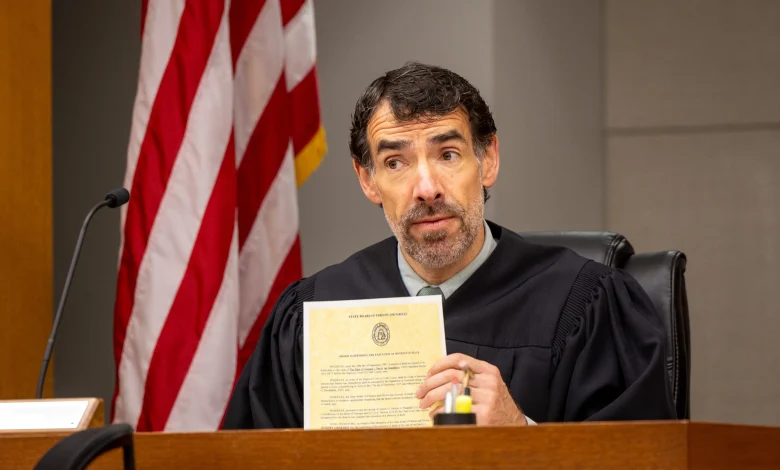
In a recent ruling, a U.S. District Judge, J.P. Boulee, has denied Fulton County’s request for the Federal Bureau of Investigation (FBI) to return election records seized on January 28. The decision, outlined in a comprehensive 68-page order, acknowledged flaws in the FBI’s handling of the seizure but concluded that the county had not provided sufficient evidence to prove that their rights were “callously disregarded.” This legal standard is crucial in determining the outcome of the case. While the judge criticized the FBI’s methods, he ultimately determined that Fulton County had not demonstrated a clear need for the ballots’ immediate return or proven that the county would suffer irreparable harm without them. The case unfolds against the backdrop of ongoing national debates about election integrity and security, particularly concerning claims made by former President Donald Trump about the 2020 election results.
The Court Ruling
Judge Boulee’s ruling centered on the legal threshold required to compel the return of seized materials. He found that Fulton County did not meet the burden of proof to show that their rights were callously disregarded. This high legal bar requires demonstrating not just that the seizure was flawed but that it was conducted with a reckless disregard for the county’s rights and interests. The judge’s decision hinged on the evaluation of evidence presented by Fulton County, which aimed to illustrate the necessity of the ballots for ongoing county operations and the potential damage caused by their continued absence. However, the court found this evidence lacking, leading to the denial of the county’s request. This ruling underscores the judiciary’s role in balancing law enforcement’s investigative powers with the rights of local governments and the importance of meeting specific legal standards in such disputes.
Judge Boulee’s Criticisms
Despite denying Fulton County’s request, Judge Boulee did not hold back in his critique of the FBI’s actions. He described the events leading up to the case as “unprecedented” and noted that “the seizure in this case was certainly not perfect.” These criticisms highlight concerns about the process by which the FBI obtained the ballots, particularly in a state where the integrity of the 2020 election has been a contentious issue. The judge’s remarks suggest potential procedural missteps or overreach in the execution of the warrant. These criticisms are significant because they raise questions about the FBI’s conduct and the potential for similar issues in future investigations related to election records. The comments also provide ammunition for those who argue that the investigation was politically motivated or conducted without proper oversight. The specificity of Judge Boulee’s criticisms, while not sufficient to overturn the seizure, underscores the importance of adhering to strict legal and procedural standards in investigations concerning election integrity.
Fulton County’s Response
Fulton County Board of Commissioners Chair Robb Pitts expressed strong disagreement with the court’s decision, stating that the county intends “to pursue all available legal options”. Pitts echoed Judge Boulee’s concerns about the FBI’s warrant, describing it as “defective,” “problematic,” and “troubling.” However, he emphasized his disagreement with the denial of the request to return the seized election records. This response signals a continued legal battle, as Fulton County seeks to regain control of the materials. The county’s decision to pursue further legal action indicates the high stakes involved and the importance of these records to county officials. Pitts’ statement also reflects the broader political context, in which any perceived mishandling of election records can fuel distrust and controversy. The legal challenge may involve appealing the district court’s decision to a higher court, where the county will likely argue that the lower court erred in its assessment of the evidence and the applicable legal standards.
Legal Standards and Evidence
The legal standard of “callously disregarded” is a high bar to meet, requiring more than just a showing that the seizure was improper. Fulton County needed to demonstrate that the FBI acted with a reckless or intentional disregard for the county’s rights. This standard is designed to protect law enforcement’s ability to conduct investigations without undue interference, while also safeguarding against abuses of power. To meet this standard, Fulton County likely presented evidence such as internal communications, expert testimony, or procedural irregularities to argue that the FBI’s actions were not just flawed but indicative of a deliberate disregard for the county’s rights. The court’s determination that this evidence was insufficient highlights the difficulty in proving such a claim and the deference typically given to law enforcement in the execution of warrants. The legal analysis in this case underscores the complex interplay between investigative powers and constitutional rights, particularly in the context of sensitive matters such as election records. The Fed’s Treasury Buys Echoes of 2008 Risks in 2026 [cite].
The Seizure Warrant
The specifics of the FBI’s seizure warrant are critical to understanding the legal issues at play. A warrant must be based on probable cause, supported by oath or affirmation, and particularly describe the place to be searched and the items to be seized. Judge Boulee’s criticisms of the warrant suggest that it may have been deficient in some of these respects. For example, the warrant might have been overly broad, lacking sufficient specificity in describing the records to be seized, or based on questionable evidence. These deficiencies, while not enough to compel the return of the ballots, raise concerns about the process by which the warrant was obtained and executed. Challenges to the validity of a warrant often involve examining the affidavit submitted by law enforcement to the judge or magistrate who issued the warrant. This affidavit must provide a sufficient factual basis to establish probable cause, and any misrepresentations or omissions can undermine the warrant’s validity. The legal scrutiny of the warrant in this case underscores the importance of adhering to constitutional requirements in conducting searches and seizures, particularly when dealing with sensitive materials such as election records.
Implications for Future Elections
This case has significant implications for how election records are handled and investigated in the future. The ruling reinforces the importance of adhering to strict legal standards when seizing election materials and highlights the potential for legal challenges when those standards are not met. The criticisms leveled against the FBI’s actions may lead to greater scrutiny of law enforcement’s role in election-related investigations, potentially prompting reforms or policy changes to ensure transparency and accountability. The case also underscores the need for clear protocols and guidelines for handling election records, to prevent future disputes and ensure the integrity of the electoral process. The controversy surrounding this case could also influence public perception of election integrity, potentially exacerbating existing divisions and distrust. Therefore, it is essential for policymakers and election officials to address the concerns raised by this case and take proactive steps to safeguard the integrity of future elections. Amidst these concerns, the potential applications of Mythos AI Cyberattacks: Anthropic’s Tool Redefines Warfare [cite].
Broader Context of Election Integrity
The legal battle over the seized Fulton County ballots occurs within a broader national conversation about election integrity. Claims of widespread voter fraud and irregularities in the 2020 election have fueled partisan divisions and led to numerous legal challenges and audits. This case is just one facet of this larger debate, and the outcome could have far-reaching implications for public trust in the electoral process. The controversy surrounding the seizure of the ballots highlights the sensitivity of election records and the potential for these materials to become embroiled in political disputes. The legal and political challenges surrounding election integrity underscore the need for reforms to enhance transparency, security, and public confidence in the electoral process. These reforms could include measures such as enhanced voter ID laws, improved auditing procedures, and stricter penalties for election-related crimes. Addressing these issues is critical to preserving the integrity of democracy and ensuring that all citizens have faith in the fairness and accuracy of elections.
Expert Opinions and Analysis
Legal experts have offered various perspectives on the Fulton County case. Some argue that Judge Boulee’s decision was a reasonable application of existing legal standards, given the high burden of proof required to compel the return of seized materials. Others contend that the judge should have given greater weight to the concerns about the FBI’s actions and the potential impact on Fulton County’s operations. Some experts have also raised questions about the political motivations behind the investigation and the potential for the Justice Department to be used for partisan purposes. These differing opinions reflect the complexity of the legal and political issues at play and the lack of consensus on how to balance law enforcement’s investigative powers with the rights of local governments. The expert analysis underscores the need for a thorough and impartial review of the facts and circumstances surrounding the case, to ensure that justice is served and that the integrity of the electoral process is protected. As this case continues, the impact of the Kaan Fighter Jet: Turkey Challenges Israel’s F-35 Advantage [cite] could introduce additional layers of complexity to the geopolitical landscape.
Potential Legal Challenges
Fulton County’s decision to pursue all available legal options suggests that they may appeal Judge Boulee’s ruling to a higher court. On appeal, the county could argue that the district court erred in its assessment of the evidence, misapplied the relevant legal standards, or failed to give sufficient weight to the concerns about the FBI’s actions. The appellate court would review the district court’s decision de novo, meaning that it would not be bound by the lower court’s findings of fact or conclusions of law. The appellate court could affirm the district court’s decision, reverse it, or remand the case for further proceedings. The outcome of the appeal will likely depend on the specific arguments raised by Fulton County and the appellate court’s interpretation of the relevant legal standards and precedents. The legal challenges in this case could also extend beyond the immediate dispute over the seized ballots, potentially leading to broader litigation over election procedures and the role of law enforcement in election-related investigations. The situation unfolds as Netanyahu Demands Lebanon Security Zone Before Peace Talks [cite].
The Political Backdrop
The case is inherently intertwined with the highly charged political atmosphere surrounding U.S. elections. Former President Donald Trump’s persistent claims of election fraud in 2020 have created a climate of distrust and skepticism, particularly among his supporters. The seizure of ballots in a state that Trump narrowly lost has fueled conspiracy theories and further divided the country along partisan lines. The legal and political challenges surrounding this case underscore the need for leaders to promote unity and respect for the democratic process. It is essential for policymakers to address the concerns raised by this case in a manner that is fair, transparent, and consistent with the rule of law. Failure to do so could further erode public trust in the electoral system and undermine the foundations of democracy. The resolution of this case will likely have significant implications for the future of American politics and the integrity of elections.
Comparison of Election Record Handling Procedures
Different states and counties have varying procedures for handling and securing election records. A comparison of these procedures can highlight best practices and potential areas for improvement. Some jurisdictions use advanced technology, such as blockchain, to secure election data and prevent tampering. Others rely on more traditional methods, such as paper ballots and manual audits. The security measures implemented by Fulton County will likely be scrutinized in this case, to determine whether they were adequate to protect the integrity of the election records. The legal and political challenges surrounding this case could prompt a broader review of election record handling procedures across the country, leading to the adoption of more uniform and secure practices. As various regions adapt, concerns about Iran Halts U.S. Talks Over Blockade and Trump Demands [cite] could affect international perceptions of U.S. stability.
| Procedure | Description | Fulton County | Other Counties |
|---|---|---|---|
| Ballot Storage | Method of storing physical ballots | Under Review | Varying |
| Digital Security | Protocols for securing electronic records | Under Review | Varying |
| Audit Process | Process for auditing election results | Under Review | Varying |
Conclusion
The denial of Fulton County’s request for the return of seized election records marks another chapter in the ongoing saga of election disputes in the United States. While the court acknowledged flaws in the FBI’s handling of the seizure, it ultimately found that the county had not met the high legal bar required to compel the return of the materials. The case highlights the complex interplay between law enforcement’s investigative powers and the rights of local governments, as well as the sensitivity of election records in a politically charged environment. As Fulton County considers its next legal steps, the broader implications of this case for future elections and public trust in the electoral process remain to be seen. Moving forward, it is essential for policymakers, election officials, and law enforcement to work together to ensure the integrity and security of elections while safeguarding constitutional rights. The ongoing debate will likely continue to shape the political landscape and influence public discourse on the future of American democracy. External Link: FBI Official Website