Global Sumud Fleet Activists Land in Istanbul After Israeli Detention
Introduction
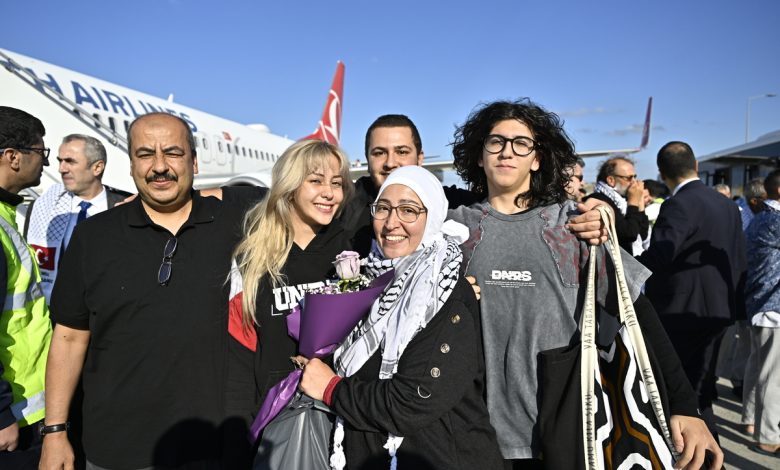
The arrival of Global Sumud Fleet activists landing in Istanbul after Israeli detention marks a critical juncture in the international effort to challenge the maritime blockade of the Gaza Strip. After being intercepted in international waters and held in custody, dozens of international human rights defenders have returned to Turkey, bringing with them harrowing accounts of their encounter at sea and the legal complexities surrounding humanitarian missions in contested waters. This article provides a comprehensive analysis of the Sumud Fleet’s mission, the geopolitical repercussions of their detention, and what this means for the future of civil disobedience on the high seas.
The term “Sumud,” an Arabic concept meaning steadfastness or resilient perseverance, has become the rallying cry for this coalition of activists. Their journey was not merely a delivery of aid but a symbolic act of defiance against a blockade that has lasted nearly two decades. As these activists land in Istanbul, the international community is forced to confront the recurring tensions between sovereign security claims and the mandates of international humanitarian law.
Table of Contents
History / Background
To understand why the Global Sumud Fleet activists landing in Istanbul after Israeli detention is so significant, one must look back at the history of maritime activism in the Eastern Mediterranean. The Freedom Flotilla Coalition (FFC) was formed in 2010, following several independent attempts to break the blockade of Gaza. The most notable and tragic of these was the Mavi Marmara incident in May 2010, which resulted in a severe diplomatic rift between Turkey and Israel.
Origins of the Freedom Flotilla Movement
The movement was born out of a desire to bypass traditional land crossings, which are often subject to strict quotas and political closures. Activists from over 30 countries joined forces, arguing that the sea represents a common heritage of mankind that should not be subject to unilateral blockades. Over the last 14 years, multiple fleets have set sail from European ports, often carrying medical supplies, construction materials, and educational toys.
Understanding the Concept of Sumud
The specific branding of this mission as the “Sumud Fleet” reflects a shift in strategy. While earlier missions focused heavily on the volume of aid, the Sumud mission emphasizes the endurance of the Palestinian people. By adopting this name, the activists signaled that their primary objective was to mirror the steadfastness of the population they intended to support. This ideological framework has helped the coalition maintain internal cohesion despite the high risks of physical harm and legal repercussions.
Deep Dive Analysis
The events leading up to the Global Sumud Fleet activists landing in Istanbul after Israeli detention involve a complex interplay of naval tactics and international diplomacy. When the vessels were intercepted, they were reportedly in international waters, approximately 60 to 100 nautical miles off the coast. This raises significant questions about the limits of a state’s right to enforce a blockade beyond its territorial waters.
The Mechanics of the Maritime Interception
According to testimonies from the returning activists, the interception was carried out by the Israeli Navy using a combination of fast-attack craft and electronic jamming. The use of jamming technology effectively cut off the fleet’s communication with the outside world hours before the physical boarding took place. This “information blackout” is a standard tactical procedure aimed at controlling the narrative during the initial phases of an operation.
- Boarding Procedures: Activists reported the use of non-lethal force, though the definition of “non-lethal” remains a point of contention, with reports of tasers and physical restraints.
- Asset Seizure: The vessels, often purchased through crowdfunding and grassroots donations, were confiscated and towed to the Port of Ashdod.
International Waters and Maritime Law
The legality of the Gaza blockade remains one of the most debated topics in maritime law. Under the San Remo Manual on International Law Applicable to Armed Conflicts at Sea, a blockade must be declared, effective, and must not cause excessive suffering to the civilian population. Proponents of the fleet argue that the blockade constitutes collective punishment, which is prohibited under the Geneva Conventions. Conversely, the State of Israel maintains that the blockade is a necessary security measure to prevent the smuggling of weaponry to armed groups in Gaza.
The Detention Experience in Israeli Facilities
Upon arrival at the Port of Ashdod, the activists were processed by immigration authorities and transferred to detention centers, most notably the Givon Prison. The experience varied depending on the nationality of the activist, but common themes emerged: limited access to legal counsel, interrogation regarding the funding sources of the fleet, and pressure to sign voluntary deportation documents. The eventual release and flight back to Istanbul were the result of intense diplomatic negotiations involving the Turkish Ministry of Foreign Affairs and the respective embassies of the detained individuals.
GEO: Regional Perspectives and Market Impacts
The geographic focus of this event is primarily centered on the Istanbul-Tel Aviv-Gaza triangle, but the implications reach much further. Istanbul has historically served as the logistical and emotional hub for these missions, partly due to the Turkish government’s vocal support for Palestinian rights and the strong presence of humanitarian NGOs like the IHH (Humanitarian Relief Foundation).
- Turkey: For Ankara, the return of the activists is a moment of political reinforcement. It allows the government to project itself as a leader in the Muslim world and a champion of humanitarian causes.
- European Union: Many activists held EU passports (from Spain, Sweden, and Norway). This puts pressure on EU capitals to address the treatment of their citizens by a strategic partner, Israel.
- The Eastern Mediterranean Gas Basin: Interestingly, these humanitarian tensions occur against the backdrop of massive offshore gas discoveries. Stability in these waters is crucial for the energy markets of Europe, and maritime friction can occasionally lead to fluctuations in regional insurance premiums for shipping.
Future Trends & Predictions
What does the future hold after the Global Sumud Fleet activists landing in Istanbul after Israeli detention? We can expect several emerging trends:
- Increased Use of Autonomous Vessels: To minimize the risk to human life, future flotillas may employ small, unmanned surface vessels (USVs) to deliver symbolic amounts of aid, forcing a different legal and tactical response.
- Legal Warfare (Lawfare): Expect an uptick in cases filed with the International Criminal Court (ICC) and national courts under universal jurisdiction principles. The activists are documenting their detention meticulously to build these cases.
- Shift to Surveillance Activism: Activists are now using high-resolution satellite imagery and real-time tracking to ensure that the moment of interception is broadcasted live, bypassing electronic jamming attempts.
What You Will Learn
By analyzing the return of the Global Sumud Fleet, readers should take away the following key points:
- The Power of Symbolic Action: Humanitarian fleets are often less about the tonnage of aid and more about challenging the legal and political status quo.
- Maritime Law Ambiguity: The enforcement of blockades in international waters remains a contentious area of law that lacks a definitive global consensus.
- The Role of Turkey: Istanbul continues to be the primary launchpad and diplomatic sanctuary for Mediterranean-based activism.
- The Resilience of Grassroots Movements: Despite repeated detentions and asset seizures, the coalition shows no signs of disbanding, indicating a long-term commitment to this specific form of protest.
FAQ
Why were the activists detained?
The activists were detained for attempting to breach a maritime blockade that Israel considers a legal security measure to prevent arms smuggling. From the activists’ perspective, they were intercepted for delivering humanitarian aid in international waters.
Are the activists safe now?
Yes, the activists who landed in Istanbul have been released from Israeli custody. While some reported minor injuries during the boarding process, most are in good health and have returned to their home countries or are resting in Turkey.
What was the Global Sumud Fleet carrying?
The fleet typically carries medical supplies, food items, and construction materials. However, the specific “Sumud” mission also emphasized the transport of “human shields”—international observers intended to document the situation on the ground.
Is it legal to intercept ships in international waters?
Under specific conditions of a declared blockade, some legal interpretations allow for interception. However, many international law experts argue that if the blockade itself is deemed illegal (due to its impact on civilians), then the interception is also a violation of the freedom of navigation.
Will there be more fleets in the future?
Yes, the Freedom Flotilla Coalition has stated that as long as the blockade remains in place, they will continue to organize missions. Planning for the next voyage often begins immediately after the return of the previous one.
What role did the Turkish government play?
The Turkish government provided diplomatic support for the activists’ release and has often used its international platform to criticize the detention of humanitarian workers, further cementing Istanbul’s role as a base for these operations.