Ust-Luga Port Fire Again: Major Russian Hub Disrupted
Ust-Luga Port Fire: Comprehensive Incident Overview
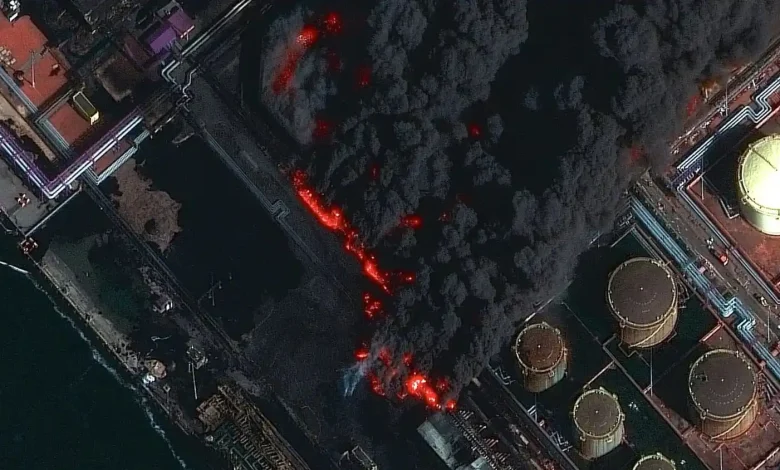
The immediate details of the current blaze indicate a massive ignition at a primary hydrocarbon processing and loading terminal within the expansive Ust-Luga complex. Initial reports suggest that several critical storage tanks and a major fractionation unit—responsible for converting stable gas condensate into light and heavy naphtha, jet fuel, ship fuel, and gasoil—were severely compromised. Emergency response protocols were activated instantly, prompting the evacuation of hundreds of port personnel and the immediate suspension of all tanker loading operations at adjacent berths.
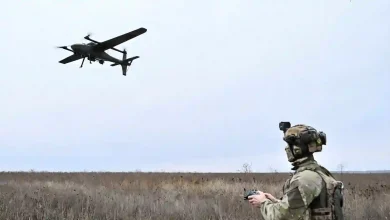
Firefighting tugs, specialized chemical retardant teams, and regional emergency ministries have been deployed to contain the inferno and prevent its spread to neighboring highly volatile chemical storage zones. The sheer scale of the Ust-Luga facility complicates firefighting efforts; it spans thousands of hectares and features complex, interconnected pipelines that transport highly flammable materials. Investigators and intelligence analysts are currently assessing the root cause, heavily scrutinizing the possibility of long-range aerial drone strikes, given the facility’s history of being targeted in the ongoing regional conflict. The temporary closure of the port constitutes a major blow to daily export volumes, creating an immediate backlog of international shipping vessels anchored in the Baltic Sea waiting for operational clearance.
The Strategic Importance to Russia and Europe
Understanding the magnitude of this disruption requires analyzing the unparalleled strategic importance of Ust-Luga. Unlike older, more constrained ports, Ust-Luga is a deep-water, multi-purpose, year-round maritime hub designed to bypass traditional transit states and provide Russia with direct, unhindered access to European and global maritime routes. It is the largest port on the Baltic Sea by cargo turnover, handling upwards of 100 million tonnes of freight annually.
For Europe, despite shifting trade dynamics and stringent geopolitical sanctions, Ust-Luga has historically remained a vital nexus for the transit of agricultural products, specific raw materials, and complex energy derivatives that still find their way into global circulation. The port features specialized terminals for almost every major commodity class: an oil terminal at the end of the Baltic Pipeline System-II (BPS-2), a massive coal handling facility, an LNG production and export terminal, and extensive roll-on/roll-off (Ro-Ro) cargo facilities. Any disruption at this singular node creates a massive bottleneck, forcing vessels to reroute to smaller, less efficient ports like Primorsk or the heavily congested inner terminals of St. Petersburg.
Energy Market Disruptions: LNG and Oil Volatility
The energy sector is bearing the immediate brunt of the Ust-Luga fire. The facility is not just a transit point; it is a vital processing center where gas condensate is refined into high-value export fuels. The sudden halt in naphtha and jet fuel exports severely tightens supply in an already stressed global market. Consequently, benchmark crude oil prices, including Brent and WTI, frequently experience noticeable risk-premium spikes following news of infrastructure damage at Ust-Luga.
Asian and European buyers relying on spot cargoes of LNG and refined petroleum products are forced to scramble for alternative suppliers, leading to increased freight rates and localized price surges. In periods of extreme geopolitical tension, these infrastructure disruptions intersect directly with broader macroeconomic trends. For instance, as traditional markets face extreme volatility, institutional investors often rebalance their portfolios, exploring alternative assets to hedge against energy-driven inflation; a dynamic deeply explored in contemporary analyses of the crypto market today. The interplay between physical energy disruption and digital asset hedging is becoming increasingly prominent in modern financial strategy.
Timeline of Disruptions and Infrastructural Vulnerability
This is not the first time Ust-Luga has faced catastrophic operational halts. The port has been the site of recurring incidents, raising serious questions about the long-term viability and security of the complex.
| Incident Period | Facility Targeted/Affected | Primary Cause / Suspected Origin | Estimated Market Impact |
|---|---|---|---|
| January 2024 | Novatek Gas Condensate Terminal | Confirmed Unmanned Aerial Vehicle (Drone) Strike | Multi-week suspension of naphtha exports; global price spike. |
| Mid-2025 | Chemical & Fertilizer Storage Sector | Industrial Accident / Suspected Sabotage | Significant delays in agricultural exports; localized evacuation. |
| March 2026 (Current) | Hydrocarbon Fractionation & Oil Loading Berths | Under Investigation (Suspected Drone/Missile Strike) | Total halt of immediate tanker loading; massive BPS-2 supply chain disruption. |
Geopolitical Consequences in the Baltic Sea
The recurring fires at Ust-Luga act as a stark reminder of the fragile geopolitical equilibrium in the Baltic Sea. With the expansion of NATO to include Finland and Sweden, the Baltic has been colloquially dubbed a ‘NATO lake,’ leaving Russian enclaves and critical ports like Ust-Luga and Kaliningrad feeling highly exposed and strategically isolated. The ability of hostile actors or asymmetric military forces to repeatedly strike a facility located over 800 kilometers from the nearest active combat zone demonstrates a severe intelligence and air-defense failure.
Furthermore, these attacks intersect heavily with the shifting political landscape in Western capitals. For example, changes in U.S. foreign policy and election cycles heavily dictate the level of military aid and tacit approval given for deep-strike capabilities into Russian territory. Readers analyzing international relations can see parallels between this localized maritime crisis and the broader Donald Trump news 2026 geopolitical shifts, which emphasize aggressive recalculations in global alliances, sanctions enforcement, and energy dominance. If major global powers alter their stance on the war, the frequency and intensity of strikes on hubs like Ust-Luga could shift dramatically.
Environmental Concerns in the Gulf of Finland
Beyond the geopolitical and economic headlines lies a profound ecological threat. The Gulf of Finland is a shallow, delicate, and enclosed marine ecosystem heavily monitored by the Helsinki Commission (HELCOM). A massive fire at a hydrocarbon facility carries an extreme risk of highly toxic chemical runoff, oil spills, and severe atmospheric pollution. When massive volumes of gas condensate and crude oil burn, they release dense particulate matter, sulfur oxides, and nitrogen oxides that settle over the Baltic waters, threatening commercial fisheries, migratory bird populations, and the overall marine biodiversity. The environmental clean-up costs and the long-term ecological damage often outweigh the immediate infrastructural losses.
Cascading Global Supply Chain Impacts
The modern global supply chain operates on precise, just-in-time logistical models that cannot easily absorb the sudden loss of a mega-port. When Ust-Luga goes offline, the cascade effect is felt worldwide. Ice-class tankers bound for Asian markets via the Northern Sea Route are delayed. Ro-Ro cargo vessels carrying heavy machinery and automotive parts are forced to anchor, paying exorbitant daily demurrage fees.
These physical delays heavily impact inflation and consumer goods pricing globally. In an era where technological giants are aggressively optimizing logistics—such as the Amazon 2026 delivery revolution, which relies on frictionless global trade and predictive AI to map out maritime shipping delays—the loss of a port like Ust-Luga forces automated systems to entirely reroute massive segments of transcontinental cargo. Furthermore, maritime insurance premiums for vessels operating in the eastern Baltic Sea surge to unprecedented heights, passing millions of dollars in ‘war risk’ premiums onto the end consumer.
Economic Fallout and Reconstruction Challenges
Rebuilding heavily damaged fractionation towers, specialized cryogenic LNG loading arms, and complex pipeline manifolds is neither quick nor cheap. It requires specialized engineering components that are often sourced from Western firms—components that are currently heavily restricted under international sanctions. Consequently, the economic fallout is twofold: lost export revenue amounting to tens of millions of dollars per day, and the immense capital expenditure required to source black-market or inferior domestic alternatives for rebuilding.
This economic pressure also influences global commodity exchanges. As physical infrastructure crumbles and fiat currency values fluctuate due to economic stress, traditional safe-haven assets see a massive influx of capital. Investors looking to preserve wealth amidst the physical destruction of energy assets closely monitor precious metals; a phenomenon thoroughly documented in current silver price today market analysis, illustrating how industrial and geopolitical shocks invariably push capital toward tangible, historically stable commodities.
Military and Defense Implications for Critical Infrastructure
From a defense perspective, the repeated targeting of Ust-Luga highlights a radical shift in modern warfare doctrine. Asymmetric warfare heavily relies on cheap, long-range loitering munitions and unmanned aerial vehicles to bypass multi-billion-dollar conventional air defense umbrellas like the S-400 systems stationed around St. Petersburg. The Russian military apparatus is now forced into a strategic dilemma: either continue focusing air defense assets on the frontlines, leaving vital economic engines like Ust-Luga completely exposed, or pull vital defense systems back to the mainland to protect the economy, thereby weakening their forward operational capabilities. For insights into how international shipping organizations track these defense failures, independent analysts frequently consult resources like Reuters for real-time updates on maritime security zones and drone activity over the Baltic.
What is Next for Regional Maritime Security?
The continuing blazes at the Ust-Luga port symbolize much more than a localized industrial disaster; they represent the fragile intersection of global energy dependence, military vulnerability, and ecological risk. Until comprehensive security measures—such as advanced electronic warfare jamming networks and physical anti-drone netting—are successfully deployed across the millions of square feet of pipelines and tanks, the port will remain a massive, volatile target. The international community, maritime insurers, and global energy traders must now permanently price in the operational risk of the Ust-Luga terminal. As long as geopolitical hostilities persist, the shadow of disruption will continuously loom over the Gulf of Finland, threatening to plunge global supply chains back into chaos with a single, precisely placed spark.