Patio furniture deals: 2026 Savings and Market Guide
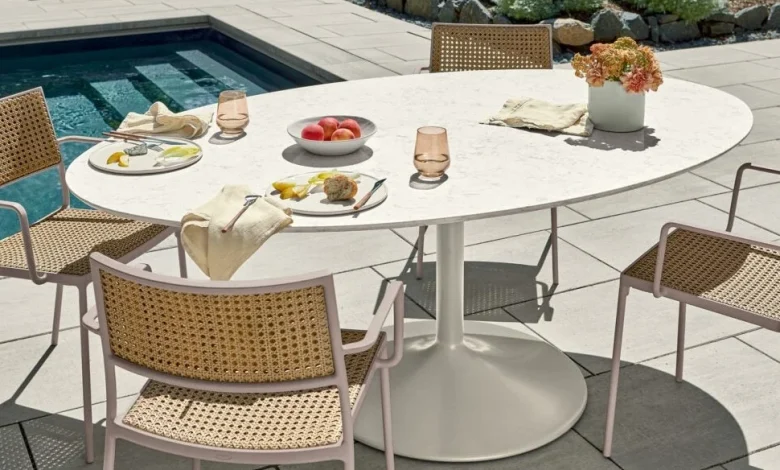
Patio furniture deals are currently experiencing an unprecedented surge in availability and discount depth across global markets as we navigate the retail environment of 2026. For homeowners and renters alike, this marks a profound opportunity to revitalize outdoor living spaces without the exorbitant costs typically associated with high-end exterior design. The convergence of stabilized global supply chains, an overestimation of consumer demand by major manufacturers during the previous fiscal year, and aggressive competitive strategies among top-tier retailers has created a buyer’s market of historic proportions. Whether you are searching for a complete dining set to host summer evening gatherings, a plush modular sectional for relaxed weekend afternoons, or minimalist bistro arrangements for urban balconies, the current landscape of promotions offers something for every aesthetic preference and financial constraint. Industry analysts note that these price reductions are not merely clearing out obsolete or defective stock; rather, consumers have direct access to premium, weather-resistant materials at a fraction of their standard retail valuation. Historically, acquiring robust, weather-defying outdoor seating and dining elements required a substantial financial investment. However, due to shifting economic tides, top manufacturers are currently prioritizing inventory turnover, leading to staggering markdowns. This means that middle-tier budgets can now access top-tier quality, elevating the standard of backyard aesthetics across the board.
The Current Landscape of Outdoor Savings
The market dynamics defining outdoor furniture sales today are fascinatingly complex, blending post-pandemic manufacturing adjustments with new consumer lifestyle priorities. Following years of unpredictable material shortages and inflated shipping container costs, the logistics network has not only recovered but has achieved hyper-efficiency. Consequently, warehouses are brimming with high-quality inventory that retailers are highly motivated to move. This urgency translates directly into profound savings for the end consumer. Seasonal sales events, which were once strictly confined to major holiday weekends like Memorial Day or Labor Day, have effectively expanded into month-long promotional periods. Retailers are deploying sophisticated pricing algorithms to capture consumer interest earlier in the shopping season, meaning that astute shoppers do not necessarily have to wait for late summer clearances to secure incredible value. Furthermore, the rise of digital storefronts has forced traditional brick-and-mortar establishments to aggressively price match, sparking a perpetual cycle of promotional offerings. This environment empowers the consumer, transforming what was once a stressful, high-cost acquisition into a strategic, value-driven investment. By staying informed on these macroeconomic trends, buyers can confidently navigate the marketplace and secure investments that will enhance their property value and personal enjoyment for decades.
Why You Should Upgrade Your Outdoor Living Space Now
Upgrading your outdoor living environment is no longer viewed merely as a luxury aesthetic enhancement; it is increasingly recognized as a vital expansion of your home’s functional square footage. In an era where hybrid work models and staycations remain incredibly popular, the backyard, patio, or balcony serves as a critical sanctuary for relaxation, entertainment, and even professional productivity. Investing during a period of massive markdowns means you can dramatically improve your quality of life while maintaining strict financial discipline. Old, weather-beaten plastic chairs or rusting metal tables not only detract from the visual appeal of your home but can also present safety hazards and physical discomfort. Modern engineering has introduced ergonomically superior, visually stunning pieces that blur the line between indoor comfort and outdoor durability. By leveraging current discounts, you can seamlessly integrate high-performance fabrics that resist UV fading and water damage, alongside structural frames that withstand extreme temperature fluctuations. The psychological benefits of having a beautifully appointed outdoor retreat are immeasurable, offering a private oasis to disconnect from digital fatigue and reconnect with nature.
Supply Chain Recoveries and Excess Inventory
To truly understand the magnitude of current discounts, one must look at the supply chain ecosystem. During the disruptions of the early 2020s, retailers over-ordered to compensate for delayed shipping times. As logistics normalized faster than anticipated, these massive orders arrived simultaneously, creating an unprecedented warehousing bottleneck. To avoid exorbitant storage fees, companies are currently liquidating premium goods at near-wholesale prices. This overcorrection in the market is a temporary phenomenon, making the present moment exceptionally lucrative for buyers. It is crucial to recognize that the quality of these liquidated goods is uncompromised; these are flagship product lines from respected designers, not factory seconds or flawed merchandise.
The Impact of Sustainable Materials on Pricing
Another fascinating dimension of the current market is the mainstreaming of sustainable and eco-friendly manufacturing processes. Historically, furniture crafted from recycled ocean plastics, sustainably harvested timber, or low-emission synthetic resins commanded a premium price point, alienating budget-conscious consumers. However, as production technologies have scaled and consumer demand for responsible manufacturing has grown, the baseline cost of producing eco-conscious furniture has plummeted. Current promotions frequently feature these sustainable collections, allowing consumers to make environmentally responsible choices without incurring a financial penalty.
Retailer Breakdown: Where to Find the Biggest Price Drops
Navigating the vast array of retailers competing for your attention requires a strategic approach. The marketplace is broadly divided into several categories, each offering distinct advantages depending on your specific needs, timeframe, and budget flexibility. Big-box home improvement stores and warehouse clubs have traditionally dominated the volume-sales market, leveraging massive purchasing power to negotiate aggressive baseline prices. Conversely, specialty patio retailers focus on curated, high-design collections with superior warranties and white-glove delivery services. Understanding the operational models of these different vendors is the key to identifying genuine bargains versus artificially inflated discounts.
Big-Box Retailers vs. Specialty Stores
Big-box retailers excel in providing immediate gratification and universally accessible designs. Their promotional periods are highly predictable, aligning with seasonal shifts and major national holidays. When these giants initiate clearance protocols, the price cuts are often staggering, occasionally dropping below manufacturing costs to clear floor space for upcoming seasonal goods like holiday decor or indoor heating systems. However, specialty stores offer an entirely different value proposition. While their baseline prices are higher, their end-of-season sales provide an opportunity to acquire heirloom-quality pieces. Furthermore, specialty retailers often employ knowledgeable staff who can provide invaluable advice on local climate considerations and maintenance routines, adding a layer of consultative value that big-box stores typically lack.
Online-Only Retailers and Direct-to-Consumer Savings
The digital revolution has introduced a powerful third tier: the direct-to-consumer (DTC) online retailer. By eliminating the overhead costs associated with physical showrooms and commissioned sales staff, DTC brands can offer year-round pricing that fiercely undercuts traditional models. During peak promotional events, these digital-native brands offer aggressive bundle deals, incentivizing the purchase of complete sets rather than individual pieces. Shoppers utilizing these platforms benefit from comprehensive customer reviews, detailed augmented reality (AR) placement tools, and generous return policies designed to mitigate the inherent risk of purchasing furniture sight unseen.
Comparing Materials: What to Look For During a Sale
Securing a low price is only half the equation; true value is determined by the longevity and durability of the materials purchased. Outdoor furniture must endure relentless exposure to ultraviolet radiation, moisture, temperature extremes, and biological elements like mold and mildew. Therefore, evaluating material composition is arguably the most critical step in the purchasing process. Consumers must weigh the initial discounted cost against the projected lifespan and required maintenance of the furniture to determine its true economic value.
| Material Type | Average Discount Rate (2026) | Durability Rating | Maintenance Requirement | Best Climate Use |
|---|---|---|---|---|
| Teak Wood | 15% – 25% | Excellent (20+ years) | Low to Medium | All climates (weathers to silver gray) |
| Powder-Coated Aluminum | 20% – 35% | High | Very Low | Coastal and humid environments |
| High-Density Polyethylene (HDPE) Wicker | 25% – 40% | High | Low | Sun-drenched regions |
| Wrought Iron | 10% – 20% | Extreme | Medium (requires rust prevention) | High wind areas |
| Recycled Ocean Plastic | 10% – 15% | High | Very Low | Versatile (Eco-friendly choice) |
Wicker and Rattan: Timeless and Cost-Effective
High-density polyethylene (HDPE) resin wicker has completely revolutionized the outdoor seating industry. Unlike natural rattan, which quickly degrades when exposed to moisture and sunlight, synthetic resin wicker offers the identical classic aesthetic with unparalleled resilience. Woven over rust-proof aluminum frames, high-quality synthetic wicker will not splinter, crack, or fade. During major promotional events, wicker sets are frequently heavily discounted due to their immense popularity and high production volumes. When evaluating a wicker set on sale, discerning buyers should inspect the tightness of the weave and ensure the frame is crafted from powder-coated aluminum rather than heavier, rust-prone steel.
Teak Wood: Premium Quality at Discounted Rates
Teak is universally revered as the gold standard for outdoor timber. Its dense grain structure and naturally occurring high oil content render it virtually impervious to rot, insects, and warping. Over time, untreated teak gracefully transitions into a sophisticated silvery-gray patina, a look highly coveted by exterior designers. Because teak is a slow-growing hardwood, it commands a premium price. However, during end-of-season liquidations, savvy shoppers can secure teak dining tables and lounging chairs at discounts that bring them within reach of mid-range budgets. Investing in discounted teak is a generational decision, as these pieces easily outlast their cheaper counterparts by decades.
Aluminum and Metal: Durability Meets Affordability
For those seeking a modern, minimalist aesthetic coupled with effortless maintenance, powder-coated aluminum is an exceptional choice. It is naturally rust-proof, remarkably lightweight—making it ideal for rearranging spaces—and highly resilient to salt air, making it the premier choice for coastal properties. Cast aluminum offers intricate, traditional designs, while extruded aluminum provides sleek, contemporary lines. Sales on metal furniture are abundant, but buyers must verify the quality of the welds and the thickness of the powder coating to ensure longevity. Heavy wrought iron, while virtually indestructible and wind-resistant, requires vigilant maintenance to prevent oxidation, a factor that must be weighed against its deeply discounted acquisition cost.
Maximizing Your Budget with Patio Furniture Deals
Finding the lowest advertised price is merely the starting point for the truly strategic consumer. To maximize your financial leverage, one must employ a multi-faceted approach to discounting. This involves understanding the cyclical nature of retail pricing, leveraging digital tools and browser extensions that track price histories, and exploiting the competitive nature of modern retail through price-matching guarantees. The goal is to stack multiple avenues of savings—such as combining an end-of-season markdown with a newly registered email newsletter coupon, while paying with a cash-back rewards credit card—to drastically reduce the final out-of-pocket expenditure.
Timing Your Purchase for Maximum Savings
Timing is the most potent weapon in the budget-conscious shopper’s arsenal. While spring ushers in the highest demand and consequently the highest prices, late summer and early autumn represent the traditional zenith of clearance events. Retailers are desperate to clear warehouses before winter merchandise arrives, leading to escalating markdowns as the weeks progress. However, a new trend has emerged where deep discounts are offered during off-season winter months as pre-season sales, aiming to generate revenue during traditionally slow retail periods. By maintaining flexibility and planning purchases several months in advance of actual need, consumers can capitalize on these counter-cyclical pricing anomalies.
Future Trends in Outdoor Living
As we look toward the horizon of exterior design, the intersection of technology and outdoor comfort is becoming increasingly prominent. Smart patio furniture, featuring integrated solar-powered LED lighting, built-in USB charging ports, and weather-resistant Bluetooth audio systems, is beginning to permeate the market. While these innovative pieces initially debuted at luxury price points, economies of scale are rapidly bringing them into the promotional sphere. Additionally, modularity remains a dominant trend. Consumers prioritize flexible seating arrangements that can easily transition from an intimate family dinner setup to an expansive lounging configuration for large social gatherings. These modular sectionals, frequently highlighted in seasonal sales, offer an exceptional return on investment due to their inherent adaptability. By understanding these emerging trends, buyers can ensure that the heavily discounted furniture they purchase today will remain functionally relevant and stylistically contemporary for years to come. For further deep dives into material science and longevity testing, consulting independent reviewers like Architectural Digest’s outdoor furniture insights can provide an additional layer of purchasing confidence.