Iran Israel war ceasefire: 2026 Comprehensive Geopolitical Impact
Iran Israel war ceasefire frameworks represent the most critical geopolitical development of 2026, fundamentally altering the strategic landscape of the Middle East and the broader global economy. The cessation of hostilities between these two regional powerhouses has far-reaching implications that extend from global energy markets to international diplomatic relations. This comprehensive analysis dives deep into the intricate variables, historical underpinnings, economic reverberations, and technological deployments that have shaped this monumental diplomatic achievement. As the world watches the implementation phases of this historic agreement, understanding the multifaceted dimensions of the conflict and its resolution is paramount for policymakers, financial analysts, and global citizens alike. The ramifications of this truce will likely echo through decades of future international relations policy, establishing new precedents for conflict resolution in an increasingly multipolar world.
Geopolitical Context of the 2026 Conflict
The geopolitical context leading up to the historic truce is rooted in decades of proxy warfare, covert operations, and ideological rivalry. For years, the strategic competition between Tehran and Tel Aviv manifested through indirect confrontations across Lebanon, Syria, Iraq, and Yemen. However, the paradigm shifted dramatically in early 2026, moving from shadowy asymmetric engagements to direct conventional confrontations. The international community witnessed an unprecedented escalation that threatened to engulf the entire Middle East in a comprehensive regional war. The underlying tensions were exacerbated by shifting global alliances, the proliferation of advanced ballistic missile technologies, and the expansion of regional proxy networks. The fragility of the geopolitical architecture in the Middle East became glaringly apparent as historical deterrence mechanisms failed to prevent the escalation. This volatile environment necessitated a fundamental reassessment of regional security paradigms, compelling global superpowers to intervene decisively to prevent a catastrophic destabilization of the global order.
Catalysts for the Unprecedented Escalation
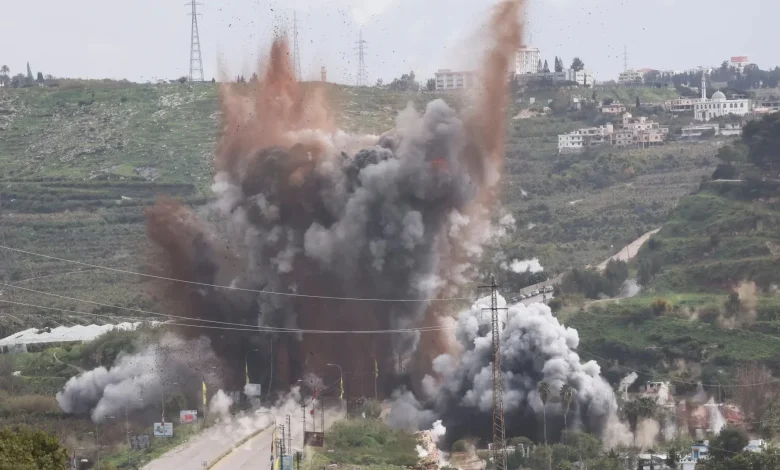
Understanding the catalysts for this unprecedented escalation requires a thorough examination of the strategic miscalculations and security dilemmas that characterized the months leading up to the conflict. A series of reciprocal cyber-attacks targeting critical national infrastructure in both nations created an environment of intense mutual vulnerability. Furthermore, the deployment of next-generation hypersonic glide vehicles and the mobilization of allied militia groups across strategic chokepoints significantly lowered the threshold for direct military engagement. The acceleration of uranium enrichment programs and the subsequent preemptive defensive posturing further fueled the spiral of escalation. The breakdown of traditional backchannel communications left a dangerous vacuum, where tactical maneuvers were easily misinterpreted as existential threats. The culmination of these factors resulted in a kinetic exchange that bypassed traditional proxy battlegrounds, striking directly at the sovereign territories of both nations and triggering immediate global alarm regarding the security of international trade routes and energy supplies.
The Diplomatic Breakthrough and Mediation
The diplomatic breakthrough that culminated in the current truce was the result of a monumental, multi-lateral negotiation effort. Traditional Western diplomatic channels were heavily supplemented by the proactive mediation of regional actors, notably Oman and Qatar, who leveraged their unique geopolitical positioning to facilitate indirect talks. The United Nations Security Council convened emergency sessions to draft a universally acceptable framework, while neutral European nations hosted covert summits to address the most contentious security guarantees. A pivotal moment in the negotiations occurred when global leaders engaged in high-stakes personal diplomacy. For instance, reports indicate that intensive dialogues took place, during which prominent figures like Keir Starmer and Donald Trump discussed the Middle East oil crisis and its severe implications on Western economies, effectively coordinating a unified pressure campaign on both conflicting parties. This concerted international pressure, combined with the mutual exhaustion of military resources and mounting domestic economic crises, ultimately forced a pragmatic reevaluation of strategic objectives in both capitals, paving the way for the historic signing of the cessation of hostilities document in Geneva.
Core Terms of the Proposed Agreement
The core terms of the proposed agreement are structured around a phased de-escalation protocol designed to build mutual trust incrementally. The initial phase mandates an immediate freeze on all offensive operations, including cyber-warfare and covert intelligence sabotage. This is closely followed by a synchronized withdrawal of deployed strike assets from forward operating bases. A critical component of the treaty is the establishment of a robust, internationally verified monitoring regime. The agreement explicitly addresses the cessation of arms transfers to regional non-state actors and outlines a comprehensive framework for maritime security in contested waterways. Furthermore, the diplomatic pact includes provisions for backchannel dialogues aimed at addressing long-term strategic grievances, with international guarantors pledging substantial economic incentives contingent upon strict adherence to the ceasefire stipulations.
Economic Repercussions and Global Markets
The economic repercussions of the conflict and the subsequent truce have been profound, sending shockwaves through global financial markets. Prior to the agreement, the specter of a prolonged regional war caused severe volatility in equity markets and a massive flight to safe-haven assets such as gold and sovereign bonds. The most acute impact, however, was observed in the energy sector. The mere threat of disrupted oil supplies via key maritime transit routes caused Brent crude prices to skyrocket, threatening a resurgence of global inflation. The stabilization of these critical maritime arteries is intricately tied to the broader geopolitical narrative, as detailed in recent analyses regarding the Strait of Hormuz global shipping dynamics. Following the announcement of the diplomatic resolution, markets experienced a significant relief rally. Central banks, which had been bracing for a potential stagflationary shock, adjusted their macroeconomic forecasts accordingly. This pivotal shift in the geopolitical risk premium directly influenced international monetary policy decisions, culminating in a highly anticipated Federal Reserve policy pivot that aimed to stabilize domestic markets in the wake of the averted global energy crisis.
Military Deployments and Advanced Monitoring
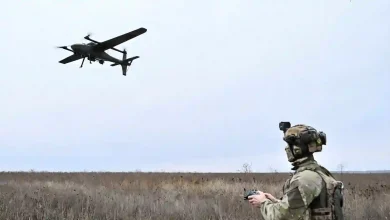
To ensure the durability of the truce, unprecedented military deployments and advanced monitoring mechanisms have been instituted. Traditional peacekeeping forces are being augmented by state-of-the-art technological solutions to verify compliance in real-time. The integration of artificial intelligence into the verification process represents a paradigm shift in international conflict resolution. Autonomous drone swarms, high-resolution satellite imagery, and advanced algorithmic pattern recognition are being utilized to monitor troop movements and detect unauthorized weapons transfers. This heavy reliance on next-generation defense architecture highlights the growing intersection of Silicon Valley innovations and international diplomacy, a trend extensively documented in discussions surrounding military technology and AI surveillance systems. These sophisticated monitoring arrays provide an objective, undeniable data stream to the international guarantors, significantly reducing the likelihood of false flag operations or accidental escalations fueled by misinformation.
Summary of Conflict and Resolution Metrics
The following table provides a comprehensive overview of the economic and geopolitical metrics comparing the peak of the conflict with the immediate aftermath of the diplomatic resolution. This data illustrates the profound global impact of the cessation of hostilities.
| Metric Indicator | Peak Conflict (February 2026) | Post-Ceasefire (March 2026) | Global Macro Impact |
|---|---|---|---|
| Brent Crude Oil Price | $118.50 per barrel | $82.30 per barrel | Massive reduction in global inflationary pressures |
| Global Shipping Insurance Premiums | +450% above baseline | +40% above baseline | Normalization of global supply chain costs |
| Safe-Haven Gold Pricing | $2,550 per ounce | $2,210 per ounce | Capital reallocation to high-yield equities |
| Regional Foreign Direct Investment | Net Outflow of $45 Billion | Stabilized / Neutral | Restoration of emerging market confidence |
| Strait of Hormuz Transit Volume | Declined by 35% | Recovered to 95% Capacity | Secured international energy supply lines |
Humanitarian Impact and Reconstruction Plans
Beyond the geopolitical and economic metrics, the humanitarian impact of the hostilities necessitates immediate and sustained international attention. While the conflict was relatively brief, the kinetic exchanges caused significant disruption to civilian infrastructure, healthcare systems, and vital utilities. The diplomatic framework includes a robust annex dedicated strictly to humanitarian relief and the swift facilitation of international aid. Multi-national non-governmental organizations are currently mobilizing massive logistical operations to deliver essential medical supplies, food security, and emergency shelter. The reconstruction phase is expected to command billions of dollars in international funding, with the World Bank and the International Monetary Fund structuring specialized grants to accelerate the rebuilding of critical public infrastructure. The successful execution of these reconstruction plans is universally recognized as a prerequisite for translating the current cessation of hostilities into a sustainable, long-term peace agreement that addresses the fundamental human security needs of the affected populations.
Future Outlook and Geopolitical Stabilization
The future outlook following this historic diplomatic milestone remains cautiously optimistic, yet fraught with complex challenges. The immediate threat of a regional conflagration has been successfully mitigated, but the underlying ideological and strategic rivalries remain largely unresolved. The true test of this agreement will be its resilience in the face of inevitable localized provocations and the shifting dynamics of domestic politics within both nations. Furthermore, the broader implications for the global energy landscape are still unfolding. Strategic analyses, such as Donald Trump’s analysis on the global energy crisis, suggest that Western nations must aggressively diversify their energy portfolios to insulate their economies from future Middle Eastern volatility. The international community must maintain an unwavering commitment to the verification mechanisms and diplomatic engagement processes outlined in the Geneva treaty. Continuous reporting from esteemed international organizations, such as the comprehensive updates provided by Reuters international news reporting, will be crucial in maintaining transparency and global accountability. Ultimately, while the truce has successfully averted an immediate global catastrophe, it represents only the genesis of a long, arduous journey toward a stable, enduring security architecture in the most geopolitically sensitive region on Earth. The legacy of this agreement will depend entirely on the sustained political will of both the primary combatants and their international guarantors to prioritize diplomatic pragmatism over historical animosities.