iPhone 17 Series Review (2026): Specs, ‘Air’ Model, and Performance Analysis
Executive Insights
- The iPhone 17 series introduced 120Hz ProMotion displays to non-Pro models.
- The ‘iPhone 17 Air’ replaces the Plus model, featuring an ultra-thin 5.6mm chassis.
- Pro models now feature 12GB of RAM to support advanced on-device Apple Intelligence features.
- The iPhone 17 Pro Max features 48MP sensors for all three rear cameras (Main, Ultrawide, Telephoto).
- A new 24MP front-facing camera with autofocus is standard across all models.
The iPhone 17 series, released in September 2025, marks one of the most significant shifts in Apple’s smartphone strategy in a decade. With the introduction of the ultra-thin iPhone 17 Air and the democratization of 120Hz ProMotion across the entire lineup, the gap between the “Pro” and standard models has narrowed, while a new premium tier has emerged focused on aesthetics.
This comprehensive analysis breaks down the real-world performance of the A19 chip, the camera upgrades in the Pro Max, and whether the “Slim” form factor of the Air is worth the trade-offs. As of early 2026, here is the definitive state of the iPhone 17 lineup.
iPhone 17 Series Specs: At a Glance
| Feature | iPhone 17 | iPhone 17 Air (Slim) | iPhone 17 Pro / Pro Max |
|---|---|---|---|
| Processor | A19 (3nm) | A19 (3nm) | A19 Pro (3nm+) |
| Display | 6.3″ OLED, 120Hz LTPO | 6.6″ OLED, 120Hz LTPO | 6.3″ / 6.9″ OLED, 120Hz |
| Camera (Rear) | Dual 48MP | Single 48MP (Fusion) | Triple 48MP (Main, UW, Tele) |
| Front Camera | 24MP Center Stage | 24MP Center Stage | 24MP Center Stage |
| RAM | 8GB | 8GB | 12GB |
| Chassis | Aluminum | Aluminum / Titanium Alloy | Grade 5 Titanium |
| Starting Price | $799 | $1,299 (Est.) | $999 / $1,199 |
The “Air” Model: A New Design Paradigm
The standout device of this generation is undoubtedly the iPhone 17 Air (often referred to as the iPhone 17 Slim). Replacing the “Plus” model, the Air prioritizes form over raw utility.
Design & Build
Measuring just 5.6mm thick, the iPhone 17 Air is the thinnest device Apple has produced since the iPad Pro M4. It utilizes a hybrid aluminum-titanium structure to maintain rigidity despite its slender profile. However, this design comes with compromises:
- Battery Life: Due to the physical constraints, the battery is smaller than the Pro Max, offering “all-day” battery rather than the “multi-day” endurance of the thicker models.
- Thermal Management: The A19 chip in the Air is throttled slightly more aggressively than in the standard iPhone 17 to prevent overheating in the compact chassis.
- Single Camera: To keep the back flush, Apple opted for a single, high-performance 48MP “Fusion” camera, omitting the dedicated ultrawide and telephoto lenses found on other models.
Display Upgrades: 120Hz for Everyone
Perhaps the most welcome change in the 2025 release cycle was the inclusion of LTPO ProMotion displays on the base iPhone 17 and iPhone 17 Air.
For years, the standard iPhones were capped at 60Hz. The move to 120Hz variable refresh rates means smoother scrolling, better gaming capability, and improved power efficiency for the Always-On Display. This upgrade effectively removed the biggest differentiator between the “Pro” and “Regular” iPhones, forcing Apple to differentiate the Pro models through camera hardware and pure processing power.
Performance: A19 vs. A19 Pro
With the widespread adoption of Apple Intelligence (AI) features in iOS 19, the demand on silicon has increased.
The A19 Chip
Found in the standard and Air models, the A19 features a 6-core CPU and a 5-core GPU. It is built on TSMC’s N3P process. It handles on-device AI summarization and image generation with ease, though heavy video export tasks are slower than on the Pro.
The A19 Pro Chip
Exclusive to the Pro and Pro Max, the A19 Pro adds:
- 6-Core GPU: Enhanced ray-tracing capabilities for AAA gaming.
- 12GB RAM: A crucial upgrade for keeping large AI language models resident in memory without refreshing.
- Advanced Thermals: A graphene cooling system allows the Pro models to sustain peak performance for significantly longer periods.
Camera Systems: The 48MP Trinity
The iPhone 17 Pro Max has established itself as the market leader in mobile photography for 2026. For the first time, all three rear sensors are 48MP.
- Main: 48MP Fusion with variable aperture (f/1.5 – f/2.0).
- Ultrawide: 48MP with significantly improved low-light performance and macro capability.
- Telephoto: 48MP Tetraprism lens providing 5x optical zoom, with a sensor crop enabling lossless 10x digital zoom.
The Front Camera Upgrade: Across all four models, the selfie camera sees a jump from 12MP to 24MP. This new sensor includes autofocus and a 6-element lens, drastically improving sharpness for FaceTime and selfies in poor lighting.
The Upcoming iPhone 17E
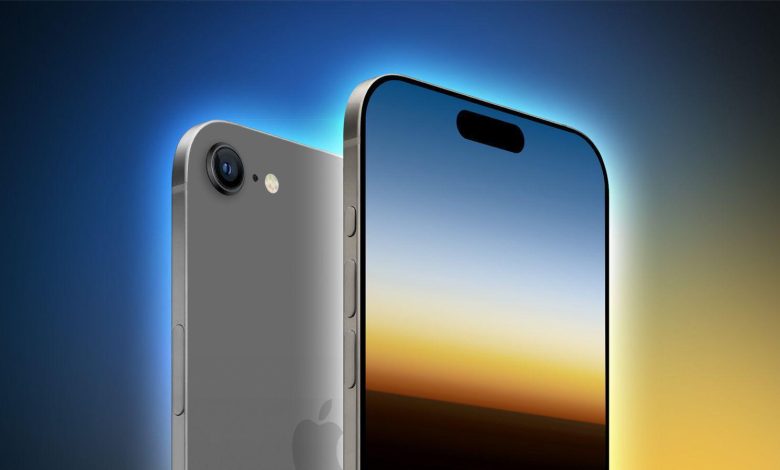
As of late January 2026, rumors are solidifying regarding a mid-cycle addition: the iPhone 17E. Expected to launch in February 2026, this device is rumored to replace the iPhone SE lineage. Leaks suggest it will feature:
- 6.1-inch OLED display (60Hz).
- A18 chip (recycled from iPhone 16).
- Single 48MP camera.
- Price point: ~$499 – $599.
Verdict: Which iPhone 17 Should You Buy?
Buy the iPhone 17 if: You want the best value. With 120Hz and the A19 chip, it offers 95% of the Pro experience for $200 less.
Buy the iPhone 17 Air if: You value fashion and portability over battery life and camera versatility. It is a statement piece.
Buy the iPhone 17 Pro Max if: You are a content creator needing the 48MP telephoto lens, 12GB of RAM, and the best battery life in the lineup.
In-Depth Q&A
Q: Does the standard iPhone 17 have a 120Hz display?
Yes, for the first time, Apple has included LTPO ProMotion (120Hz) displays on the standard iPhone 17 and iPhone 17 Air models, moving away from the 60Hz panels used in previous non-Pro generations.
Q: What is the difference between iPhone 17 and iPhone 17 Air?
The iPhone 17 Air is significantly thinner (approx. 5.6mm) and uses a titanium-aluminum alloy chassis. However, it sacrifices battery life and only features a single rear camera compared to the dual-camera setup on the standard iPhone 17.
Q: When was the iPhone 17 released?
The iPhone 17 lineup was officially released on September 19, 2025, following an announcement event on September 9, 2025.
Q: Does the iPhone 17 support Wi-Fi 7?
Yes, all models in the iPhone 17 series (Standard, Air, Pro, and Pro Max) come equipped with Apple’s custom Wi-Fi 7 chip for faster speeds and lower latency.
Q: What is the iPhone 17E?
The iPhone 17E is a rumored budget-friendly model expected to launch in February 2026 to replace the iPhone SE. It is expected to feature an A18 chip and a standard 60Hz OLED display.