ChatGPT in 2026: GPT-5 Architecture, Agentic Workflows & Enterprise Impact
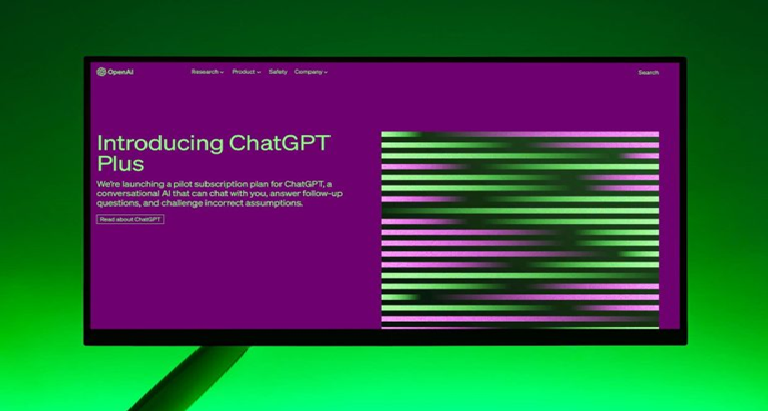
As of January 2026, ChatGPT has evolved from a sophisticated chatbot into a comprehensive AI Operating System for work and daily life. With the release of GPT-5 and the advanced o3-pro reasoning models, OpenAI has fundamentally shifted the landscape of Generative AI, moving beyond simple text prediction to complex, multi-step problem solving and autonomous agentic workflows.
Evolution of the Model Architecture: GPT-5 and the "o" Series
The core of ChatGPT’s 2026 capabilities lies in its bifurcated model strategy, designed to balance speed with deep analytical power. This dual approach addresses the diverse needs of casual users and enterprise power users alike.
1. GPT-5.2 Instant: The Multimodal Workhorse
Released in late 2025, GPT-5.2 Instant serves as the default model for most interactions. It features drastically reduced latency compared to GPT-4o, with enhanced multimodal capabilities that allow it to process real-time video, audio, and high-resolution images simultaneously. Its training cutoff extends to August 2025, ensuring high relevance for current events.
2. The "o" Series: o3-pro and Deep Reasoning
For complex tasks requiring high-fidelity outputs—such as advanced coding, legal analysis, and scientific research—ChatGPT utilizes the o3-pro and o3-mini models. These models employ Chain of Thought (CoT) reasoning, deliberately "pausing" to compute intermediate steps before generating a final response. Benchmarks indicate o3-pro outperforms human experts in specialized domains like PhD-level physics and competitive programming.
Key Features Defining ChatGPT in 2026
The transition to Agentic AI is the defining trend of 2026. ChatGPT is no longer just a passive responder; it is an active participant in digital workflows.
Agentic Workflows with Pulse
The new Pulse feature allows ChatGPT to execute autonomous tasks across connected applications. Users can define "Scheduled Tasks"—such as generating weekly marketing reports or monitoring server logs—which the AI executes in the background, notifying the user only upon completion or when a critical decision is required.
Deep Research & Canvas
- Deep Research: An autonomous research agent that can browse thousands of web pages, synthesize information, and produce referenced reports that rival human analyst output.
- Canvas Interface: A dedicated workspace for collaborative writing and coding, allowing users to highlight sections for targeted edits rather than regenerating entire responses. This spatial reasoning tool effectively competes with dedicated IDEs.
The "Health" Space
Addressed with strict HIPAA-compliant safeguards, the dedicated Health space allows users to securely connect medical records and wellness apps (like Apple Health). Data in this silo is strictly excluded from model training, ensuring privacy while providing personalized health insights.
Enterprise Adoption and Market Impact
Adoption statistics for Q1 2026 reveal that 80% of Fortune 500 companies have integrated ChatGPT Enterprise into their core operations. The introduction of the ChatGPT Go plan ($8/month) has democratized access for students and freelancers, while the Pro tier ($200/month) caters to power users requiring unlimited access to o3-pro and high-compute tasks.
"ChatGPT has shifted from a tool for drafting emails to an essential cognitive infrastructure for the modern enterprise." — Industry Analyst Report, Jan 2026
Comparative Analysis: ChatGPT vs. The Competition
The AI landscape in 2026 is a three-horse race between OpenAI, Google, and Anthropic. Below is a comparison of their flagship offerings as of January 2026.
| Feature | ChatGPT (GPT-5.2 / o3-pro) | Gemini 3 Pro (Google) | Claude 4.5 Opus (Anthropic) |
|---|---|---|---|
| Primary Strength | Versatility & Agentic Workflows | Native Google Ecosystem Integration | Complex Logic & Nuanced Writing |
| Context Window | 128k (standard) / Extended Memory | 1 Million Tokens | 500k Tokens |
| Coding Capability | High (o3-pro leads in benchmarks) | High (AlphaCode integration) | Exceptional (Preferred for debugging) |
| Multimodal | Native Audio/Video/Image | Native Video/Audio (YouTube integration) | Strong Image Analysis |
Safety, Ethics, and Regulation
With the rollout of Age Prediction Models and the "Under-18 Principles," OpenAI has taken aggressive steps to ensure safety for younger users. These systems analyze behavioral signals to automatically apply content filters, preventing exposure to harmful material. Furthermore, the Model Spec document has been updated to codify "Root Level" safety directives that cannot be overridden by user prompts, a crucial development for enterprise compliance.
Advanced Topical Map: ChatGPT 2026 Ecosystem
- Core Models
- GPT-5 (Foundation)
- o3-pro (Reasoning/STEM)
- o3-mini (Cost-Efficient Reasoning)
- Product Features
- Pulse (Agentic Tasks)
- Canvas (Co-creation UI)
- Deep Research (Autonomous Web Browsing)
- Advanced Voice (Emotional Intelligence)
- Subscription Tiers
- ChatGPT Free (GPT-5.2 Instant)
- ChatGPT Go ($8/mo)
- ChatGPT Plus ($20/mo)
- ChatGPT Pro ($200/mo)
Sources & References
-
•
OpenAI Release Notes (Jan 2026): ‘5.2 Personality System Prompt Update’ & ‘Voice Updates’ -
•
Forbes (Jan 2026): ‘What OpenAI And ChatGPT Tell Us About What’s Coming In 2026’ -
•
PlayCode.io (Jan 2026): ‘ChatGPT vs Claude vs Gemini for Coding 2026’ -
•
Mindliftly (Nov 2025): ‘Shocking ChatGPT 2026 Features’ -
•
Master of Code (Jan 2026): ‘ChatGPT Statistics in Companies’




4 Comments