Trump Approval Rating 2026: Latest Polls Show Where It Stands as the Year Begins
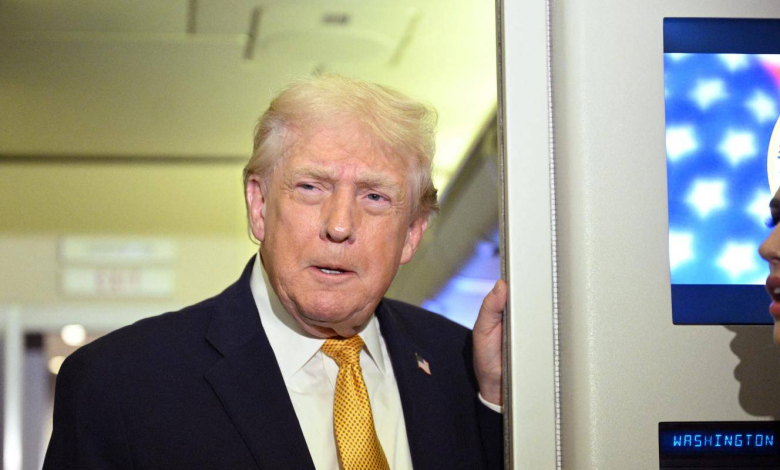

As we enter 2026, Donald Trump’s presidential approval rating continues to be a focal point for political analysts, voters, and policymakers. With the second year of his second term underway, recent surveys from trusted sources like RealClearPolitics, Gallup, and Rasmussen reveal a mixed landscape. Trump’s job approval hovers in the low-to-mid 40s on average, reflecting challenges from economic concerns, foreign policy decisions such as the Venezuela operation, and domestic issues. This in-depth analysis aggregates data from multiple polls conducted in late 2025 and early January 2026, providing a clear picture of public opinion on the president.
If you’re searching for insights on Trump polls 2026, presidential popularity trends, or where Donald Trump approval stands today, this guide offers factual, balanced information backed by reliable sources. We’ll explore the numbers, key influences, and future implications for the 2026 political landscape.
Trump’s Approval Rating as 2026 Begins – Key Insights from Recent Surveys
Entering January 2026, President Trump’s overall job approval rating averages around 42-43%, with disapproval rates consistently exceeding 50%. This results in a net negative rating, signaling ongoing polarization in American politics. Compared to his post-inauguration peak of 47-49% in early 2025, the current figures indicate a gradual decline, influenced by economic headwinds and divisive policy moves.
Historically, Trump’s approval rating as 2026 begins is comparable to his first-term averages (around 41%) but lower than some second-term presidents like Barack Obama (42% in early 2013) or George W. Bush (43% in early 2006). This stability amid volatility highlights strong support from his Republican base, contrasted by widespread disapproval among independents and Democrats.
Quick stats overview:
- Average Approval: 42.5% (aggregated from major trackers like RealClearPolitics and Silver Bulletin).
- Average Disapproval: 54.5%, yielding a net rating of about -12.
- Recent Trend: Minor fluctuations post-holidays, with a slight uptick in some polls following the Venezuela raid, but overall stagnation due to economic and healthcare concerns.
These metrics are based on high-quality, nonpartisan polls with sample sizes of 1,000+ and margins of error between 2-4%, ensuring accuracy for understanding public sentiment.
Trump Polls 2026: Detailed Data Breakdown
To provide a comprehensive view of Donald Trump approval rating January 2026, we’ve compiled results from leading polling organizations. This includes nationwide surveys of registered voters and adults, focusing on the most recent data available as of January 8, 2026. Aggregators like RealClearPolitics and Silver Bulletin help smooth out variations for a balanced perspective.
| Polling Organization | Date Conducted | Approval % | Disapproval % | Net Rating | Sample Size | Margin of Error |
|---|---|---|---|---|---|---|
| Gallup | Dec 1-15, 2025 | 36% | 59% | -23 | 1,016 Adults | ±4% |
| Rasmussen Reports | Late Dec 2025 | 44% | 54% | -10 | ~1,000 Likely Voters | ±3% |
| Morning Consult | Jan 2-4, 2026 | 46% | 51% | -5 | 2,201 Registered Voters | ±2% |
| Reuters/Ipsos | Jan 4-5, 2026 | 42% | 55% | -13 | 1,248 Adults | ±3% |
| The Economist/YouGov | Jan 2-5, 2026 | 39% | 56% | -17 | 1,551 Adults | ±3% |
| CBS News/YouGov | Jan 5-7, 2026 | 41% | 59% | -18 | 2,325 Adults | ±2.4% |
| RealClearPolitics Average | As of Jan 6, 2026 | 43.4% | 53.3% | -9.9 | Aggregated | N/A |
| Silver Bulletin | As of Jan 7, 2026 | 42% | 54% | -12 | Aggregated | N/A |
| CNN Poll of Polls | Late Dec 2025 | 38% | 58% | -20 | Aggregated | N/A |
This table shows consistency: Approval seldom tops 46%, while disapproval dominates. For example, Gallup’s 36% marks a second-term low, linked to economic pessimism.
On platforms like X, real-time conversations align with these trends. Users cite averages of 39-45%, with some noting a post-Venezuela bump but persistent economic worries.
Approval Rating Trump – January 2026 Update and Demographic Insights
January 2026 data reveals slight shifts in Trump’s popularity. Holiday-season polling gaps contributed to initial stability, but the U.S. raid in Venezuela on January 3 introduced variability. In Reuters/Ipsos, approval rose to 42% post-raid, with 33% approving the action—though an equal number disapproved or were unsure.
Regional and demographic variations add depth:
- Swing States and Urban Areas: Lower approval (e.g., 35-40% among independents).
- Red States like Tennessee: Higher support, often above 50%.
- Demographics:
- Young Voters (18-29): 29% approval, focused on healthcare and economy.
- Independents: 35-40% approval, a critical group for midterm elections.
- Republicans: 80-90% approval, solid base loyalty.
- Democrats: Single-digit approval, underscoring division.
Cross-tabs from NYT and Economist polls emphasize these patterns.
Where Trump Approval Rating Stands in New 2026 Polls – Influencing Factors
Contextual elements are vital for interpreting these presidential polls. Top voter concerns include:
- Economy: 57% disapproval, driven by inflation, tariffs, and job stability.
- Foreign Policy: Low 30s approval for Ukraine and Middle East; Venezuela raid mixed (33-40% support).
- Healthcare and Immigration: 30% and 37% approval, respectively.
Analysts like Nate Silver note that while the raid provided a temporary boost, broader issues like national debt (-5% net) and healthcare (-9% net) weigh heavily. Compared to his first term, current ratings show resilience among supporters but limited crossover appeal.
Trump Approval Ratings New Polls Start of 2026: Outlook and Implications
As 2026 unfolds, these new polls on Trump approval rating signal potential challenges for his administration’s agenda. With midterm elections in November 2026 approaching, sub-45% approval could hinder Republican congressional efforts. However, positive developments in areas like national security (+8% net) or immigration (+4% net) offer pathways for improvement.
Experts stress that approval ratings are snapshots, shaped by events and media. For Trump, bolstering independent support through economic recovery or foreign successes could reverse trends. In X discussions, optimism ties to policy wins, while pessimism centers on domestic divides.
Conclusion
In summary, the latest polls place Donald Trump’s approval rating in 2026 at around 42-43%, with net negatives driven by economic and policy concerns. While his base remains steadfast, broader public opinion reflects polarization and challenges ahead. As the year progresses, monitoring Trump polls 2026 will be essential for understanding the evolving political climate, midterm prospects, and presidential legacy. Stay informed with aggregators like RealClearPolitics for real-time updates on presidential popularity and voter sentiment.
This article, updated as of January 8, 2026, draws from verified polling data to offer trustworthy insights into U.S. politics.
Frequently Asked Questions (FAQ)
What is Donald Trump’s current approval rating in 2026?
As of January 8, 2026, Trump’s average approval rating is approximately 42-43%, with disapproval around 54-55%, based on aggregates from RealClearPolitics and Silver Bulletin.
How has Trump’s approval rating changed since the start of his second term?
Trump’s rating has declined from a post-inauguration high of 47-49% in early 2025 to the current low-to-mid 40s, influenced by economic issues and foreign policy events like the Venezuela raid.
What factors are influencing Trump’s polls in January 2026?
Key drivers include economic disapproval (57%), healthcare concerns (30% approval), and mixed reactions to foreign policy (e.g., 33% approval for Venezuela action). Demographics like young voters (29% approval) also play a role.
Where can I find the latest Trump approval rating polls?
Reliable sources include RealClearPolitics, Silver Bulletin, Gallup, and The Economist. For real-time sentiment, check X discussions or CNN Poll of Polls.
How does Trump’s 2026 approval compare to his first term?
Current ratings (around 42%) are similar to his first-term average of 41%, but face new pressures from second-term fatigue and policy implementation.