Zillow 2026 Real Estate Trends: A Complete Market News Guide
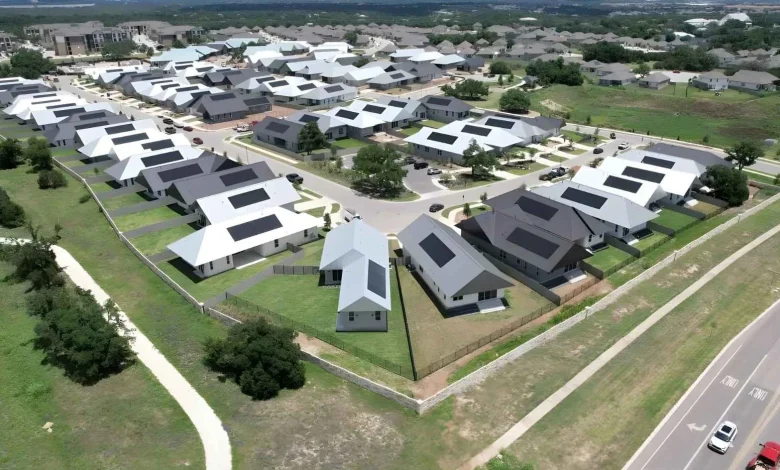
Zillow remains the paramount digital real estate ecosystem, fundamentally reshaping how buyers, sellers, and renters interact with property markets worldwide as we progress deeply into 2026. This comprehensive guide serves to dissect the intricate layers of the housing industry, analyzing the macro and microeconomic factors that are influencing valuations, mortgage rates, and demographic shifts. The real estate landscape has continuously evolved in response to global events, technological advancements, and changing consumer behaviors, with current trends indicating a highly dynamic and historically distinct era. For stakeholders ranging from institutional investors to first-time homebuyers, understanding these multifaceted shifts is an absolute necessity.
Zillow Reports on 2026 Housing Market Dynamics
The latest extensive analytics published by the platform provide a granular look at the evolving real estate terrain. We are currently witnessing an unprecedented balancing act between constrained housing supply and shifting buyer demand, complicated by historically restrictive monetary policies. Institutional investment in single-family residential properties has created a unique bottleneck, particularly in high-demand metropolitan areas where available land for new construction is practically nonexistent. As a result, the dynamics of affordability have become a central theme in economic discussions. Prospective buyers are finding themselves in a hyper-competitive environment where rapid decision-making and pre-approved financing are no longer just advantageous, but strictly mandatory.
Regional Shifts in Property Values
Property value fluctuations are increasingly localized. While the national average indicates a stabilization phase, regional disparities are staggering. The Sunbelt region continues to experience robust appreciation driven by domestic migration, favorable tax climates, and burgeoning tech hubs. Conversely, traditional coastal powerhouses are seeing a plateau, and in some specific high-tax jurisdictions, a slight deflation in luxury home asking prices. By analyzing housing trends and forecasts, economists have pinpointed that the affordability ceiling has effectively been reached in several major coastal cities, forcing middle-class buyers to seek refuge in emerging secondary and tertiary markets. This migration is actively reshaping the economic fortunes of Midwestern and Southern states, driving infrastructural investments and commercial development in previously overlooked territories.
The Impact of Remote Work on Suburban Demand
The persistence of hybrid and fully remote work arrangements has permanently altered the geographical constraints of the modern workforce. No longer tethered to a daily commute into centralized business districts, employees are prioritizing square footage, home offices, and outdoor amenities over proximity to the urban core. This fundamental shift has catalyzed a sustained renaissance in suburban and exurban real estate markets. Developments situated sixty to ninety minutes outside of major city centers are experiencing record demand. The architectural design of new residential constructions is also pivoting to accommodate this reality, with builders integrating acoustic insulation, dedicated dual-office floor plans, and enhanced high-speed networking infrastructure directly into the framing of modern homes.
Zillow Mortgage Rate Forecasts and Financial Updates
Financing conditions remain a critical barometer for market fluidity. Central banks globally have navigated a treacherous path between combating sticky inflation and preventing severe economic contraction. The resulting interest rate environment has created a significant hurdle for market liquidity. Homeowners who locked in historically low rates prior to 2023 are demonstrating “rate lock” behavior, profoundly reluctant to sell their current properties and assume a new mortgage at contemporary rates. This phenomenon has artificially suppressed inventory levels, compounding the existing supply-side crisis.
Navigating High Interest Rates in Q1 2026
Navigating the complex financial waters of early 2026 requires innovative strategies from both lenders and borrowers. Adjustable-rate mortgages (ARMs) have seen a resurgence as buyers bet on potential rate drops in the latter half of the decade. Furthermore, government interventions and specialized first-time buyer programs are attempting to bridge the widening affordability gap. However, macroeconomic challenges continue to exert pressure on consumer wallets. Delays in vital financial injections, such as processing delays and news regarding tax refunds, have tangibly disrupted the timelines of many prospective buyers attempting to finalize their down payments during the crucial spring buying season.
Technological Innovations Within the Real Estate Sector
Technology continues to democratize access to real estate data, transforming an industry historically characterized by extreme information asymmetry. The integration of big data analytics into daily real estate transactions has elevated the precision of property valuations to unprecedented levels. Predictive modeling now factors in everything from hyper-local crime statistics to projected climate change impacts, giving buyers a holistic understanding of a property’s long-term viability and risk profile.
Artificial Intelligence in Property Valuation
The algorithmic heartbeat of the platform—its proprietary automated valuation model—has undergone rigorous enhancements utilizing deep learning networks. Artificial Intelligence is now capable of analyzing millions of high-resolution satellite imagery pixels to assess roof conditions, landscaping quality, and even the presence of solar panels, instantly adjusting the estimated value of a home without human intervention. This AI-driven transparency is forcing traditional appraisal industries to adapt or face obsolescence, while simultaneously providing consumers with instantaneous, hyper-accurate equity assessments of their most valuable asset.
Virtual Reality Home Tours and Buyer Engagement
Spatial computing and virtual reality have evolved from experimental marketing gimmicks into fundamental tools for remote property acquisitions. High-fidelity 3D modeling allows international and cross-country buyers to conduct exhaustive, millimeter-accurate walkthroughs of properties from thousands of miles away. This technology significantly reduces the friction of long-distance relocations and empowers investors to deploy capital across diverse geographical markets with confidence. The immersive nature of these tours ensures that physical showings are reserved for serious, pre-qualified buyers, drastically optimizing the time of real estate professionals.
Commercial Real Estate Market Adjustments
While residential markets grapple with inventory shortages, the commercial real estate (CRE) sector is undergoing a profound structural reckoning. The obsolescence of vast tracts of Class B and Class C office space due to the aforementioned remote work trend has triggered a wave of strategic defaults and distressed asset sales. However, this crisis is birthing innovative adaptive reuse projects. Empty office towers in downtown metropolises are being aggressively rezoned and retrofitted into mixed-use residential complexes, aiming to inject much-needed housing supply directly into urban cores.
Retail Giants Reshaping Urban Zoning Laws
Simultaneously, the physical footprint of the retail sector is shifting. Massive corporations are rethinking their spatial requirements, moving toward hybridized fulfillment centers and localized micro-distribution hubs. This strategic pivot aligns closely with patterns of global retail dominance, wherein the boundary between consumer-facing retail and background logistical operations is intentionally blurred. Municipal zoning boards are being forced to rewrite archaic commercial codes to accommodate these mega-retailers, resulting in the rapid transformation of suburban retail parks into highly efficient, mixed-commercial ecosystems.
Future Projections for Global Real Estate Economies
Looking toward the horizon, the real estate industry is bracing for demographic tsunamis. The aging baby boomer population is preparing for a massive generational transfer of real estate wealth, simultaneously driving demand for specialized senior living facilities and single-story downsized homes. Conversely, Gen Z is entering prime home-buying age, bringing with them unique preferences for sustainable architecture, smart home integrations, and walkable, community-centric neighborhoods. Builders and urban planners who fail to anticipate these diverging demographic demands risk building obsolete inventory.
Blockchain and Alternative Financing Models
The financial plumbing of real estate transactions is also being heavily scrutinized and upgraded. Blockchain technology is finally making tangible inroads into title insurance and escrow services, promising to reduce the historically exorbitant closing costs associated with traditional property transfers. Tokenization of real estate assets is democratizing commercial real estate investment, allowing retail investors to purchase fractional shares of institutional-grade properties. For those tracking the broader financial ecosystems, staying updated with a comprehensive analysis and 2026 trends provides essential context for how digital assets are increasingly being leveraged for real world property acquisitions, including crypto-backed mortgages that bypass traditional banking infrastructure entirely.
To further understand the macroeconomic regulations governing these massive industry shifts, professionals often turn to established industry watchdogs and regulatory bodies like the National Association of Realtors, whose lobbying efforts and market data heavily influence legislative housing policies.
Table: U.S. Housing Market Trends Snapshot (2024 – 2026 Forecast)
| Market Metric | 2024 (Historical) | 2025 (Estimated) | 2026 (Projected) |
|---|---|---|---|
| Median Home Sales Price | $410,000 | $425,500 | $438,000 |
| Average 30-Year Fixed Mortgage Rate | 6.8% | 6.4% | 6.1% |
| Active Inventory Listing Volume | 1.02 Million | 1.15 Million | 1.30 Million |
| Days on Market (Average) | 35 Days | 42 Days | 48 Days |
In conclusion, the trajectory of the housing market demands rigorous analytical attention. The convergence of tightening financial policies, revolutionary property technologies, and sweeping demographic transitions guarantees that the real estate sector will remain one of the most volatile yet inherently lucrative segments of the global economy. Investors, realtors, and prospective homeowners must continuously educate themselves on these macroeconomic currents to make prudent, long-term financial decisions in this complex 2026 landscape.