The Sushi Push Pop Phenomenon: A Culinary and Commercial Analysis
Executive Summary
The culinary landscape is constantly evolving, often driven by the intersection of convenience, aesthetics, and social media virality. The Sushi Push Pop represents a distinct shift in the consumption of Japanese-fusion cuisine, moving away from traditional plated presentation toward vertical, handheld ergonomics. This report analyzes the structural composition, market viability, and consumer psychology behind this trend. We examine its role in modern catering, compare it against established portable sushi formats, and evaluate whether this innovation is a fleeting novelty or a sustainable fixture in the fast-casual dining sector.
The Evolution of Handheld Gastronomy
Traditionally, sushi consumption is a ritualistic experience involving chopsticks, soy sauce dishes, and a sedentary setting. However, the modern fast-casual market demands high portability without sacrificing flavor complexity.
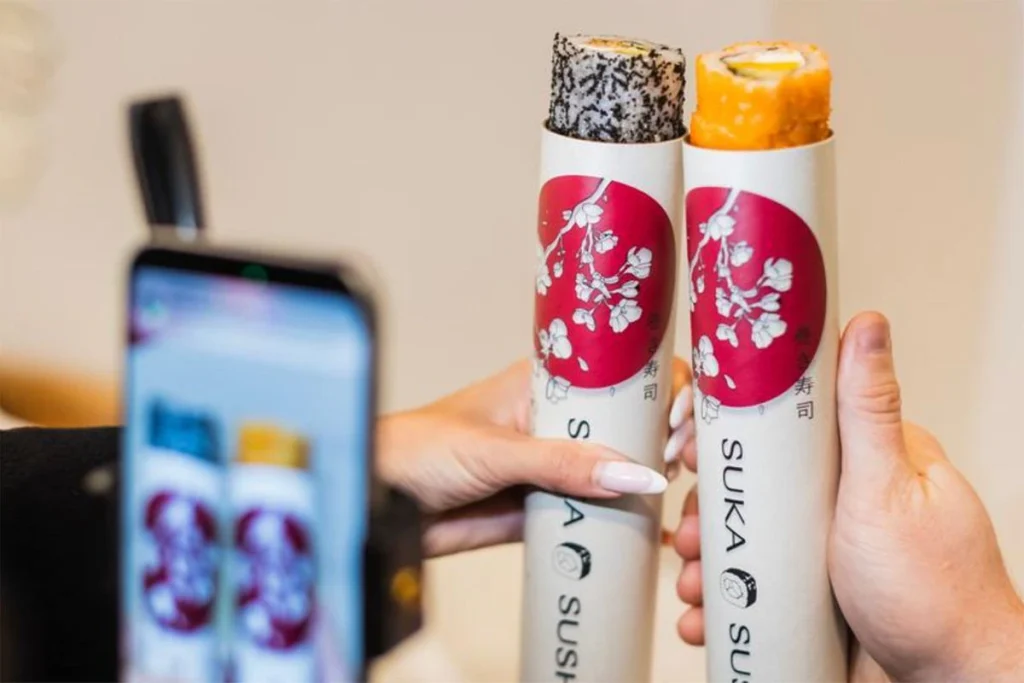
The sushi push pop addresses this by re-engineering the vessel. It borrows the mechanics of the childhood frozen treat—the push-up pop—and repurposes it for savory applications. This allows for a layered, clear presentation of ingredients that showcases freshness while eliminating direct hand-to-food contact.
Unlike the sushi burrito, which prioritizes volume and mimics the wrap format, the push pop emphasizes distinct stratification. Each layer offers a specific flavor profile, allowing the chef to curate the bite sequence vertically rather than horizontally.
Architectural Composition and Ingredient Stratification
Successful execution of a sushi push pop relies on precise engineering. The structural integrity of the dish depends on the viscosity of the rice and the density of the fillings. If the rice is too loose, the mechanism fails; if it is too compressed, the mouthfeel suffers.
Chefs typically begin with a base of seasoned short-grain rice, followed by a dense layer of protein such as spicy tuna or salmon tartare. The center layers often introduce textural contrasts—cucumber, avocado, or tempura flakes—before being capped with a garnish layer of tobiko, microgreens, or sesame seeds.
The transparency of the cylinder serves a dual purpose. Functionally, it allows the consumer to gauge the remaining portion. Aesthetically, it turns the food into a visual gradient, highly optimized for digital content sharing, which drives organic marketing.
Commercial Viability in Catering and Events
From a business perspective, the sushi push pop offers distinct advantages over traditional maki rolls in a catering environment. Sanitation is a primary driver. In a post-pandemic landscape, communal platters face scrutiny. The push pop is a sealed, individual unit that reduces contamination risks.
Portability is the second factor. At standing networking events or cocktail hours, guests often struggle with the mechanics of holding a drink and managing chopsticks. The push pop is a one-handed device, freeing the other hand for social interaction or beverage consumption.
Furthermore, the preparation model is scalable. These units can be assembled in advance and stored vertically, maximizing refrigeration space compared to the surface area required for horizontal sushi platters.
Comparative Analysis: Portable Sushi Formats
To understand the market position of the sushi push pop, it is essential to compare it with its direct competitors: the Traditional Hand Roll (Temaki) and the Sushi Burrito.
| Feature | Sushi Push Pop | Traditional Hand Roll (Temaki) | Sushi Burrito |
|---|---|---|---|
| Portability | High (Self-contained, rigid) | Medium (Fragile, Nori softens) | High (Wrapped, durable) |
| Ingredient Ratio | Layered (Sequential flavors) | Cone (Bite variance) | Mixed (Homogeneous cross-section) |
| Mess Factor | Low (Contained in plastic) | Medium (Open top, potential drip) | Medium (Sauce leakage risk) |
| Presentation | Vertical, Transparent, Novelty | Traditional, Minimalist | Volume-focused, opaque |
| Storage Viability | High (Air-tight potential) | Low (Nori must be crisp) | Medium (Soggy potential) |
Consumer Psychology and The Viral Factor
The adoption of the sushi push pop is heavily influenced by the “novelty curve.” Consumers are increasingly driven by experiential dining. The mechanical action of pushing the food upward adds an interactive element to the meal that static plates lack.
This interactivity creates a “micro-moment” of engagement, increasing the likelihood of social media documentation. For foodservice operators, this translates to free user-generated content (UGC). The visual distinctiveness of the layers—bright orange salmon, green avocado, white rice—against the clear plastic creates high-contrast imagery that performs well on visual platforms like Instagram and TikTok.
However, novelty has a shelf life. For the format to survive beyond a fad, the culinary quality must match the gimmick. If the ratio of rice to fish is skewed to cut costs, consumer retention will plummet. The format must remain a vehicle for quality, not a mask for mediocrity.
Operational Challenges and Sustainability
Despite the advantages, there are operational hurdles. The primary concern is single-use plastic waste. The push pop container is typically rigid plastic, which contradicts the growing industry trend toward sustainable packaging. Operators must source biodegradable or compostable bioplastics to mitigate environmental backlash.
Additionally, the assembly process requires specific training. Layering ingredients into a narrow cylinder is more time-consuming than rolling a maki mat. It requires tools for compression and leveling to ensure the “push” mechanism works smoothly without jamming or spilling.
Strategic Implementation for Restaurants
For restaurants looking to adopt this trend, it is best utilized as a high-margin appetizer or a catering-exclusive item. Placing it on a standard dinner menu may cheapen a fine-dining perception, but offering it as a lunch special or festival item aligns with the “grab-and-go” demographic.
Pricing strategy should account for the packaging cost and the increased labor time per unit. Because the format is perceived as a novelty, there is currently price inelasticity, allowing operators to charge a premium over an equivalent volume of standard rolls.
Future Outlook
The sushi push pop is more than a culinary gimmick; it is a case study in food ergonomics. While it may not replace the omakase counter, it has carved a niche in the high-volume catering and fast-casual sectors. Its future depends on the industry’s ability to solve the packaging sustainability issue and the chefs’ ability to innovate beyond standard fillings.