Staycations in 2026: $4 Gas Prices Reshape Summer Travel
Staycations are officially the defining travel trend of 2026, driven aggressively by the harsh economic reality of $4-per-gallon gasoline. With the summer vacation season rapidly approaching, American consumers are critically reevaluating their long-held traditions of cross-country road trips and expensive coastal getaways. The post-pandemic era of “revenge travel” has definitively concluded, replaced by a profound era of financial pragmatism. As inflation continues to squeeze discretionary income and geopolitical tensions keep energy markets highly volatile, households from the Sun Belt to the Midwest are grounding their travel plans. Instead of pouring vast sums of money into fuel tanks, consumers are opting to redirect their vacation budgets toward local experiences, home upgrades, and regional micro-tourism. This pivotal shift is not merely a temporary blip; it represents a fundamental realignment of the American summer holiday, rippling across the hospitality, automotive, and retail sectors. As we dive into the multifaceted dynamics of this emerging trend, it becomes evident that the domestic travel landscape is undergoing a massive transformation.
Staycations 2026: The New Economic Reality for Summer Travel
The Catalyst: Sustained $4-Per-Gallon Gasoline Prices
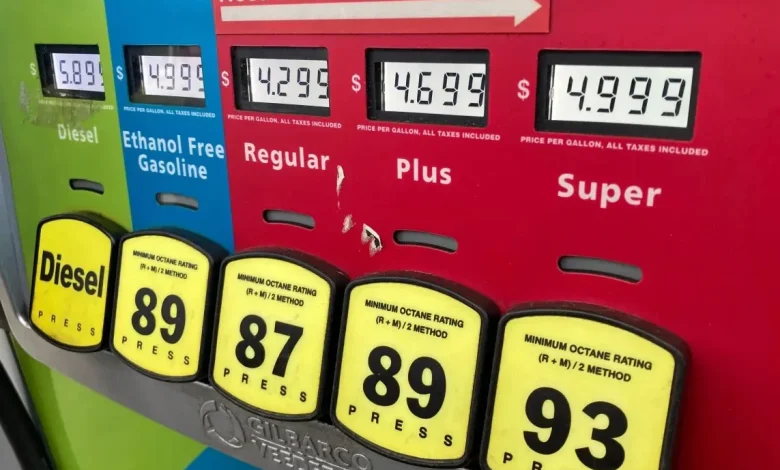
The primary driver behind the sudden resurgence of the hyper-local holiday is the relentless elevation of fuel costs. Across the United States, average pump prices have breached the psychological threshold of $4 per gallon, a figure that drastically alters the calculus of the traditional summer road trip. This spike is not an isolated phenomenon but rather the culmination of complex global economic factors. Reduced refining capacity, strategic production cuts by major global oil consortiums, and the continued transition toward renewable energy infrastructure have all combined to restrict the supply of cheap fossil fuels. Furthermore, the summer blend of gasoline, mandated by environmental regulations to reduce smog during the hotter months, inherently costs more to produce, adding an unavoidable premium just as driving demand peaks.
For the average American family driving a mid-sized SUV or minivan, the sheer cost of filling up the tank multiple times for an interstate journey has become prohibitively expensive. When a standard 500-mile road trip suddenly demands upwards of $150 to $200 in fuel alone—before accounting for tolls, maintenance, and inevitable pit-stop expenses—the traditional family vacation budget faces immense strain. As a direct consequence, consumer sentiment indices reveal a sharp contraction in intent to travel beyond a 100-mile radius of the primary residence, cementing the necessity of alternative summer plans.
Budgeting for the Unavoidable: How American Families are Adapting
Faced with these macroeconomic headwinds, American households are displaying remarkable resilience and creativity in how they allocate their leisure dollars. The typical middle-class vacation budget, which historically ranged between $2,000 and $4,000 for a week-long excursion, is being fiercely protected and re-routed. Rather than sacrificing the concept of a summer break entirely, families are stripping away the exorbitant transportation and lodging costs to maximize the “experience” portion of their budget closer to home.
This adaptation manifests in several distinct ways. Many families are purchasing seasonal passes to local theme parks, investing in community pool memberships, or booking short two-night stays at high-end downtown hotels within their own metropolitan areas—a concept widely marketed as “micro-cations.” By eliminating the grueling hours spent on the highway and the crushing expense of high-priced gasoline, families find they can actually afford premium dining, luxury spa treatments, and exclusive local entertainment that would typically be out of reach during a traditional destination vacation. The psychology has shifted from “getting away” to “upgrading the everyday.”
Analyzing the Financial Impact on Traditional Road Trips
Comparing Costs: Destination Vacations vs. Local Retreats
To truly understand the magnitude of this trend, one must analyze the stark contrast in expenditures between a traditional road trip and a localized summer retreat. The sheer volume of capital saved by remaining stationary provides a compelling argument for the stay-at-home model.
| Expense Category | Traditional Road Trip (7 Days) | Premium Staycation (7 Days) | Cost Difference |
|---|---|---|---|
| Transportation / Fuel | $450 | $50 | -$400 |
| Lodging / Hotels | $1,400 | $0 | -$1,400 |
| Dining & Groceries | $900 | $500 | -$400 |
| Activities & Entertainment | $600 | $800 | +$200 |
| Miscellaneous & Souvenirs | $250 | $100 | -$150 |
| Total Estimated Cost | $3,600 | $1,450 | -$2,150 |
As the data clearly illustrates, the localized model allows a family to drastically cut their overall expenditure by more than half, while simultaneously increasing their budget for actual activities and premium local experiences. This $2,150 surplus is increasingly being diverted into home improvements, savings accounts, or paying down high-interest consumer debt, reflecting a more cautious, economically defensive posture among the middle class.
The Aviation Alternative: Flight Costs Remain Stubbornly High
Historically, when driving became too expensive, consumers would look to the skies for competitive airfare deals. However, the aviation sector in 2026 offers little refuge for the budget-conscious traveler. Airlines are battling their own soaring jet fuel costs, labor shortages, and immense capital expenditures related to fleet modernization. In fact, major carriers are aggressively passing these costs onto the consumer, resulting in record-high domestic and international fares. For deep insights into how major carriers are balancing these operational challenges, one can look at the comprehensive fleet overhauls and strategic shifts in the aviation industry, which clearly indicate that cheap flights are a relic of the past.
With a family of four facing potential flight costs exceeding $2,000 just to reach a domestic destination—before any lodging or food is secured—flying has transformed into a luxury rather than a pragmatic alternative to the $4-per-gallon road trip. This compounding effect of high prices across both major transportation vectors acts as the ultimate catalyst for the domestic, stationary vacation.
Redefining the 2026 Summer Experience at Home
Bulk Buying and Backyard Upgrades
If Americans aren’t leaving their homes, they are certainly upgrading them to serve as private resorts. The retail sector is witnessing a massive surge in demand for outdoor living products, ranging from high-end modular grilling stations to inflatable smart-pools and cinematic outdoor projection systems. Consumers are calculating that a one-time investment of $1,500 in a backyard oasis provides a substantially higher return on investment than a fleeting weekend trip to a crowded coastal town.
Big-box retailers and wholesale clubs are aggressively capitalizing on this trend. They are reconfiguring their seasonal aisles to prioritize “resort-at-home” experiences, pushing premium meats, bulk gourmet foods, and oversized patio furniture. This shift in consumer purchasing behavior aligns perfectly with the recent strategic retail expansions and bulk inventory management models that dominate the 2026 commerce landscape. Families are discovering that by leveraging wholesale purchasing, they can host a week of extravagant backyard barbecues for a fraction of the cost of dining out at a tourist trap.
AI-Assisted Local Itinerary Planning
Another fascinating evolution in the 2026 staycation is the integration of advanced artificial intelligence to discover hidden local gems. Gone are the days of simply lounging on the couch; today’s hyper-local holiday is meticulously curated. Consumers are utilizing generative AI platforms to construct elaborate, personalized itineraries that uncover secret hiking trails, highly-rated but obscure local eateries, and community historical tours that they previously ignored.
By inputting parameters such as budget limits, dietary restrictions, and specific interests (like “family-friendly outdoor art installations within 20 miles”), AI serves as a bespoke local travel agent. This tech-driven approach has democratized hyper-local tourism, making the hometown feel brand new. The reliance on these digital concierges is a testament to the pervasive nature of the AI revolution, which has seamlessly transitioned from a corporate productivity tool to an essential consumer lifestyle companion.
The Broader Economic Implications of the Domestic Travel Shift
Severe Weather Considerations and Regional Vulnerabilities
While the economic barrier of $4 gas is the primary motivator, it is deeply intertwined with a rising anxiety regarding severe weather disruptions. The 2020s have seen an escalation in extreme meteorological events that have frequently ruined expensive, non-refundable vacations. Whether it’s sudden, massive flight cancellations due to regional storms or coastal destinations being evacuated, the risk profile of long-distance travel has unequivocally risen.
Families are increasingly unwilling to gamble thousands of dollars on a trip that might be derailed by unforeseen climate events. This apprehension is validated by continuous forecasts predicting aggressive storm seasons. For instance, the looming threat of superstorms, much like the detailed meteorological tracking and economic impact models for severe hurricanes, has conditioned consumers to value the safety, flexibility, and financial security of staying close to home. When weather strikes locally, a movie day in the living room costs nothing; when it strikes a destination resort, the financial losses are devastating.
The Impact on Local Tourism Boards and Hospitality
The pivot away from interstate travel presents both a crisis and a profound opportunity for regional economies. Traditional destination hotspots—such as remote national parks, specialized resort towns, and isolated coastal communities—are bracing for a significant drop in summer tourism revenue. Without the predictable influx of out-of-state license plates, these economies must urgently restructure their marketing efforts.
Conversely, suburban entertainment complexes, local museums, regional state parks, and city-center hospitality venues are experiencing an unprecedented renaissance. Local tourism boards are aggressively pivoting their advertising dollars away from national campaigns, focusing instead on hyper-targeted, geo-fenced marketing aimed at residents within a 50-mile radius. Campaigns urging residents to “Be a Tourist in Your Own City” are dominating social media feeds. For verifiable statistics on how consumer travel spending is shifting fundamentally across demographics, one can consult reports from the Bureau of Labor Statistics (BLS), which highlights the transition of leisure expenditures from transportation to local services.
Conclusion: Embracing the Hyper-Local Holiday Trend
As the summer of 2026 approaches, the reality of $4-per-gallon gas is fundamentally rewriting the script of the American vacation. The transition toward local retreats is not merely a reluctant concession to inflation, but rather a strategic, calculated evolution of leisure time. Families are discovering immense value, profound relaxation, and hidden regional treasures by choosing to anchor their summer plans close to home. By minimizing the immense financial drain and logistical stress of long-haul travel, consumers are reclaiming their time and their budgets. The 2026 summer will unequivocally be remembered as the year the hyper-local holiday matured from a temporary pandemic necessity into a permanent, highly sophisticated lifestyle choice.