Spotify 2026: The Complete Guide to AI, Pricing, and Market Expansion
Spotify continues to redefine the digital audio landscape, moving far beyond its origins as a simple music streaming service to become a comprehensive, multifaceted audio powerhouse in 2026. Over the past decade, the Swedish tech giant has systematically disrupted traditional radio, physical music sales, and localized audio distribution, setting the benchmark for what modern consumers expect from their digital entertainment platforms. This year marks a critical turning point for the company as it scales unprecedented heights in artificial intelligence integrations, global subscriber growth, and aggressive expansions into diverse audio formats including video podcasts and long-form audiobooks. This comprehensive analysis dives deep into the strategic maneuvers, technological innovations, and market dynamics that are fueling the company’s dominance. To stay updated with their official announcements, you can visit the official Spotify newsroom.
The Evolution of Audio Streaming in 2026
The landscape of streaming media has undergone a massive transformation, shifting from sheer catalog size to algorithmic precision and user retention. Audio platforms are no longer just vast repositories of songs; they are highly tuned ecosystems designed to maximize engagement, cross-promote different types of content, and lock users into continuous subscription cycles. The modern audio consumer expects a frictionless transition between a morning news podcast, a focused work music playlist, and an evening audiobook, all seamlessly delivered through a single interface. The company’s unique ability to unify these distinct auditory experiences under one cohesive brand has cemented its leadership position in a fiercely competitive market. Streaming platforms across the board are heavily pivoting their strategies to adopt bundled and unified experiences, similar to the broader streaming evolution observed with Hulu in the video sector.
Financial Performance and Subscriber Growth
Financially, the organization has achieved remarkable milestones by strictly prioritizing margin expansion and sustained profitability over pure, unrestrained growth at any cost. By refining its operational efficiencies and significantly reducing the overhead costs associated with legacy tech debt, the streaming behemoth has reported record operating incomes. Subscriber acquisition has remained robust, driven heavily by promotional bundling and strategic partnerships with telecommunications providers worldwide. Average Revenue Per User (ARPU) has seen a steady climb, largely attributed to disciplined price increases across established markets such as North America and Western Europe. Additionally, ad-supported revenue has grown exponentially, fueled by highly targeted, programmatic audio advertising tools that offer brands unparalleled insights into listener demographics and behavioral patterns. Financial analysts point out that tech-driven platforms are seeing unprecedented growth trajectories, echoing the broader macroeconomic trends detailed in the Nvidia 2026 stock forecast.
New AI Innovations Revolutionizing the Platform
Artificial intelligence has fundamentally altered the core architecture of the platform’s recommendation engine. Moving beyond simple collaborative filtering—where recommendations were primarily based on what similar users listened to—the system now employs sophisticated large language models and deep neural networks to understand the acoustic properties, lyrical themes, and emotional resonance of individual tracks. This nuanced understanding allows the application to serve the right audio to the right user at the exact right moment. The platform’s AI infrastructure now analyzes listening contexts, such as weather patterns, time of day, and even the pace of a user’s physical movement, to dynamically adjust content delivery. The integration of advanced machine learning algorithms ensures that hyper-personalization is not just a marketing buzzword, but an inherent, measurable reality of the user experience. Much like the fierce AI competition seen in the OpenAI vs Gemini 2.0 clash, audio streaming has become a primary battlefield for artificial intelligence supremacy.
Generative AI Playlists and Dynamic DJ Experiences
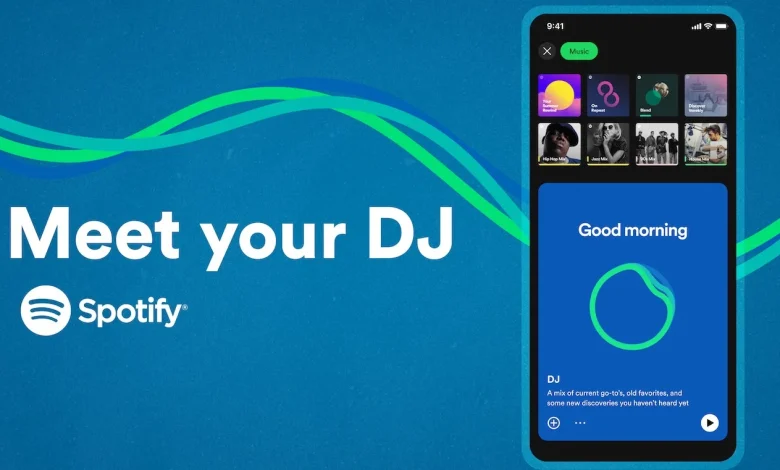
One of the most profound technological leaps is the deployment of generative AI to create fully synthesized, personalized DJ experiences and hyper-specific, user-prompted playlists. Users can now input complex text prompts, such as “give me upbeat indie folk songs for a rainy afternoon drive through the mountains,” and the system will instantly generate a perfectly curated, uninterrupted mix. The localized AI DJ feature has also seen massive expansion, now utilizing voice cloning and synthetic voice technology to provide localized commentary, track facts, and artist trivia in over forty languages. This conversational interface simulates the intimacy of traditional terrestrial radio but is armed with the infinite data of a global streaming catalog. The AI DJ transitions seamlessly between tracks, matching BPM and key signatures, providing a club-level mixing experience directly to the consumer’s smartphone or smart speaker.
Subscription Tiers: Pricing Updates for Global Markets
In response to rising licensing costs, inflation, and the continuous investment in platform infrastructure, the subscription model has been comprehensively revamped. The pricing strategy aims to capture value from highly engaged super-fans while maintaining accessibility for casual listeners. The historical “one size fits all” premium subscription has evolved into a highly segmented, multi-tiered offering. This tiered approach is reflective of broader industry trends, such as the latest streaming updates from Disney Plus, where digital content providers are experimenting with varied ad-supported and premium models to maximize total addressable market penetration.
| Subscription Tier | 2026 Pricing (USD) | Audio Quality | Key Features | Ad-Supported |
|---|---|---|---|---|
| Free Tier | $0.00 / month | Up to 160 kbps | Basic access, algorithmic shuffle, limited skips | Yes |
| Premium Individual | $11.99 / month | Up to 320 kbps | Unlimited skips, offline listening, full control | No |
| Premium Duo | $16.99 / month | Up to 320 kbps | 2 accounts, shared dynamic playlists | No |
| Premium Family | $19.99 / month | Up to 320 kbps | Up to 6 accounts, dedicated Kids application | No |
| Superpremium (HiFi) | $23.99 / month | Lossless (24-bit/192kHz) | AI playlist generation, advanced analytics, HiFi audio | No |
The Introduction of the Superpremium Tier
The highly anticipated “Superpremium” tier, previously rumored as the HiFi tier, has finally materialized, directly targeting audiophiles and power users. This tier offers pristine, uncompressed lossless audio, supporting high-resolution FLAC streaming up to 24-bit/192kHz. Furthermore, Superpremium subscribers unlock early access to ticketing for live events, exclusive digital merchandise drops, and an advanced dashboard of personal listening analytics that goes far beyond the annual “Wrapped” feature. The integration of spatial audio with dynamic head tracking brings a concert-hall experience to supported wireless headphones, completely redefining the standard for consumer audio fidelity. By locking these advanced features behind a higher paywall, the company successfully increases its maximum ARPU without alienating its massive base of standard Premium users.
Podcasting and Exclusive Audio Content Strategies
The approach to podcasting has matured significantly. The early 2020s strategy involved spending hundreds of millions of dollars to secure exclusive rights to blockbuster shows, restricting their availability entirely to a single platform. However, the paradigm has shifted toward broad syndication and maximized ad revenue. The current strategy involves retaining the sales rights and brand association with premier talent, but allowing their video and audio feeds to be distributed across competitor platforms like YouTube and Apple Podcasts. This open ecosystem approach ensures maximum total listenership, which in turn drives up the CPM (cost per mille) rates that the company can charge advertisers through its proprietary advertising network. The focus is no longer on gating content, but on dominating the monetization layer of the entire podcasting industry.
Expanding Audiobook Offerings
Audiobooks represent the next massive growth vector. By seamlessly integrating hundreds of thousands of audiobook titles directly into the main application interface, the platform has bypassed the traditional friction of requiring secondary apps or separate credit-based subscription models. Premium subscribers are currently allotted 15 hours of complimentary audiobook listening per month, heavily incentivizing the exploration of literary content. This frictionless gateway poses a severe, existential threat to established incumbents in the audiobook space. By leveraging its unparalleled recommendation engine, the service cross-pollinates listeners; an individual who frequently streams true crime podcasts will inherently be recommended top-tier true crime literature, effectively keeping the user within the ecosystem for longer durations.
Global Market Penetration and Regional Dominance
While the North American and European markets provide the majority of total revenue, the ultimate battleground for active user growth lies in emerging markets across Latin America, Southeast Asia, and the African continent. The company has aggressively optimized its application architecture to function seamlessly on lower-tier Android devices and in regions with highly constrained, low-bandwidth internet infrastructure. Localized curation teams are deeply embedded in these regions, ensuring that regional genres, dialects, and cultural audio trends are instantly amplified and supported by the global algorithmic engine.
The Impact of Emerging Markets on User Acquisition
Emerging markets require fundamentally different monetization strategies. While the standard monthly subscription fee in Western countries hovers around twelve dollars, subscription costs in countries like India or Nigeria are heavily subsidized, often featuring ultra-cheap daily or weekly micro-subscription passes. Though the direct revenue per user in these territories is vastly lower, the immense scale and sheer volume of active users provide a formidable bulwark against competing global tech conglomerates. Furthermore, securing brand loyalty early in developing economic regions ensures a lifetime user base as the middle class expands and disposable income for digital entertainment increases.
Competitive Landscape: Battling Other Tech Giants
The competitive environment remains incredibly hostile. The audio streaming sector is dominated by a handful of the largest technology corporations on the planet, each capable of absorbing massive losses in their audio divisions to bolster their wider hardware or service ecosystems. Competitors leverage deep integrations with their proprietary smartphones, smart speakers, and default operating systems to frictionlessly onboard users. In response, this platform has heavily invested in platform agnosticism, ensuring its application is universally available and deeply integrated into thousands of third-party devices, ranging from smart refrigerators to high-end automotive infotainment systems. The absolute ubiquity of the application is its greatest defensive moat.
Future Roadmap and Strategic Partnerships
Looking ahead, the strategic roadmap is heavily focused on the intersection of audio, automotive connectivity, and spatial computing. Deep integrations with major electric vehicle manufacturers allow the platform to serve as the default, voice-activated operating system for in-car entertainment. Additionally, the rapid development of mixed reality and spatial computing environments presents a new frontier for immersive, three-dimensional audio experiences. By continually forging strategic partnerships with hardware manufacturers, independent artists, and global telecommunications giants, the platform ensures it remains the indispensable, central nervous system of global digital audio consumption for decades to come.