Progressives Envision Woke 2: Can It Right Trump Era Wrongs?
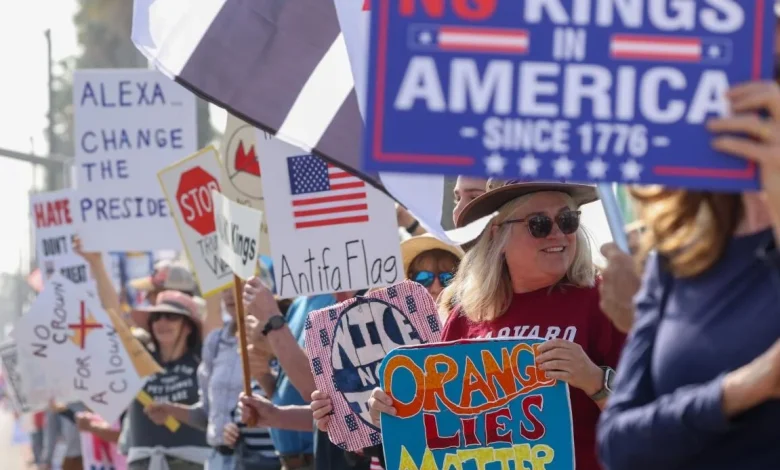
Progressives are currently architecting what political insiders are tentatively dubbing “Woke 2″—a highly structured, economically robust, and politically calculated evolution of modern leftist ideology. Emerging from the ashes of fractured identity politics and the intense cultural polarization of the past decade, this new political order is explicitly designed to right the perceived wrongs of the Trump administration. It represents a paradigm shift from the reactive outrage that characterized early social justice movements to a proactive, institution-building strategy. As the political landscape in 2026 grows increasingly complex, the fundamental question echoing through the halls of Washington and grassroots organizing committees alike is this: Does this refined, structural approach actually have a shot at dominating the national stage and achieving lasting governance?
The Conceptual Birth of Woke 2
The genesis of Woke 2 can be traced back to a critical post-mortem conducted by leftist strategists following the turbulent electoral cycles of the early 2020s. The original iteration of “wokeness” was highly decentralized, often defined more by viral social media moments and academic jargon than by actionable policy frameworks. While it successfully shifted cultural conversations around race, gender, and systemic inequality, it frequently alienated moderate voters and struggled to translate cultural victories into sustained legislative success. Woke 2 is an intentional correction. It seeks to marry the moral imperatives of social justice with hard-nosed political pragmatism. This conceptual birth is rooted in the realization that cultural dominance does not automatically equate to political power, especially when facing a highly mobilized conservative opposition that adeptly capitalized on the excesses of the original movement.
Defining the New Ideological Framework
At its core, Woke 2 is an ideological framework that prioritizes economic populism alongside social equity. It moves away from the hyper-individualized focus on language and personal grievance, pivoting instead toward universalist policies that disproportionately benefit marginalized communities without explicitly excluding the working-class white demographic. For instance, instead of merely debating representation in corporate boardrooms, Woke 2 emphasizes universal healthcare, aggressive anti-trust enforcement, and robust labor protections. This synthesis of class-based and identity-based politics aims to create a broader, more resilient coalition. By framing progressive policies as essential components of a functional, modern democracy rather than niche social justice initiatives, advocates hope to outmaneuver the culture war traps set by conservative strategists.
Distancing from Early Identity Politics
A critical component of Woke 2 is its deliberate distancing from the more polarizing elements of early identity politics. Strategists have noted that while the initial wave of social justice advocacy was necessary for raising awareness, its often punitive nature—characterized by public shaming and a rigid adherence to ideological purity—served as a political liability. Woke 2 emphasizes restorative justice, coalition building, and pragmatic compromise. It actively rejects the “cancel culture” narrative, focusing instead on structural accountability for institutions rather than interpersonal policing. This shift is designed to welcome defecting moderates and disillusioned conservatives who may be alienated by the current populist right but were previously repelled by the perceived radicalism of the progressive left. It is a calculated maturation of the movement, prioritizing the acquisition and exercise of political power over ideological purity.
Correcting the Trump Administration’s Legacy
The defining animus of Woke 2 is the systematic dismantling of the policy architecture erected during the Trump administration. Progressives view that era not merely as a political setback, but as an active assault on democratic norms, environmental protections, and civil rights. For advocates of Woke 2, righting the wrongs of the Trump era goes beyond merely reversing executive orders; it involves fundamentally restructuring American institutions to prevent a recurrence of such governance. This ambition necessitates a comprehensive overhaul of the judiciary, the administrative state, and the electoral system itself. As detailed in recent analyses regarding Donald Trump news 2026 geopolitical shifts, the enduring influence of his administration requires a counter-movement of equal or greater systemic ambition.
Institutional Restoration and Policy Reversals
Institutional restoration under the Woke 2 framework involves aggressive legislative action aimed at codifying protections that were previously reliant on historical norms. This includes the push for comprehensive voting rights legislation, the expansion or reform of the Supreme Court, and the tightening of executive branch ethics rules. Progressives argue that the Trump administration exposed the fragility of American institutions, demonstrating how easily unwritten rules could be violated. Woke 2 demands hard, statutory guardrails. Furthermore, reversing the legacy involves an aggressive approach to environmental regulation, seeking not only to reinstate the standards rolled back during the Trump years but to enact sweeping climate legislation that fundamentally transitions the American economy away from fossil fuels. It is an agenda of structural fortification.
Economic Equality and Systemic Reforms
Economic policy within the Woke 2 paradigm is inextricably linked to racial and social justice. The movement argues that the deregulation and tax cuts of the Trump era exacerbated wealth inequality, disproportionately harming minority and working-class communities. To counter this, Woke 2 proposes systemic economic reforms, including targeted wealth taxes, the strengthening of union bargaining power, and massive federal investments in affordable housing and green infrastructure. Additionally, efforts to alleviate systemic debt, such as the initiatives analyzed in the Biden student loan forgiveness 2026 legal analysis, are viewed not as standalone economic reliefs, but as vital mechanisms for closing the racial wealth gap and empowering a new generation of politically active citizens.
The Role of Grassroots and Digital Mobilization
The operational engine of Woke 2 relies heavily on highly sophisticated grassroots networks and digital mobilization strategies. Unlike the organic, often chaotic digital uprisings of the 2010s, the current progressive infrastructure is deeply organized, data-driven, and continuously engaged. Organizations are leveraging advanced analytics to identify and mobilize low-propensity voters, utilizing hyper-targeted messaging that resonates with specific demographic anxieties and aspirations. This mobilization is not solely focused on federal elections; there is a profound emphasis on capturing state legislatures, school boards, and municipal governments, reflecting a deep understanding that the conservative movement built its power from the ground up over several decades.
Social Media Algorithms and Algorithmic Justice
Recognizing the pivotal role that digital platforms play in shaping public opinion, Woke 2 advocates are increasingly focused on the concept of algorithmic justice. They argue that the algorithms governing major platforms have historically favored sensationalist, right-wing populist content, thereby skewing the political discourse. The movement is actively pushing for regulatory frameworks that demand algorithmic transparency and accountability from tech giants. By understanding and manipulating these digital ecosystems, much like the corporate strategies outlined in the Facebook 2026 major AI innovations, progressives aim to neutralize the digital advantages previously enjoyed by conservative networks, ensuring their updated ideological framework can disseminate without artificial suppression or algorithmic bias.
Electoral Viability: Does Woke 2 Have a Shot?
The ultimate test of Woke 2 is its electoral viability. While the intellectual framework is robust and the digital infrastructure is formidable, translating these assets into consistent electoral victories remains a daunting challenge. The American electorate is deeply entrenched, and structural advantages in the Senate and the Electoral College heavily favor rural, conservative populations. However, progressives are betting on long-term demographic shifts to tip the scales. The increasing diversity of the electorate, combined with the generational turnover as older conservative cohorts diminish, provides a mathematical pathway to sustained power. According to polling data from institutions like the Pew Research Center, younger generations exhibit markedly higher support for structural systemic changes compared to their predecessors.
| Feature | Woke 1.0 (2014-2020) | Woke 2 (2025-Present) |
|---|---|---|
| Primary Focus | Cultural discourse, representation, language policing | Structural economic reform, institutional accountability |
| Economic Policy | Secondary to social issues, corporate diversity initiatives | Central pillar: wealth redistribution, labor rights, anti-trust |
| Political Strategy | Activism, protest, public shaming (cancel culture) | Legislation, coalition building, restorative justice |
| Target Audience | Urban elites, college-educated youth | Working-class families, diverse coalitions, moderate defectors |
| Approach to Trump Legacy | Reactive outrage, resistance | Proactive institutional reform, statutory guardrails |
Demographics and the Gen Z Voting Bloc
The ascension of Generation Z into the voting electorate is the primary catalyst fueling optimism for Woke 2. This demographic is historically unprecedented in its racial diversity, its digital nativism, and its progressive leanings on issues ranging from climate change to LGBTQ+ rights. Woke 2 is explicitly tailored to mobilize this bloc by addressing their profound economic anxieties—such as housing unaffordability and stagnant wages—while validating their foundational social values. If progressives can maintain the high turnout rates observed among young voters in recent cycles and solidify their allegiance to the Woke 2 platform, they could create an insurmountable demographic firewall against conservative resurgence in key battleground states.
Centrist Pushback and the Moderation Dilemma
Despite its promise, Woke 2 faces significant internal and external resistance, primarily from the centrist wing of the Democratic Party and independent swing voters. These groups harbor deep skepticism toward rapid structural change, fearing economic instability and cultural whiplash. The moderation dilemma requires Woke 2 strategists to thread a remarkably delicate needle: they must project enough radical ambition to inspire the progressive base while maintaining a veneer of pragmatic stability to avoid terrifying the suburban moderates who were instrumental in rejecting the Trump administration. This tension is the movement’s greatest vulnerability; any major misstep in messaging could result in devastating electoral blowback, as moderates may retreat to the perceived safety of conservative economic policies.
The Conservative Counter-Strategy
The conservative establishment is acutely aware of the Woke 2 evolution and has developed a comprehensive counter-strategy to neutralize its momentum. This strategy involves aggressively branding any systemic reform—whether it be in healthcare, education, or environmental policy—as dangerous, radical overreach that threatens fundamental American freedoms. The right intends to weaponize the term “Woke” further, attempting to chain Woke 2 to the most extreme and unpopular fringes of the early social justice movement. By continuously stoking cultural anxieties and framing the progressive agenda as an elitist assault on traditional values, conservative strategists hope to drive a wedge between the progressive intellectual class and the multi-racial working-class voters that Woke 2 so desperately needs to court.
Weaponizing “Woke” in 2026 and Beyond
As the 2026 midterms and subsequent presidential cycles approach, the weaponization of the “Woke” label will likely reach unprecedented levels of sophistication. Conservative media ecosystems will amplify specific instances of progressive overreach, utilizing them as metonymy for the entire Woke 2 platform. This tactic aims to create a pervasive sense of cultural exhaustion among the electorate, presenting the right as the sole guarantor of normalcy and common sense. For Woke 2 to succeed, progressives must develop an immunity to these attacks, not by engaging in defensive semantic debates, but by relentlessly pivoting the conversation back to tangible economic and systemic benefits. The ability to control the narrative and define Woke 2 on their own terms will dictate the movement’s survival.
Conclusion: The Path Forward for Modern Leftism
Progressives are standing at a critical juncture in American political history. The dream of Woke 2—a highly organized, economically focused, and structurally ambitious political order—represents the most significant evolution in leftist strategy in a generation. By moving beyond the reactive identity politics of the past and aiming to correct the systemic vulnerabilities exposed by the Trump administration, this new framework offers a potent vision for the future of the nation. However, whether it has a real shot at enduring success depends entirely on execution. The movement must successfully integrate grassroots energy with pragmatic governance, overcome deep-seated centrist anxieties, and survive a relentless, heavily funded conservative counter-offensive. If Woke 2 can maintain its discipline and broaden its coalition, it possesses the undeniable potential to fundamentally rewrite the American social contract for decades to come.