Palm Sunday 2026: Global Celebrations and Traditions
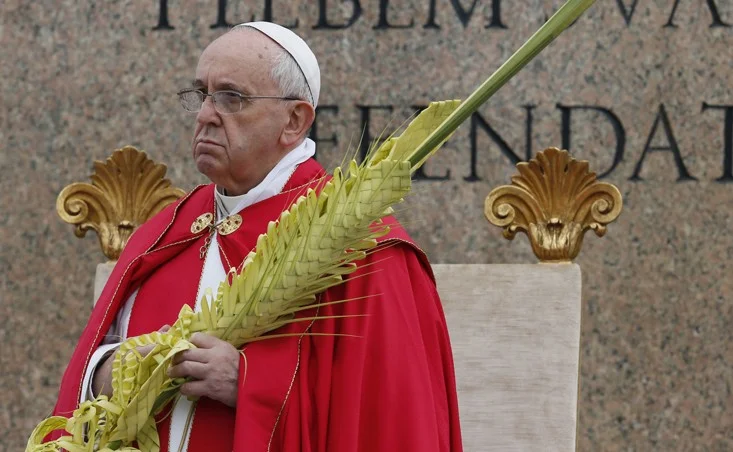
Palm Sunday 2026 marks the monumental beginning of Holy Week, inviting millions of believers across the globe into a season of deep spiritual reflection, profound liturgical commemoration, and communal reverence. Falling on March 29, 2026, this sacred day commemorates the triumphal entry of Jesus Christ into Jerusalem, an event vividly detailed in all four canonical Gospels. As the faithful gather in cathedrals, basilicas, and local parish churches, the waving of palm branches serves as a timeless symbol of peace, victory, and eternal hope. In an era marked by rapid technological advancement and complex global dynamics, the traditions of Palm Sunday remain a vital anchor for the Christian faith, bridging ancient scriptural narratives with contemporary expressions of devotion. This comprehensive analysis explores the historical foundations, global observances, economic impacts, and digital evolutions shaping the observance of Palm Sunday in 2026.
Historical Foundations and the Liturgical Significance
The historical and theological roots of Palm Sunday run deep within the Christian tradition. Often referred to as Passion Sunday, this day serves a dual liturgical purpose: it celebrates the joyous arrival of Christ in Jerusalem while simultaneously initiating the solemn remembrance of His impending passion, crucifixion, and death. The contrast between the jubilant crowds shouting Hosanna and the tragic events of Good Friday provides a profound spiritual narrative that challenges believers to examine their own faith and devotion. Throughout the centuries, the liturgical structure of Palm Sunday has evolved, yet the core message remains unchanged. Church fathers and theologians have long emphasized the importance of this day as a critical transition point in the liturgical calendar, moving the faithful from the reflective period of Lent into the intense spiritual drama of the Paschal Triduum.
The Triumphal Entry into Jerusalem
According to biblical accounts, Jesus rode into Jerusalem on a young donkey, fulfilling the ancient prophecy of Zechariah 9:9, which spoke of a humble king bringing salvation and peace. The crowds that gathered to welcome Him spread their cloaks on the road and waved branches from palm trees, a traditional symbol of triumph and victory in the ancient Greco-Roman and Jewish worlds. In 2026, sermons and homilies across various denominations continue to draw profound contemporary parallels from this historic moment. The humility of Christ, juxtaposed against the typical militaristic arrivals of ancient conquerors, offers a powerful message of servant leadership and non-violent grace. This narrative is meticulously read during the Liturgy of the Palms, setting a contemplative tone for the extended reading of the Passion narrative that follows in the main service.
Global Observations on March 29, 2026
Across the world, Palm Sunday 2026 is being observed with awe-inspiring ceremonies that highlight the universal nature of the Christian faith. In Vatican City, St. Peter’s Square is once again filled with tens of thousands of pilgrims, clergy, and dignitaries holding intricately woven palm fronds and olive branches. The Papal Mass, broadcasted globally, serves as a focal point for the world’s over one billion Catholics. The Pope’s homily traditionally addresses urgent global issues, weaving the message of Christ’s peace into the fabric of contemporary societal struggles. Similarly, in Protestant and Orthodox congregations worldwide, distinct yet unified observances emphasize the solemnity and joy of the day. From the grand cathedrals of Europe to vibrant outdoor processions in Latin America and Africa, the universal church is united in this ancient liturgical action.
Jerusalem’s Sacred Processions and Geopolitics
Nowhere is the observance of Palm Sunday more physically resonant than in Jerusalem itself. Thousands of local Christians and international pilgrims participate in the traditional procession tracing the footsteps of Jesus from the Mount of Olives, past the Garden of Gethsemane, and into the Old City through the Lion’s Gate. However, in 2026, these celebrations occur against a backdrop of complex regional dynamics. Ensuring the safety and security of the faithful requires immense coordination among local authorities. The delicate balance of faith and security in the region mirrors broader geopolitical developments, such as the ongoing strategic shifts in the Middle East, which heavily influence the flow of international religious tourism and diplomatic relations in the Holy Land.
Comparative Analysis of Regional Liturgical Traditions
While the theological core of Palm Sunday is universal, the cultural expressions and botanical elements utilized in the liturgy vary significantly based on geography and local climate. This diversity highlights the adaptability and localized integration of global Christian practices.
| Region | Primary Plant Used | Unique Local Tradition | Symbolic Meaning |
|---|---|---|---|
| Mediterranean (Italy, Spain) | Olive Branches & Palms | Intricate weaving of fronds into crosses | Peace, victory, and martyrdom |
| Eastern Europe (Poland, Ukraine) | Pussy Willows | Blessing of willow branches and vibrant floral displays | Resurrection, spring awakening, and new life |
| United Kingdom | Palm Crosses | Distribution of small woven crosses to the congregation | Personal devotion and protection |
| Latin America | Local Palms | Elaborate street processions with statues of Christ | Community solidarity and public faith expression |
The Eco-Palm Movement and Sustainable Sourcing
An increasingly prominent aspect of Palm Sunday in 2026 is the global push for ecological responsibility within church practices. The harvesting of millions of palm fronds annually historically led to deforestation and the exploitation of agricultural workers in developing nations. To combat this, the Eco-Palm movement has gained massive traction. Thousands of congregations now strictly purchase sustainably harvested and fairly traded palms. This initiative not only protects vital rainforest ecosystems but also ensures that the workers harvesting the palms receive a living wage. The integration of environmental stewardship into liturgical practices reflects a growing theological awareness that caring for creation is deeply intertwined with living out the gospel message of justice and peace.
Economic and Market Impacts of Holy Week
Beyond its profound spiritual significance, Palm Sunday 2026 initiates an intensive week of economic activity. Holy Week is a critical period for global commerce, particularly in the travel, retail, and agricultural sectors. The surge in religious tourism brings millions of dollars in revenue to pilgrimage sites across the Middle East, Europe, and the Americas. Airlines, hospitality industries, and local vendors experience a significant spike in demand. Simultaneously, the financial markets often observe shifts in trading volumes as investors and institutions prepare for the upcoming Easter holiday closures. Analysts carefully monitor these trends, comparing the holiday spending patterns to broader economic indicators such as global financial trends and commodity pricing to gauge overall consumer confidence and market stability.
Retail Dynamics and Consumer Behavior
In the retail sector, Palm Sunday signals the final countdown to Easter, prompting a massive surge in consumer spending. Supermarkets, apparel stores, and specialty shops launch extensive marketing campaigns focused on holiday meals, spring clothing, and seasonal decorations. The logistical orchestration required to meet this demand is immense. Major retail giants rely heavily on advanced supply chain management to ensure that shelves are stocked and digital orders are fulfilled efficiently. Examining the global retail blueprint of major corporations reveals how heavily they depend on predictable seasonal spikes like Holy Week to meet their quarterly revenue targets. Consumer behavior during this week often serves as a reliable barometer for the economic health of the middle class.
Digital Media Integration and Virtual Worship
The landscape of religious observance has been permanently transformed by the digital revolution. While in-person attendance at Palm Sunday services remains strong in 2026, the integration of high-definition digital streaming and virtual reality has expanded the reach of the church exponentially. Parishes and international ministries utilize advanced broadcasting tools to ensure that the homebound, the ill, and those residing in remote areas can fully participate in the Liturgy of the Palms. Furthermore, religious educational content, interactive Bible studies, and virtual choir performances have become standard supplementary offerings during Holy Week, bridging the physical and digital realms to foster a global sense of spiritual community.
Streaming Platforms Bridging Global Faiths
Major secular media and streaming networks have also recognized the immense audience demand for high-quality religious programming during Holy Week. Documentaries detailing the historical Jesus, live broadcasts of major international liturgies, and cinematic retellings of biblical epics dominate the viewing charts. This evolution in streaming platforms demonstrates a strategic effort by media conglomerates to cater to the faith-based demographic. By offering dedicated hubs for inspirational and religious content, these platforms provide an accessible avenue for millions to engage with the themes of Palm Sunday, further blurring the lines between traditional broadcast media and interactive digital worship.
A Spiritual Roadmap Towards Easter Sunday
As the sun sets on Palm Sunday 2026, the global Christian community transitions into the solemn reflection of Holy Week. The joyful echoes of Hosanna gradually fade, replaced by the somber preparations for Maundy Thursday and Good Friday. This temporal journey through the passion, death, and ultimate resurrection of Christ is designed to be a transformative experience. Believers are called to utilize the days following Palm Sunday for intense prayer, fasting, and acts of charity. Through the meticulous observance of these ancient traditions, heavily supported by modern Vatican News coverage and local pastoral efforts, the faithful are spiritually fortified. Palm Sunday is not merely a historical reenactment; it is a living, breathing testament to enduring faith, a vibrant call to spiritual awakening, and the essential gateway to the triumphant joy of Easter morning.