NASA’s Towering Artemis II Moon Rocket Rolls Out to Launch Pad for Critical Testing
On Saturday, January 17, 2026, NASA marked a major achievement in the Artemis program with the successful Artemis II rollout. The powerful Space Launch System (SLS) rocket, fully stacked with the Orion spacecraft, was transported from the Vehicle Assembly Building (VAB) to Launch Pad 39B at Kennedy Space Center in Florida. This critical launch pad testing phase is one of the final key steps before sending four astronauts on humanity’s first crewed journey around the Moon since Apollo 17 in 1972.
Witness the awe-inspiring towering SLS Artemis II as it embarks on its historic trek:
The Artemis II Rollout: Details of the Epic 4-Mile Journey
The Kennedy Space Center rollout commenced at approximately 7:04 a.m. EST and concluded at 6:42 p.m. EST, spanning nearly 12 hours. The crawler-transporter 2 carried the integrated stack—including the SLS rocket launch pad setup, Orion spacecraft, and mobile launcher—along the iconic four-mile crawlerway at a careful speed of about 1 mile per hour.
This deliberate pace protects the massive 322-foot-tall structure, weighing roughly 11 million pounds (with the full transporter configuration approaching 15 million pounds). The crawlerway, lined with river rock that acts as natural ball bearings, is the same path used by Saturn V rockets during the Apollo program.
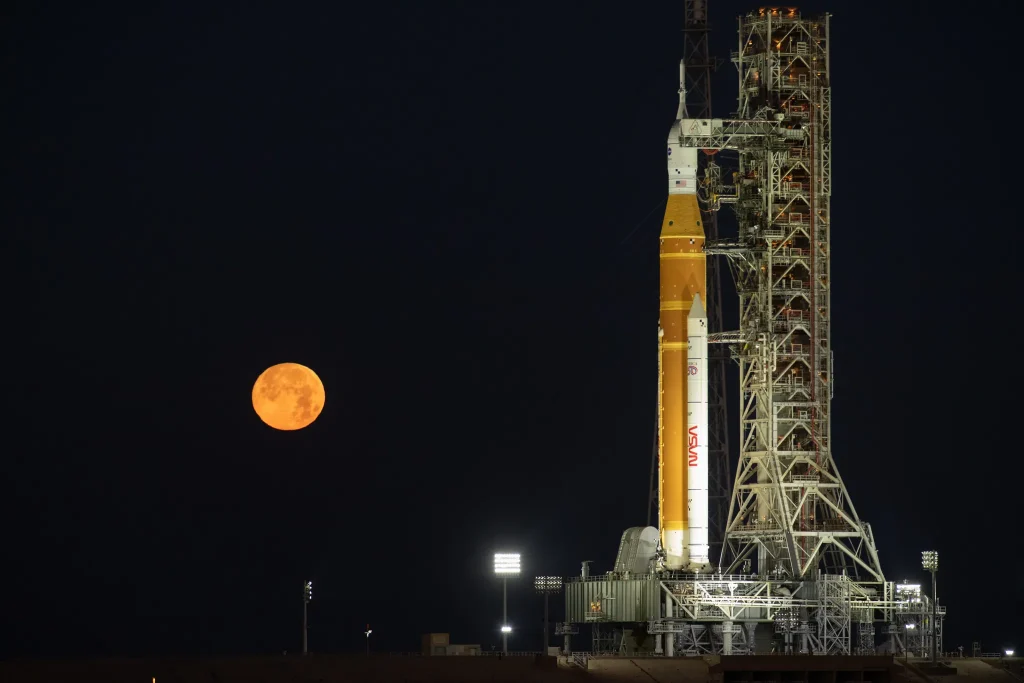
As night fell, floodlights illuminated the scene, creating unforgettable views of the NASA moon rocket arriving at its destination.
Here are more stunning images of the towering SLS Artemis II secured at Launch Pad 39B:
Why Critical Launch Pad Testing Is Essential for Success
With the vehicle now at Launch Pad 39B—a historic site that launched Apollo 10, numerous Space Shuttle missions, and the uncrewed Artemis I—the focus shifts to final preparations and rehearsals.
The next major event is the Artemis II wet dress rehearsal, targeted for February 2, 2026. During this test, teams will:
- Load over 700,000 gallons of super-cold cryogenic propellants (liquid hydrogen and liquid oxygen).
- Conduct a full launch countdown sequence, stopping at T-minus 29 seconds.
- Practice safe propellant offloading.
This rehearsal simulates launch-day operations to detect potential issues like leaks or sensor problems, ensuring everything is flight-ready. If challenges arise, NASA may perform additional tests or rollback the stack to the VAB for adjustments—prioritizing crew safety above all.
Technical Highlights: The SLS Rocket and Orion Spacecraft
The towering SLS Artemis II stands as NASA’s most powerful rocket ever built:
- Height: 322 feet (taller than the Statue of Liberty).
- Thrust: Equivalent to 13 jumbo jets at liftoff.
- Powered by four RS-25 core stage engines (refurbished from Space Shuttle heritage) and twin solid rocket boosters.
Orion, the advanced crew capsule, will support a ~10-day mission: high Earth orbit checkout, trans-lunar injection, a lunar flyby using the Moon’s gravity for a free-return trajectory, and a Pacific Ocean splashdown—venturing farther from Earth than any human since 1972.
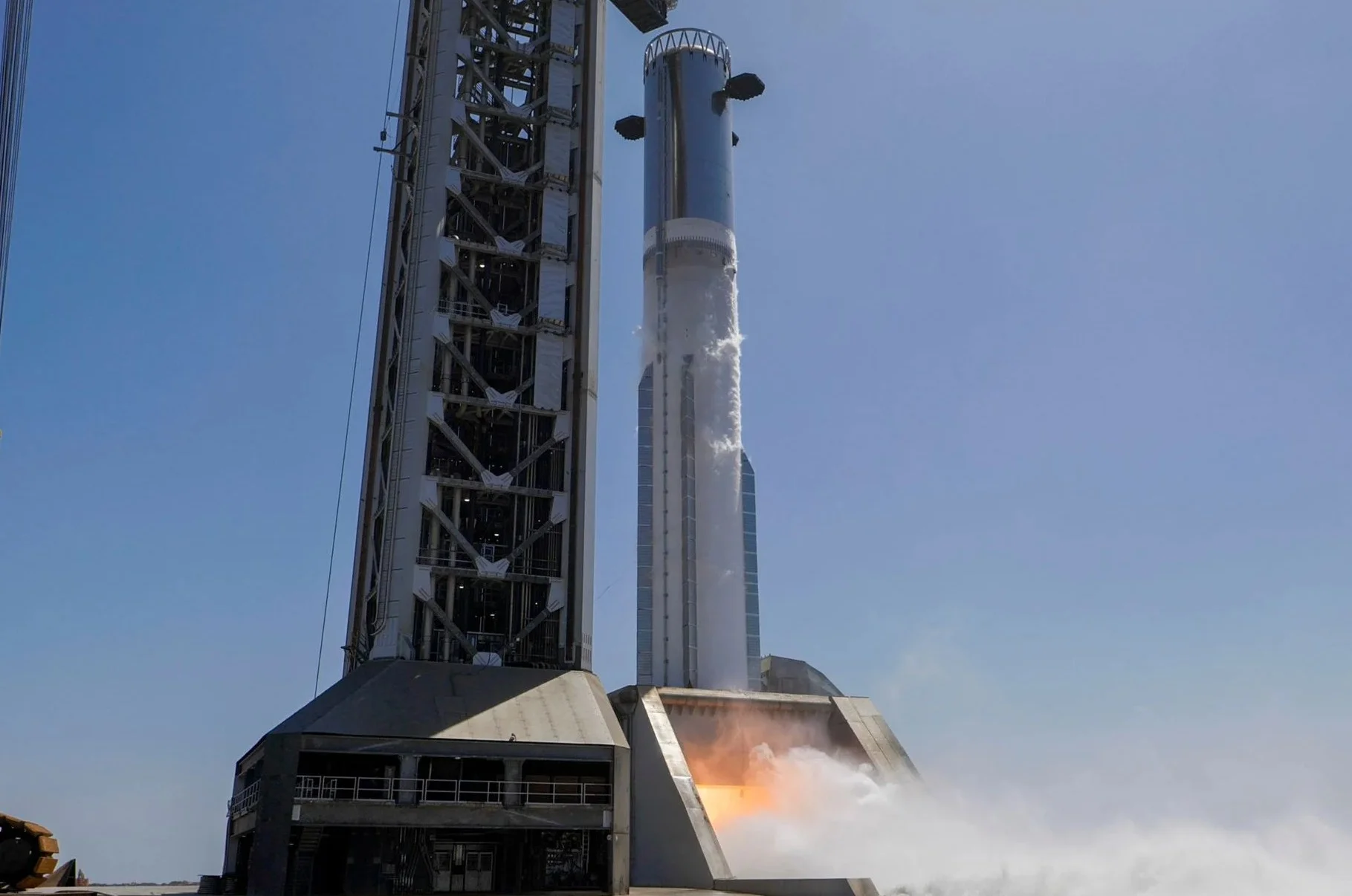
These images capture the scale and power of the NASA moon rocket at the pad:
NASA rolls out SLS rocket for Artemis II moon mission
The International Artemis II Crew and Mission Importance
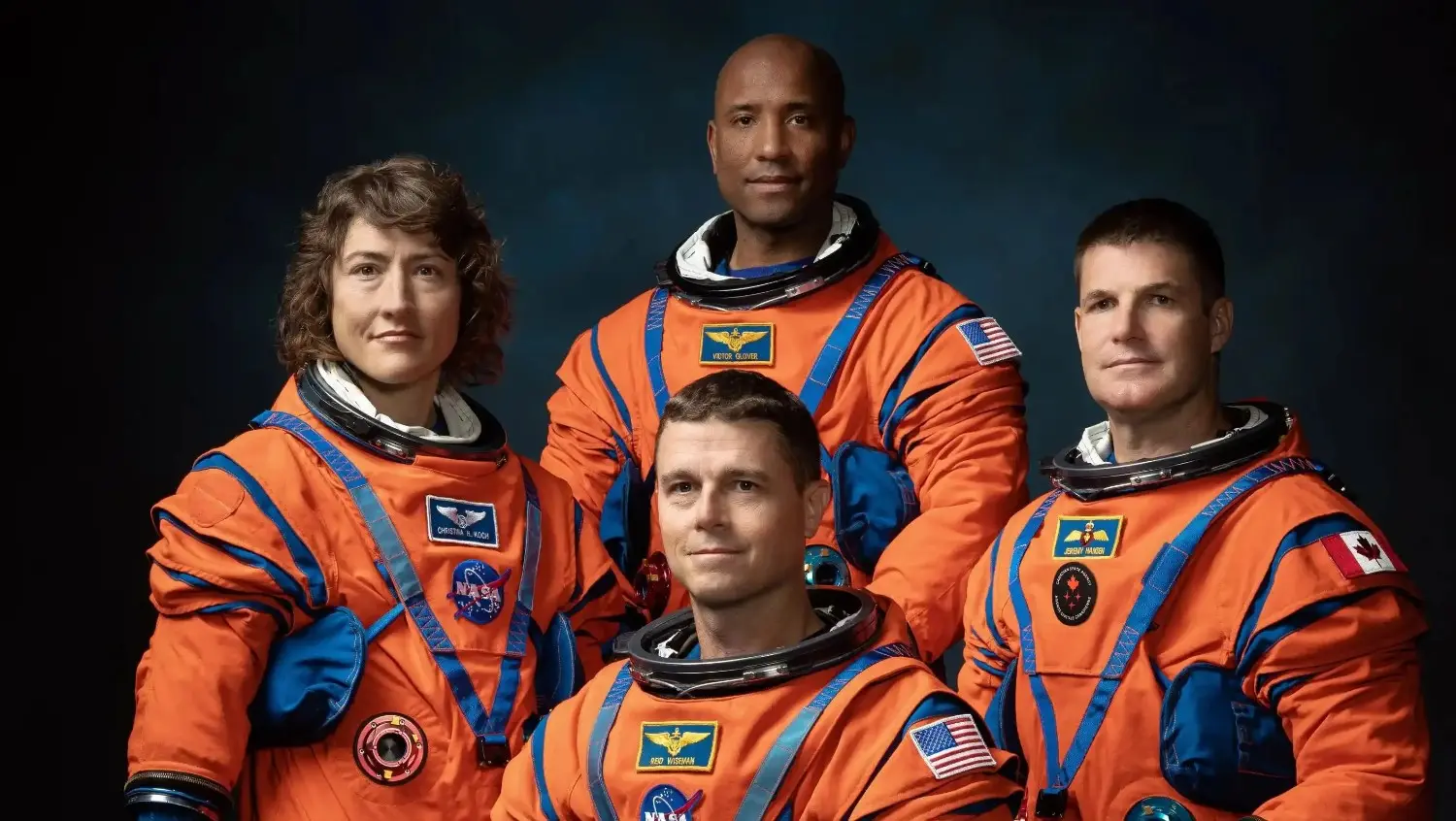
The crew for this groundbreaking flight includes:
- Commander Reid Wiseman (NASA)
- Pilot Victor Glover (NASA)
- Mission Specialist Christina Koch (NASA)
- Mission Specialist Jeremy Hansen (Canadian Space Agency)
Artemis II builds directly on the uncrewed Artemis I success in 2022. It will rigorously test life support systems, radiation protection, deep-space navigation, and more—critical foundations for sustainable lunar exploration, future landings (starting with Artemis III), and eventual crewed missions to Mars.
Next Steps in the Artemis II Timeline
- Wet dress rehearsal — February 2, 2026 (potential additional sessions if required).
- Crew pad walkdown and emergency egress procedures.
- Flight Readiness Review to confirm overall mission status.
- Launch window opening no earlier than February 6, 2026 (with daily opportunities February 6–8, 10–11, and backups in March/April).
NASA teams are working meticulously, with crew safety as the absolute top priority.
This Artemis II rollout and upcoming testing represent humanity’s bold return to deep space exploration.
Frequently Asked Questions (FAQ) About the Artemis II Rollout and Mission
What is the Artemis II rollout? The Artemis II rollout is the transport of the fully stacked SLS rocket and Orion spacecraft from the Vehicle Assembly Building to Launch Pad 39B on January 17, 2026—a key milestone before final testing.
When did the SLS rocket arrive at Launch Pad 39B? The SLS rocket launch pad arrival was completed at 6:42 p.m. EST on January 17, 2026, following a nearly 12-hour journey.
What happens during the Artemis II wet dress rehearsal? The Artemis II wet dress rehearsal, set for February 2, 2026, involves loading cryogenic propellants, running a full countdown, and offloading—simulating launch without the crew to verify systems.
Who comprises the Artemis II crew? Commander Reid Wiseman, Pilot Victor Glover, Mission Specialist Christina Koch (NASA), and Mission Specialist Jeremy Hansen (Canadian Space Agency).
What is the earliest possible launch date for Artemis II? No earlier than February 6, 2026, depending on successful testing and weather/orbital conditions.
How tall and heavy is the SLS rocket? 322 feet tall and approximately 11 million pounds (stack weight during rollout).
Does Artemis II include a Moon landing? No—Artemis II is a crewed lunar flyby to test systems; landings begin with Artemis III (targeted no earlier than 2027).
Why is Launch Pad 39B significant? It has hosted Apollo launches, Space Shuttle missions, Artemis I, and will support all future SLS missions.
What if problems occur during testing? NASA may conduct extra rehearsals or rollback to the VAB—safety always comes first.
How does Artemis II contribute to future space exploration? It validates deep-space technologies for sustainable Moon presence, scientific research, and crewed journeys to Mars.