NASA Artemis II Launch: Final Countdown & Mission Guide (February 2026 Status)
Executive Insights
- Artemis II is the first crewed lunar mission since Apollo 17 in 1972.
- Launch is targeted for February 8, 2026, following a successful Wet Dress Rehearsal.
- The 4-person crew includes the first woman and first person of color to go to the Moon.
- The mission utilizes a free-return trajectory for maximum crew safety during the 10-day flight.
- Success paves the way for the Artemis III lunar landing and future Mars exploration.
Current Status: As of February 3, 2026, NASA is concluding final Wet Dress Rehearsal tests. The launch window opens no earlier than February 8, 2026.
The Wait is Almost Over
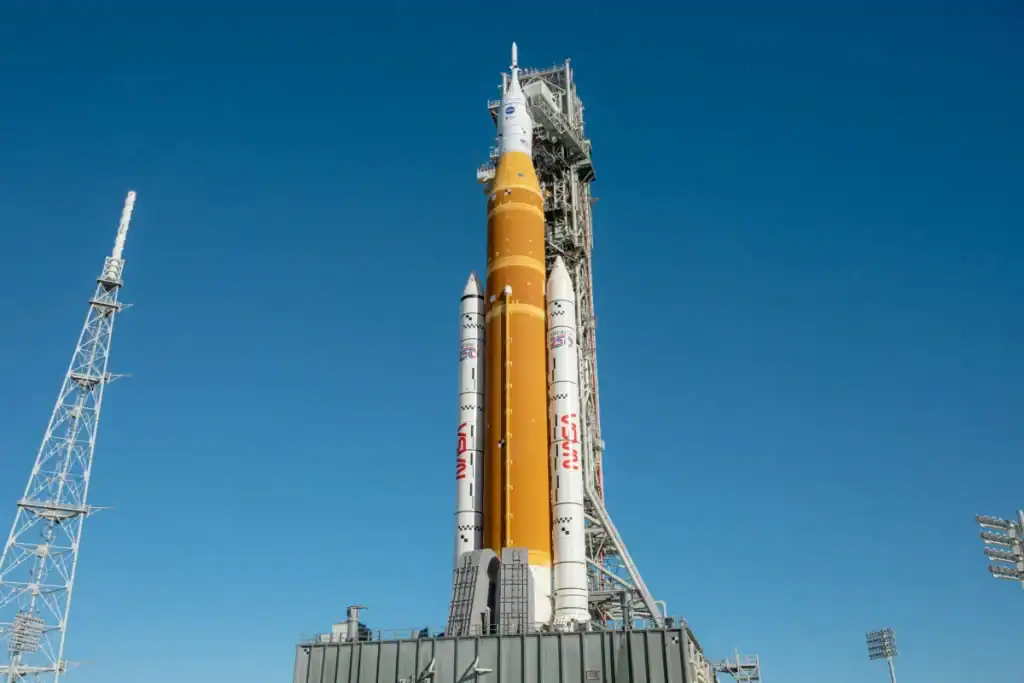
After more than 50 years since the final Apollo mission, humanity is poised to leave Low Earth Orbit once again. NASA’s Artemis II mission is not just a test flight; it is the definitive proof of concept for the Artemis era. Currently sitting on Launch Complex 39B at the Kennedy Space Center, the Space Launch System (SLS) and Orion spacecraft are undergoing final preparations following delays caused by an Arctic freeze in Florida.
This mission will send four astronauts on a 10-day journey around the Moon, testing the life-support systems needed for future lunar surface landings. Unlike the uncrewed Artemis I, this flight puts human lives—and the future of deep space exploration—on the line.
Mission Status & Launch Window (February 2026 Update)
The timeline for Artemis II has shifted slightly due to weather constraints. Originally targeting early February, the schedule has been adjusted:
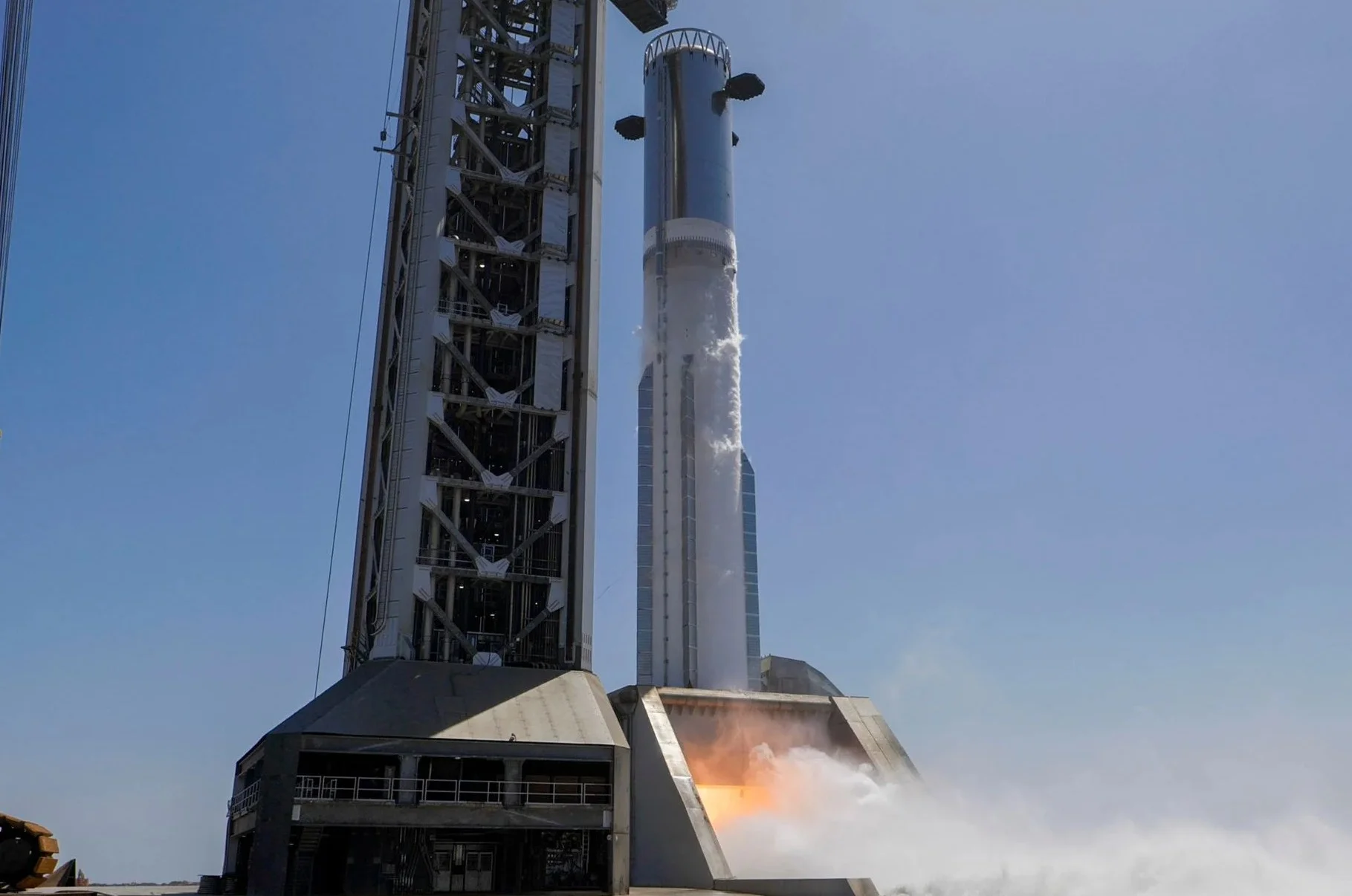
- Wet Dress Rehearsal (WDR): Conducted February 2–3, 2026. This critical test simulates a full launch countdown, including filling the rocket’s tanks with over 700,000 gallons of super-cold liquid oxygen and hydrogen.
- Target Launch Date: No Earlier Than (NET) February 8, 2026.
- Backup Opportunities: If the February 8 window is missed, additional opportunities exist through mid-February and into March 2026.
Engineers are currently analyzing data from the WDR to ensure the SLS Block 1 rocket and ground systems are ready for the final “Go/No-Go” poll.
Meet the Artemis II Crew
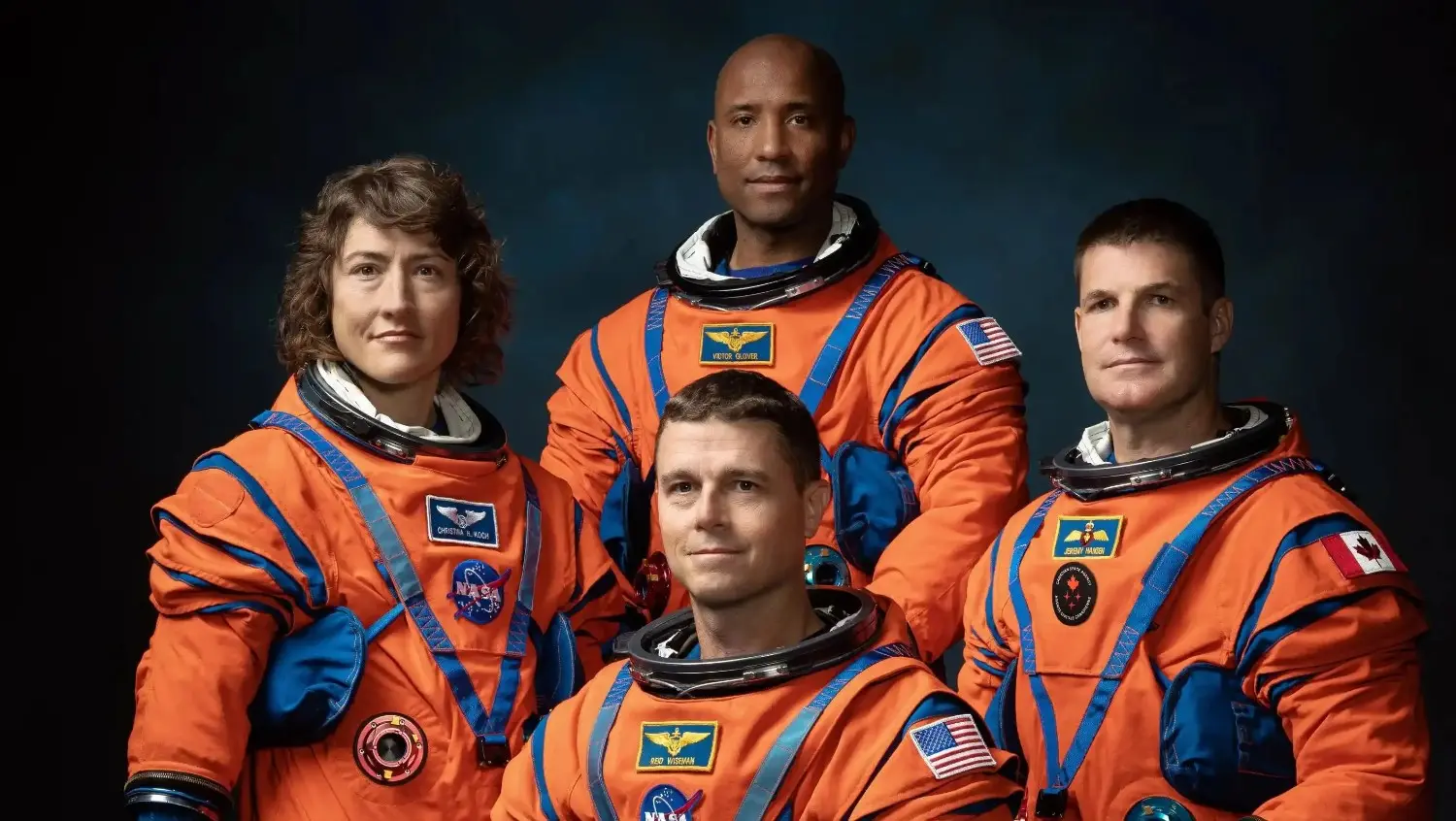
The four astronauts selected for this historic flyby represent a diverse “Artemis Generation.” They will be the first humans to travel to the lunar vicinity since 1972.
| Role | Astronaut | Agency | Key Significance |
|---|---|---|---|
| Commander | Reid Wiseman | NASA | Former Chief of the Astronaut Office; previously flew on the ISS. |
| Pilot | Victor Glover | NASA | First person of color to leave Low Earth Orbit. Naval aviator with SpaceX Crew-1 experience. |
| Mission Specialist | Christina Koch | NASA | First woman to go to the Moon. Holds the record for longest single spaceflight by a woman (328 days). |
| Mission Specialist | Jeremy Hansen | CSA | First Canadian and non-American to travel to deep space. |
The Flight Path: A Hybrid Free Return Trajectory
The Artemis II flight profile is unique. Unlike Apollo missions that entered a low lunar orbit, Artemis II will perform a lunar flyby using a “hybrid free return trajectory.” This safety-first approach ensures that gravity will naturally pull the spacecraft back to Earth even if the main engine fails after the translunar injection burn.
Key Mission Phases
- Launch & Orbit: The SLS rocket lifts off, generating 8.8 million pounds of thrust. The Orion capsule enters an initial elliptical Earth orbit.
- Systems Check: The crew will manually pilot Orion in Earth orbit to demonstrate handling qualities—a critical test that hasn’t been done since the Gemini program.
- Translunar Injection (TLI): The Interim Cryogenic Propulsion Stage (ICPS) fires to send Orion toward the Moon.
- The Flyby: The spacecraft will loop around the far side of the Moon, traveling approximately 6,400 miles (10,300 km) beyond the lunar surface. The crew will witness an “Earthrise” from deep space.
- Re-entry & Splashdown: Orion will slam into Earth’s atmosphere at 25,000 mph (40,000 km/h), testing the heat shield at temperatures near 5,000°F (2,760°C) before splashing down in the Pacific Ocean.
Technological Marvels: SLS and Orion
Success depends on two massive pieces of hardware:
- Space Launch System (SLS): The most powerful rocket NASA has ever built. It uses updated Space Shuttle engines (RS-25) and massive solid rocket boosters to escape Earth’s gravity well.
- Orion Spacecraft: Designed for deep space, it features advanced radiation shielding and the European Service Module (ESM), provided by ESA, which supplies power, propulsion, and air.
Why Artemis II Matters
This mission bridges the gap between the uncrewed Artemis I and the lunar landing planned for Artemis III. The data gathered here validates the life support systems in the deep space radiation environment, which cannot be fully simulated on Earth. Furthermore, it marks a geopolitical shift, establishing a sustained presence on the Moon with international partners, contrasting with the Cold War nature of the Apollo program.
In-Depth Q&A
Q: When is the Artemis II launch date?
As of early February 2026, the Artemis II launch is targeted for no earlier than February 8, 2026, pending final data reviews from the Wet Dress Rehearsal.
Q: Will Artemis II land on the Moon?
No, Artemis II is a lunar flyby mission. The crew will orbit the Moon and return to Earth. The first lunar landing of the Artemis program is scheduled for Artemis III.
Q: Who are the astronauts on Artemis II?
The crew consists of Commander Reid Wiseman (NASA), Pilot Victor Glover (NASA), Mission Specialist Christina Koch (NASA), and Mission Specialist Jeremy Hansen (CSA).
Q: How long will the Artemis II mission take?
The mission is designed to last approximately 10 days, from launch to splashdown in the Pacific Ocean.
Q: Why was the Artemis II launch delayed to 2026?
Delays were primarily due to additional testing required for the Orion heat shield (following erosion issues seen in Artemis I) and life support system validation, as well as weather impacts in early 2026.

3 Comments