Minneapolis ICE: Operation Metro Surge, Legal Rights & Community Impact (2026)
Executive Insights
- Operation Metro Surge has deployed ~2,000 federal agents to the Twin Cities as of January 2026.
- The St. Paul Field Office at Fort Snelling manages ICE operations for a five-state region.
- Recent enforcement has resulted in high tensions, arrests, and the deaths of two U.S. citizens.
- Residents have specific rights, including the right to refuse entry without a judicial warrant.
- Local organizations like the ACLU and volunteer observer groups are actively monitoring federal activities.
Last Updated: January31, 2026
The term Minneapolis ICE has dominated headlines in early 2026, referring primarily to the intensified presence of U.S. Immigration and Customs Enforcement in the Twin Cities area. Under the banner of “Operation Metro Surge,” federal activities have expanded significantly, leading to widespread community mobilization, legal challenges, and national attention. This guide provides a comprehensive overview of the current situation, the St. Paul Field Office’s jurisdiction, and essential resources for residents.
Current Status: Operation Metro Surge
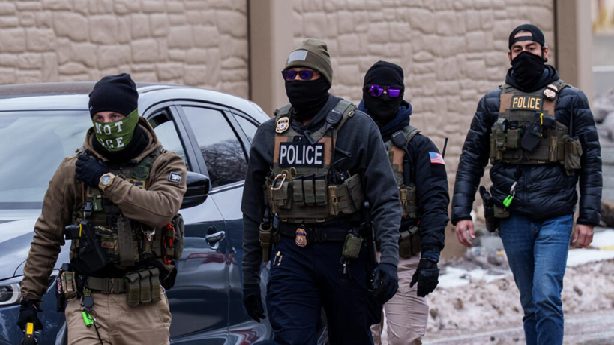
Beginning in December 2025 and escalating through January 2026, the Department of Homeland Security (DHS) launched Operation Metro Surge. This initiative represents one of the largest deployments of federal immigration agents to the Midwest in recent history. The operation has fundamentally altered the daily landscape of Minneapolis and St. Paul.
Key Operational Details
| Feature | Details |
|---|---|
| Start Date | Early December 2025; Intensified January 2026 |
| Deployment Size | Approximately 2,000 federal agents and officers (ICE & CBP) |
| Primary Targets | Undocumented immigrants; Alleged fraud networks; Non-citizens with criminal records |
| Key Locations | BH Whipple Federal Building, Fort Snelling, Minneapolis-St. Paul Metro Area |
Federal officials, including “Border Czar” Tom Homan, have stated the surge aims to address public safety threats and investigate alleged fraud within specific communities. However, the breadth of the operation has drawn sharp criticism from local leaders, including Governor Tim Walz and Attorney General Keith Ellison, who argue it disrupts community trust and public order.
The St. Paul Field Office: Jurisdiction and Reach
The ICE St. Paul Field Office serves as the operational hub for enforcement across a five-state region. While the current surge is focused on the Twin Cities, this office manages detention and removal operations for a vast geographic area.
- Headquarters: 1 Federal Drive, Fort Snelling, MN 55111
- Area of Responsibility: Minnesota, Iowa, Nebraska, North Dakota, South Dakota
- Directorate: Enforcement and Removal Operations (ERO)
The BH Whipple Federal Building has become a focal point for both processing detainees and community protests. Recent reports indicate that access to legal counsel at this facility has been a point of contention, leading to class-action lawsuits filed by advocacy groups like The Advocates for Human Rights.
Recent Incidents and Controversies
The intensification of Minneapolis ICE activities has been marked by several high-profile and tragic incidents that have galvanized local and national observers.
Civilian Casualties and Arrests
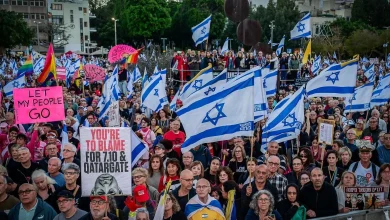
Tensions reached a breaking point in January 2026 following the deaths of two U.S. citizens, Renée Good and Alex Pretti, during confrontations with federal agents. These incidents have sparked daily protests and the formation of “Minneapolis ICE Observers”—groups of citizens dedicated to documenting enforcement actions to ensure accountability.
- January 2026: Alex Pretti, an ICU nurse, was fatally shot during an enforcement operation, raising questions about rules of engagement.
- Observer Detentions: Multiple volunteer observers and journalists have reported being detained, with equipment confiscated or damaged, despite identifying themselves as non-combatants.
Know Your Rights: A Guide for Residents
Regardless of immigration status, all individuals in Minneapolis have certain rights under the U.S. Constitution. Legal advocacy groups emphasize the importance of remaining calm and understanding these protections during encounters with ICE in Minneapolis.
If Agents Approach You at Home
- Do Not Open the Door: You are not required to open your door unless agents have a judicial warrant signed by a judge.
- Ask for the Warrant: Request that they slide the warrant under the door or hold it up to a window. An administrative warrant (Form I-200 or I-205) does not authorize entry without consent.
- Remain Silent: You have the right to remain silent. Do not sign anything without a lawyer present.
If Stopped in Public or in a Vehicle
- Right to Remain Silent: You may state, “I am exercising my right to remain silent.”
- Ask if You Are Free to Go: If you are not under arrest, you have the right to leave calmly.
- Do Not Consent to a Search: You can refuse a search of your person or vehicle unless agents have “probable cause” or a warrant.
Community Resources and Legal Aid
A robust network of organizations is operating in Minneapolis to support those affected by the surge. These groups provide legal defense, accompaniment, and documentation services.
| Organization | Services Offered | Contact/Notes |
|---|---|---|
| ACLU of Minnesota | Legal defense, civil rights litigation | Accepts reports of unlawful agent conduct. |
| The Advocates for Human Rights | Asylum assistance, detention support | Filed recent class-action lawsuit regarding attorney access. |
| Volunteer Observer Groups | Documentation, witnessing | Often coordinate via secure apps to monitor enforcement hotspots. |
| Office of Rep. Ilhan Omar | Constituent services | Can inquire about the status of detained U.S. citizens. |
Weather Impact: “Ice” on ICE
The homonym “ICE” is particularly ironic given the brutal conditions in Minneapolis this winter. Enforcement operations and protests have continued despite windchills reaching -25°F. The extreme Minneapolis ice and cold have posed additional risks to both detainees and those waiting outside facilities like the Whipple building. Advocacy groups have raised alarms about the transport of individuals in unheated vehicles and the safety of outdoor holding areas during these polar vortex events.
In-Depth Q&A
Q: What is Operation Metro Surge in Minneapolis?
Operation Metro Surge is a large-scale immigration enforcement operation launched by DHS and ICE in late 2025 and early 2026, deploying approximately 2,000 agents to the Minneapolis-St. Paul area to target undocumented immigrants and alleged fraud networks.
Q: Where is the ICE field office in Minneapolis located?
The ICE St. Paul Field Office is located at 1 Federal Drive, Suite 1601, Fort Snelling, MN 55111. It serves as the headquarters for enforcement operations across Minnesota, Iowa, Nebraska, North Dakota, and South Dakota.
Q: What should I do if ICE agents come to my home in Minneapolis?
Do not open the door unless agents show a judicial warrant signed by a judge. Ask them to slide it under the door. You have the right to remain silent and should not sign any documents without a lawyer present.
Q: Have there been protests against ICE in Minneapolis recently?
Yes, there have been significant and daily protests in Minneapolis throughout January 2026, particularly following the controversial deaths of U.S. citizens Renée Good and Alex Pretti during enforcement operations.
Q: Does Minneapolis have a ‘Sanctuary City’ policy?
Minneapolis has a Separation Ordinance that generally prohibits city police from acting as immigration agents. However, federal ICE agents operate under their own jurisdiction, and recent federal surges have bypassed local cooperation.