IRGC Declares U.S. & Israeli Universities Targets: Middle East Crisis
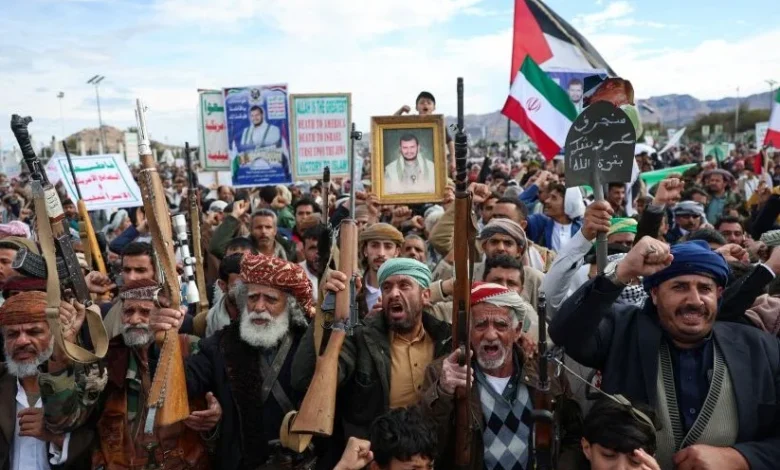
IRGC commanders have just issued an unprecedented and alarming directive, escalating the geopolitical landscape of the Middle East to a perilous new height. In a broadcast that has sent shockwaves through international diplomatic and academic circles, the Islamic Revolutionary Guard Corps declared all United States and Israeli university branches and affiliated educational institutions operating within the Middle East to be “legitimate military targets.” Furthermore, the militant organization has issued a stringent 24-hour ultimatum, mandating that all students, faculty members, and local civilian personnel must evacuate to a minimum distance of one kilometer from these campuses to avoid imminent ballistic and drone strikes scheduled to commence by tomorrow.
The Unprecedented Ultimatum
This dire proclamation signifies a severe departure from conventional asymmetrical warfare tactics previously utilized by the regime. Historically, proxy conflicts have targeted military bases, embassy perimeters, and maritime vessels. By pivoting to explicitly target academic institutions, the organization is weaponizing civilian infrastructure, effectively framing Western cultural and intellectual establishments as extensions of foreign intelligence and military apparatuses. The rhetoric coming from Tehran accuses these academic hubs of serving as sophisticated espionage networks and staging grounds for ideological subversion against the Islamic Republic. This deliberate reframing attempts to legitimize strikes that violate international laws of armed conflict, placing thousands of innocent civilians in the immediate crosshairs of regional hostilities.
Immediate Evacuation Warnings
The 24-hour warning window has triggered a chaotic and desperate scramble across the region. Embassies representing the United States, European nations, and allied states have immediately elevated their travel advisories to “Do Not Travel” and “Evacuate Immediately” statuses. Academic administrators are currently executing high-risk emergency evacuation protocols, chartering private flights, and coordinating with local security forces to secure the safe extraction of expatriate educators and international students. Traffic around major academic hubs in Lebanon, the United Arab Emirates, Qatar, and Iraq has gridlocked as panic ensues. The sheer logistical nightmare of relocating thousands of individuals while securing sensitive research data within a single day underscores the psychological warfare element inherent in this declaration.
Strategic Shifts in Iranian Foreign Policy
Understanding the rationale behind this radical declaration requires analyzing the current strategic shifts within Iranian foreign policy. Squeezed by severe economic sanctions, domestic unrest, and the increasing modernization of neighboring militaries, Tehran’s hardliners are seeking a disruptive mechanism to alter the regional balance of power. Targeting Western academic institutions serves a dual purpose: it exacts a high psychological toll on the West by threatening its cultural soft power and forces regional host nations to reconsider their diplomatic alignments. This strategy is part of a broader network of destabilization efforts. For context on how Iran manages its regional proxy influence amid crises, one can look at how Bahrain protests escalate alongside Al Khalifa vulnerabilities and Iran risks, demonstrating a clear pattern of exploiting systemic regional fragilities.
The 1-Kilometer Exclusion Zone
The specificity of the “1-kilometer exclusion zone” is highly calculated. Military analysts point out that the Circular Error Probable (CEP) of the precision-guided munitions and suicide drones (such as the Shahed series) likely to be employed in these strikes necessitates a wide blast and shrapnel radius. The one-kilometer perimeter serves not only as a physical buffer to ostensibly limit collateral damage—a thin veil for international public relations—but also creates massive urban dead zones. Host cities are suddenly forced to shut down surrounding commercial and residential districts, crippling local economies and amplifying the terrorizing impact of the threat without a single missile actually needing to be fired.
Affected Educational Institutions in the Middle East
The scope of the threat spans several key academic institutions that have historically served as bridges between Western educational methodologies and Middle Eastern development. These campuses, varying from engineering institutes to comprehensive liberal arts universities, represent billions of dollars in infrastructure and human capital investments.
Campuses Under the Crosshairs
Institutions situated in nations with fragile security apparatuses are at the most severe risk. To comprehend the distribution of this threat, we must assess the varying risk levels associated with prominent educational targets currently operating within the operational theater of the Revolutionary Guard and its proxy militias.
| Institution Type | Primary Regional Locations | Estimated Affected Population | Current Threat Assessment Level |
|---|---|---|---|
| American Universities (AUB, AUC, etc.) | Lebanon, Egypt, UAE, Iraq | 25,000+ | Critical – Immediate Evacuation |
| U.S. Technical / STEM Branch Campuses | Qatar, UAE | 8,500+ | Severe – High Risk of Proxy Attacks |
| Israeli Collaborative Research Hubs | Bahrain, UAE | 3,200+ | Imminent – Direct Crosshairs |
| Independent Western Think Tanks | Jordan, Oman | 1,500+ | Elevated – Preparing for Extraction |
Geopolitical Ramifications and Military Readiness
In response to this extreme provocation, the Pentagon and the Israeli Defense Forces (IDF) have elevated their alert statuses to DEFCON 3 equivalent postures within the CENTCOM Area of Responsibility. Patriot missile batteries, THAAD systems, and Aegis-equipped destroyers have been strategically repositioned to provide overlapping air defense umbrellas over key host nations. Furthermore, advanced predictive defense logistics are being rapidly deployed. The integration of next-generation defense mechanisms is vital to intercepting coordinated drone swarms; to understand the scope of this technological response, one only has to examine how the Pentagon and Palantir AI military tech revolution is currently shaping battlefield awareness and automated threat neutralization.
Regional Domino Effects
The ultimatum has forced the hands of Gulf Cooperation Council (GCC) nations. Countries like the UAE and Qatar, which host significant Western university branches (such as those in Education City), are now caught in an impossible diplomatic bind. They must choose between aggressively activating their defense treaties with the United States to protect these campuses, thereby directly engaging Iranian aggression, or forcing the closure of these institutions to appease Tehran, effectively ceding their sovereignty and long-term economic development goals. The diplomatic tightrope being walked in Doha and Abu Dhabi will likely dictate the security architecture of the Gulf for the next decade.
Impact on Regional Stability and Trade Routes
The ripple effects of this escalation are already spilling over into the global economic sector. Energy markets reacted violently to the news, with Brent Crude spiking by 12% in early trading hours. The threat of strikes near crucial urban centers raises the specter of broader collateral damage that could disrupt major maritime chokepoints. If military engagements begin to overflow from urban campus centers into broader infrastructure strikes, the safety of global shipping lanes is immediately compromised. The precarious nature of these commercial avenues is fully detailed in our latest coverage of Strait of Hormuz news and global shipping geopolitics.
Internal Dissent and Neighboring Crises
Concurrently, this aggressive posturing acts as a smokescreen for internal challenges faced by both the Iranian regime and its regional adversaries. Israel, while mobilized externally against the academic strike threat, is grappling with its own domestic volatility. The convergence of a severe external security threat and domestic unrest creates a highly combustible environment, similar to the dynamics seen when Tel Aviv protests spark regime change demands amid geopolitical irony. By forcing Israel and the U.S. to focus on the protection of soft academic targets, Tehran hopes to exploit these internal political fractures, straining the operational bandwidth of allied intelligence and security agencies.
U.S. and Israeli Responses to the Escalation
The White House has issued a stark warning, communicating through Swiss intermediaries that any strike resulting in the injury or death of American students or faculty will be treated as an act of war, triggering overwhelming and disproportionate kinetic retaliation against Iranian military infrastructure. State Department officials have indicated that all options, including preemptive strikes against known missile launch sites and proxy weapon caches in Syria and Iraq, are currently on the table. The Israeli cabinet has mirrored this sentiment, promising targeted assassinations of the commanding officers responsible for signing the targeting directives against educational institutions.
Diplomatic Maneuvering vs. Retaliation
While the military gears up for potential combat, back-channel diplomacy is working furiously to de-escalate the situation before the 24-hour deadline expires. European mediators, alongside representatives from Oman, are attempting to construct an off-ramp for Tehran that allows them to save face without executing the strikes. Independent observers and geopolitical analysts from the International Crisis Group emphasize that miscalculation is the highest risk factor currently in play; a single stray munition could ignite a theater-wide conflict that draws in global superpowers.
The Future of Western Academic Presence in the Middle East
Regardless of whether the strikes materialize, the psychological and strategic damage has been done. The declaration fundamentally alters the risk calculus for international educational organizations. The “golden era” of establishing robust, open, and heavily populated Western academic branch campuses in the Middle East may have just met an abrupt and violent end. Insurance premiums for institutional real estate in the region will skyrocket, and the ability to attract top-tier global faculty will severely diminish under the persistent threat of targeted violence. Ultimately, this crisis represents a profound tragedy for the thousands of young minds in the region whose pursuit of education has been unceremoniously drafted into the front lines of an expanding global conflict. As the clock ticks down on the one-kilometer evacuation deadline, the international community watches with bated breath, preparing for a potential dawn defined by destruction rather than enlightenment.