Huy Fong Sriracha Report 2026: Shortages, Recipe Changes & Market Wars
An in-depth investigation into the supply chain disruptions, legal battles, and flavor profile shifts redefining the world’s most iconic hot sauce.
Introduction: The Rooster’s Stumble
For decades, Huy Fong Foods, founded by Vietnamese refugee David Tran, dominated the global hot sauce market with near-monopolistic authority. Its iconic “rooster bottle” became a staple in restaurants and households worldwide, relying on zero advertising and pure word-of-mouth. However, the period between 2022 and 2026 marked a catastrophic turning point. A combination of climate-induced crop failures, a disastrous legal split from its primary grower, and resulting production halts have left the brand vulnerable. As of early 2026, while the Sriracha shortage has technically abated, the landscape of the spicy condiment market has permanently changed.
The 2024-2026 Supply Chain Crisis
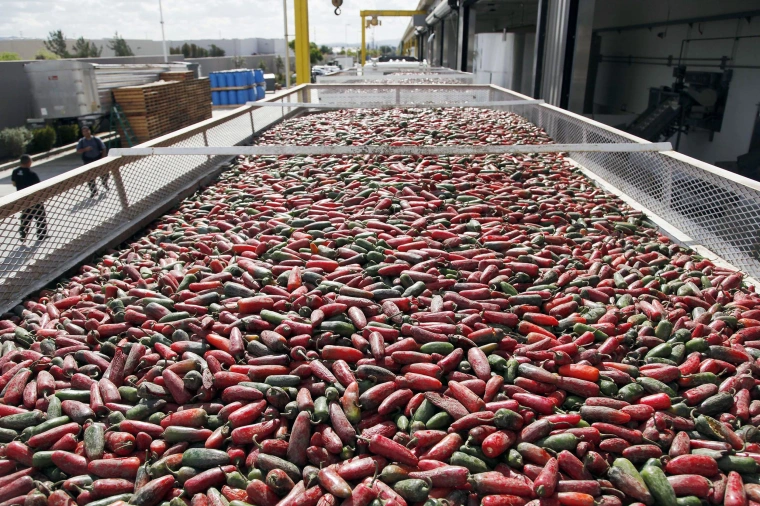
While the initial shortages in 2020 and 2022 garnered headlines, the crisis deepened in May 2024 when Huy Fong halted production yet again. The culprit was not just quantity, but quality. The company’s new suppliers in Mexico delivered red jalapeños that were deemed “too green”—lacking the maturity required for the sauce’s signature deep red hue and distinct flavor profile.
Why “Too Green” Matters
The biochemistry of the red jalapeño is critical to Sriracha. As peppers ripen from green to red, their sugar content increases and the vegetal, grassy notes decrease. Huy Fong’s refusal to process green peppers was a technical necessity to maintain brand consistency, yet it resulted in a months-long gap on shelves that allowed competitors to gain a foothold.
Industry Insight: “The jalapenos start out green, then mature to a chocolate color and are picked when they turn red. Sourcing from regions with severe drought affects this ripening cycle, leading to the ‘green’ reject batches seen in 2024.” — Agricultural Analysis
Huy Fong vs. Underwood Ranches: The Split That Changed Everything
To understand the current flavor debate, one must understand the supply chain history. For 28 years, Underwood Ranches in Ventura County, California, was the sole pepper supplier for Huy Fong. This exclusive partnership ensured that every bottle tasted exactly the same.
In 2017, the relationship collapsed into a bitter legal battle. Huy Fong sued for overpayment; Underwood countersued for breach of contract and fraud. The jury ultimately sided with the grower, awarding Underwood Ranches $23.3 million. The consequences were twofold:
- Huy Fong lost its dedicated, local supply chain and was forced to source from the open market in Mexico, exposing it to greater climate volatility.
- Underwood Ranches launched its own competitor product, “Dragon Sriracha,” marketing it as the “original pepper” sauce.
Taste Test Analysis: Old vs. New Formula
Consumers and food critics have noted distinct differences between pre-2017 bottles and the post-shortage batches available in 2025/2026. The shift in terroir—from California’s Ventura County to various Mexican regions—has altered the flavor profile.
| Feature | Classic Huy Fong (Pre-2017) | Modern Huy Fong (2025/2026) | Underwood “Dragon” Sriracha |
|---|---|---|---|
| Color | Deep, Brick Red | Bright Orange-Red | Deep Red |
| Heat Level | Sharp, Delayed Kick | Milder, Quick Dissipation | High, Robust Heat |
| Flavor Notes | Balanced Garlic/Sweet/Spice | More Vinegar/Salty, Less Depth | Fresh Pepper Forward, Vinegary |
| Pepper Source | Ventura County, CA | Mexico (Various Regions) | Ventura County, CA |
Market Competitors Filling the Void
The supply vacuum has allowed competitors to capture significant market share. What was once a “one-sauce market” is now fragmented.
- Underwood Ranches: Capitalizing on the “original taste” narrative, they have won over purists who claim the new Huy Fong tastes “off.”
- Tabasco Sriracha: McIlhenny Company utilized its massive distribution network to place their version in major retailers like Walmart when Huy Fong was absent. It is generally sweeter and more vinegary.
- Roland & Lee Kum Kee: Traditional Asian condiment giants that have expanded their shelf space in ethnic grocers.
- Yellowbird: A premium, organic alternative that gained traction with health-conscious consumers during the shortage.
Key Takeaways for 2026
As we move through 2026, Huy Fong Sriracha is back on shelves, but its invincibility is gone. The price has stabilized from the black market highs of $50+ down to standard retail pricing ($4-$8), but the brand now faces a “Pepsi Challenge” reality where consumers are actively comparing it against rivals.
Strategic Lesson: The Huy Fong case study illustrates the extreme risk of single-source dependency. While vertical integration (like Underwood’s previous arrangement) offers quality control, the lack of diversification can lead to catastrophic failure when that relationship ends.
Sources & References
-
•
Los Angeles Times: Huy Fong Foods Production Halt (May 2024) -
•
Fortune: The $23 Million Lawsuit Between Huy Fong and Underwood Ranches -
•
Food Dive: Supply Chain Woes and Sriracha Shortages -
•
The Washington Post: Taste Test Comparison of Sriracha Brands -
•
Dataintelo: Sriracha Market Forecast 2025-2033