Greenland: The Arctic Frontier of Geopolitics and Ecology
Executive Summary
Greenland stands as a colossus in the Arctic, representing a unique intersection of indigenous culture, critical environmental science, and emerging geopolitical strategy. As the world’s largest non-continental island, it holds a pivotal role in understanding global climate change due to its massive ice sheet. Politically, while it remains part of the Kingdom of Denmark, Greenland has moved steadily toward greater autonomy, driven by a desire to control its vast natural resources. This report provides a comprehensive analysis of Greenland’s geography, socio-economic structure, and its rising status on the world stage.
The Geographic and Climatic Landscape
Greenland dominates the North Atlantic and Arctic Oceans. The geography is defined primarily by the Greenland Ice Sheet, which covers roughly 80% of the landmass. This ice cap is the second largest in the world, surpassed only by Antarctica.
The coastal regions are mountainous and indented by deep fjords. These ice-free margins are where the population resides. The climate is Arctic to sub-Arctic, characterized by cool summers and very cold winters. However, the sheer size of the island creates significant regional variations.
Climate change is reshaping this landscape rapidly. Rising temperatures are causing accelerated glacial melting. This phenomenon not only alters local ecosystems but also serves as a critical bellwether for global sea-level rise forecasts.
Demographics and Inuit Culture
The population of Greenland is small, numbering roughly 56,000 people. The majority are Inuit, specifically the Kalaallit people. Nuuk, the capital, is the cultural and economic hub, housing nearly a third of the population.
Cultural identity is strong and distinct. Greenlandic (Kalaallisut) is the official language, having replaced Danish in official capacity, although Danish remains widely spoken. The culture is a blend of traditional Inuit practices—such as hunting, fishing, and dog sledding—and modern Scandinavian influences.
Social structure places a high value on community and nature. Despite modernization, the connection to the land and sea remains spiritual and practical. Traditional subsistence hunting is still vital for many settlements outside the main towns.
Political Status and Governance
Greenland is an autonomous territory within the Kingdom of Denmark. The governance structure has evolved significantly over the last century. In 1979, Home Rule was granted, followed by the Self-Government Act of 2009.
Under the current Self-Rule arrangement, Greenlanders are recognized as a distinct people under international law. The local government, the Naalakkersuisut, manages almost all domestic affairs, including law enforcement and the judicial system.
Denmark retains control over foreign policy and defense. However, the conversation regarding full independence is active. The primary hurdle to total sovereignty remains economic reliance on the annual block grant provided by Denmark.
Economic Drivers and Resource Potential
The economy relies heavily on fishing. Shrimp and Greenland halibut constitute the vast majority of exports. This dependence makes the economy vulnerable to price fluctuations and climate shifts affecting fish stocks.
Tourism is a growing sector. Adventure travelers are drawn to the pristine wilderness, iceberg tours in Disko Bay, and the Northern Lights. Infrastructure development, including airport expansions in Nuuk and Ilulissat, aims to make the island more accessible.
The mining sector holds the greatest potential for economic diversification. As the ice retreats, vast deposits of rare earth elements, gold, rubies, and uranium are becoming accessible. These resources are critical for modern technology, drawing interest from global superpowers.
Geopolitical Significance
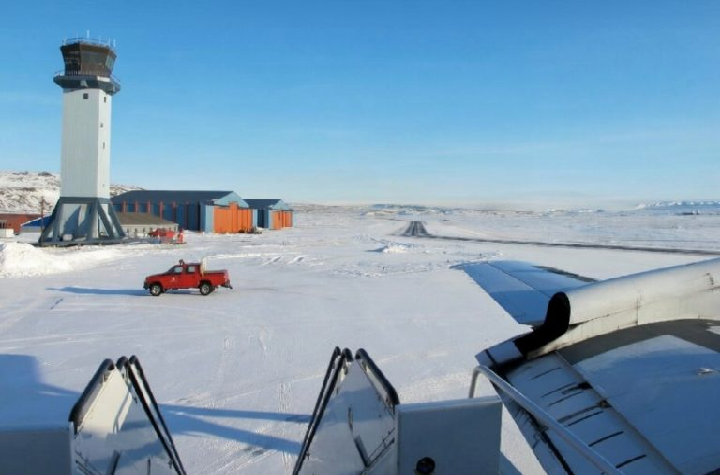
Greenland occupies a strategic position. It sits along the shortest air routes between North America and Europe. Historically, this made it crucial during the Cold War, exemplified by the U.S. Thule Air Base (now Pituffik Space Base).
In the modern era, the melting Arctic ice is opening new shipping lanes and resource access. Major global powers, including the United States, China, and Russia, have expressed increased interest in the region. The island is no longer just a remote outpost; it is a central piece on the geopolitical chessboard.
Comparative Analysis: Greenland vs. Iceland
Travelers and analysts often confuse the characteristics of Greenland and Iceland. The following table highlights the distinct differences between these two North Atlantic neighbors.
| Feature | Greenland | Iceland |
|---|---|---|
| Sovereignty | Autonomous Territory (Kingdom of Denmark) | Independent Republic |
| Population | ~56,000 | ~376,000 |
| Land Cover | 80% Ice Sheet | 11% Glaciers, significant volcanic activity |
| Economy | Fishing, Block Grant, Mining potential | Tourism, Aluminum smelting, Fishing |
| Vegetation | Very sparse, Arctic tundra | Moss, grass, reforestation efforts |
| Capital | Nuuk | Reykjavik |
Environmental Challenges and Global Impact
The environmental narrative of Greenland is dominated by the melting ice sheet. Scientific consensus indicates that the rate of ice loss has increased significantly in recent decades. Fresh water entering the North Atlantic can disrupt ocean currents, specifically the Atlantic Meridional Overturning Circulation (AMOC).
Local communities face the immediate brunt of these changes. Thawing permafrost damages infrastructure, while unpredictable sea ice makes traditional hunting dangerous. The adaptation of the Greenlandic people to these rapid changes is a testament to their resilience, yet it highlights the urgent need for global climate action.
Future Outlook
The future of Greenland balances between tradition and rapid modernization. The drive for independence will likely accelerate if the mining sector becomes profitable enough to replace Danish subsidies.
Simultaneously, the island must manage the influx of tourism and industry without destroying the fragile Arctic ecosystem that defines it. Greenland is poised to transition from a quiet observer of history to an active participant in shaping the economic and environmental future of the Arctic.
2 Comments