Golden State Warriors: 2026 Roster and Strategic Playoff Outlook
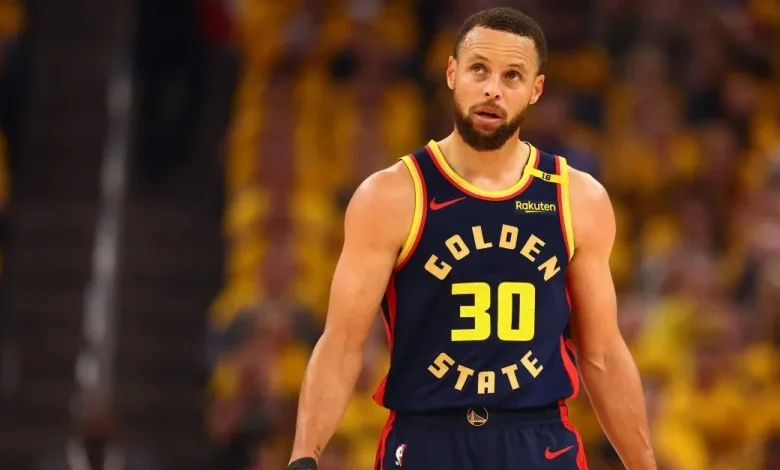
Golden State Warriors basketball is undergoing a fascinating evolution in the 2026 NBA season, representing a masterclass in balancing legacy with necessary modernization. As the franchise navigates the twilight of its historic dynasty, the front office, coaching staff, and the players themselves are adapting to a radically shifting landscape within the Western Conference. For over a decade, the franchise defined modern basketball, revolutionizing the sport with an unparalleled emphasis on pace, space, and three-point shooting. However, the 2026 campaign is not merely about resting on past laurels; it is a rigorous test of organizational resilience, strategic foresight, and player development. Fans and analysts alike are scrutinizing every decision made by the organization, from blockbuster trades to subtle rotational tweaks, as the team attempts to secure another championship window while simultaneously developing the next generation of foundational talent. This comprehensive analysis dives deep into the intricate layers of the franchise’s current state, examining roster dynamics, coaching strategies, financial maneuvers, and the relentless competition they face.
Golden State Warriors 2026 Roster Analysis
The current roster construction of the franchise reflects a deliberate hybrid approach, seamlessly blending tested veterans with dynamic, ascending youth. This strategy, often referred to as the ‘two timelines’ approach, has seen its share of criticisms, but the 2026 iteration appears more cohesive than in previous years. The emergence of young forwards and versatile guards has provided the veterans with much-needed support, allowing the coaching staff to manage minutes more effectively throughout the grueling 82-game regular season schedule. Player development has taken center stage, with significant resources invested in optimizing the physical conditioning and tactical awareness of the younger core. The front office has prioritized drafting and acquiring high-IQ players who can quickly assimilate into the team’s complex motion offense, a system that notoriously demands rapid decision-making, constant off-ball movement, and unselfish ball-sharing. This blend of experience and youth is the cornerstone of their 2026 playoff ambitions.
Stephen Curry: The Enduring Legacy
At the heart of the franchise remains Stephen Curry, whose impact on the game continues to defy conventional aging curves. Even in 2026, Curry’s gravitational pull on the offensive end dictates opposing defensive schemes to a degree unseen by any other player in league history. His rigorous off-season training regimens, focusing on functional strength, core stability, and innovative neuro-cognitive drills, have allowed him to maintain his elite quickness and legendary shooting mechanics. Opposing coaches are forced to deploy aggressive trapping schemes and exotic defensive coverages the moment he crosses half-court, which inevitably creates four-on-three advantages for his teammates. Curry’s leadership has also evolved; he has become an increasingly vocal mentor to the younger guards, imparting the nuances of navigating pick-and-roll coverages and reading defensive rotations. His ability to perform at an MVP-caliber level remains the ultimate variable in the team’s championship calculus.
Strategic Shifts in the Front Office
Under the guidance of General Manager Mike Dunleavy Jr., the front office has executed a series of calculated maneuvers designed to maximize roster flexibility while remaining compliant with the increasingly punitive rules of the NBA’s new Collective Bargaining Agreement (CBA). The implementation of the ‘second apron’ luxury tax penalties has dramatically altered how heavy-spending teams operate, restricting their ability to utilize mid-level exceptions, aggregate salaries in trades, and trade future first-round picks. Recognizing these constraints, the front office has pivoted towards accumulating draft capital and prioritizing cost-controlled talent. This strategic shift was evident during the recent trade deadline, where the team targeted players on movable contracts rather than pursuing aging veterans on massive, multi-year deals. These financial gymnastics are crucial for sustaining long-term competitiveness without crippling the organization’s ability to pivot when unforeseen opportunities arise in the marketplace.
Analyzing the Western Conference Competition
The Western Conference in 2026 is an absolute gauntlet, characterized by unprecedented parity and a multitude of legitimate title contenders. To emerge victorious, the team must navigate a grueling path fraught with diverse stylistic challenges. For instance, teams equipped with overwhelming size and elite rim protection pose unique schematic challenges for Steve Kerr’s motion offense. A major hurdle is understanding the Dallas Mavericks 2026 roster, which features a terrifying backcourt tandem capable of dissecting even the most disciplined defenses. The Mavericks’ ability to generate efficient offense in isolation settings forces opposing teams to constantly choose between conceding open perimeter shots or giving up high-percentage looks at the rim. Competing against these juggernauts requires immense tactical discipline, flawless defensive execution, and the ability to dictate the tempo of the game.
Key Matchups to Watch
Interconference play also provides valuable barometers for the team’s progress. Studying highly anticipated matchups, such as the Lakers vs Pacers clashes, gives the coaching staff insight into how rival contenders handle distinct styles of play—from bruising, half-court execution to blistering, transition-heavy offenses. The coaching staff meticulously analyzes these external matchups to refine their own defensive principles and identify exploitable trends across the league. Every regular-season victory is critical for securing favorable seeding in the upcoming NBA Playoffs 2026 bracket, where home-court advantage at the Chase Center can often be the deciding factor in a tightly contested seven-game series.
Tactical Evolution Under Steve Kerr
Head Coach Steve Kerr has continually tweaked his offensive philosophies to maximize the current roster’s strengths. While the foundational principles of ball movement, off-ball screens, and split actions remain intact, the 2026 season has witnessed an increased reliance on high pick-and-roll sets and isolation plays to capitalize on favorable mismatches. This evolution is partly a pragmatic response to the improved switching defenses utilized by modern NBA teams, which are designed to disrupt the timing and rhythm of intricate motion offenses. Kerr has also empowered his younger forwards to initiate the offense from the elbow, utilizing them as secondary playmakers to alleviate the burden on the starting guards. Defensively, the team has embraced a more aggressive, switch-heavy scheme, demanding exceptional communication, defensive versatility, and relentless effort from all five players on the floor.
Golden State Warriors 2026 Player Statistics
To fully grasp the dynamics of the current rotation, an analysis of projected statistical output is necessary. The following data table highlights the anticipated roles and contributions of key personnel during the 2026 campaign.
| Player Name | Primary Role | Projected PPG | Contract Status | Key Skillset |
|---|---|---|---|---|
| Stephen Curry | Lead Guard / Scorer | 26.5 | Extended | Elite 3PT Shooting, Playmaking |
| Jonathan Kuminga | Starting Forward | 18.2 | Rookie Extension | Athleticism, Slashing, Defense |
| Draymond Green | Defensive Anchor | 7.5 | Veteran Contract | Elite Playmaking, Rim Protection |
| Brandin Podziemski | Combo Guard | 12.4 | Rookie Scale | Rebounding, Secondary Passing |
| Andrew Wiggins | Two-Way Wing | 14.0 | Multi-Year | Perimeter Defense, Spot-up Shooting |
This table illustrates the balanced scoring attack the team aims to deploy. While Curry remains the primary offensive engine, the ascendance of players like Kuminga provides necessary secondary scoring, ensuring the offense does not stagnate when Curry is heavily guarded or resting on the bench. You can find more comprehensive league-wide statistics on the Official NBA Golden State Warriors News platform, which details advanced metrics across the entire association.
Defensive Anchors and Frontcourt Dynamics
The defensive identity of the team continues to be anchored by Draymond Green. Despite advancing in age, Green’s unparalleled basketball IQ, vocal leadership, and ability to diagnose plays before they materialize make him one of the most impactful defenders in the modern era. His unique capacity to seamlessly switch onto quicker guards on the perimeter while also battling bruising big men in the post provides the coaching staff with immense schematic flexibility. The frontcourt dynamics are further bolstered by the emergence of athletic young big men who provide vital rim protection, lob threats, and offensive rebounding. This injected athleticism allows the team to play at a faster pace in transition and generate crucial second-chance points, areas that have been emphasized as key performance indicators for the 2026 season.
Financial Implications and the Luxury Tax
Operating a perennial contender comes with astronomical financial obligations, and the franchise’s ownership group has historically been willing to pay historic luxury tax bills to field a championship-caliber roster. However, the economic realities of the 2026 NBA landscape require a more nuanced approach. The Chase Center, the team’s state-of-the-art arena in San Francisco, continues to be a massive revenue generator, providing the financial muscle necessary to absorb hefty payrolls. The arena’s surrounding entertainment district, affectionately dubbed ‘Thrive City’, hosts year-round events that significantly boost the franchise’s valuation and overall revenue streams. Nevertheless, the front office remains acutely aware of the compounding luxury tax penalties and must strategically balance the desire to win now with the necessity of maintaining fiscal responsibility for the future.
Future Outlook and Championship Aspirations
The trajectory of the franchise over the next several years hinges on the delicate balancing act they are currently performing. If the younger core continues its upward developmental trajectory and seamlessly integrates with the veteran leadership, the team possesses the necessary depth, talent, and championship pedigree to make a deep playoff run. Conversely, if injuries mount or the integration of distinct playing styles falters, the organization may be forced to make difficult decisions regarding the long-term construction of the roster. Ultimately, the 2026 season is a defining chapter in the franchise’s storied history. The unwavering commitment to excellence, the pursuit of innovation, and the enduring brilliance of their foundational stars ensure that the team will remain a captivating force in the NBA, relentlessly pursuing another banner to hang in the rafters of the Chase Center.