Food Near Me: The 2026 Hyper-Local Dining & Delivery Ecosystem
Introduction: The Evolution of “Hunger” Search Intent
In 2026, the query “food near me” is no longer just a keyword; it is a complex digital signal triggering a massive algorithmic response. With search volume growing 99% year-over-year, the intent has shifted from simple discovery to immediate gratification. When users type “restaurants near me” or speak into a device, they are activating a hyper-local ecosystem involving Geofencing, Real-Time Inventory checking, and AI-driven personalization.
Whether you are craving artisanal pizza, late-night sushi delivery, or a family-friendly brunch spot, the mechanism for connecting diners with dishes has fundamentally changed. Today’s “near me” searches are dominated by AI Answer Engines (like Gemini and ChatGPT) that prioritize context—weather, wait times, and granular location data—over simple proximity.
Technological Context: How Algorithms Find Your Next Meal
Understanding how Google Maps and Apple Maps surface results requires looking at the technological infrastructure of 2026.
The Triad of Local Ranking
- Proximity (Hyper-Local Geofencing): Algorithms now understand neighborhoods, not just cities. A user in “Downtown” will see different results than someone three blocks away in “Midtown,” utilizing precise GPS coordinates.
- Relevance (Semantic Matching): If you search for “spicy food,” the engine scans menus for specific dishes like Spicy Rigatoni or Hot Honey Pizza (up 232% in search trends), rather than just looking for category tags.
- Prominence (Digital Authority): This includes review velocity, average rating on platforms like Yelp and TripAdvisor, and recent social signals.
Note on Voice Search: 58% of consumers now use voice commands to find local businesses. Queries are becoming conversational, e.g., “Where can I get gluten-free pasta open right now?”
The 2026 Dining Ecosystem: Delivery vs. Dine-In
The choice between staying in and going out has birthed two distinct multi-billion dollar industries.
1. The Quick-Commerce Delivery Boom
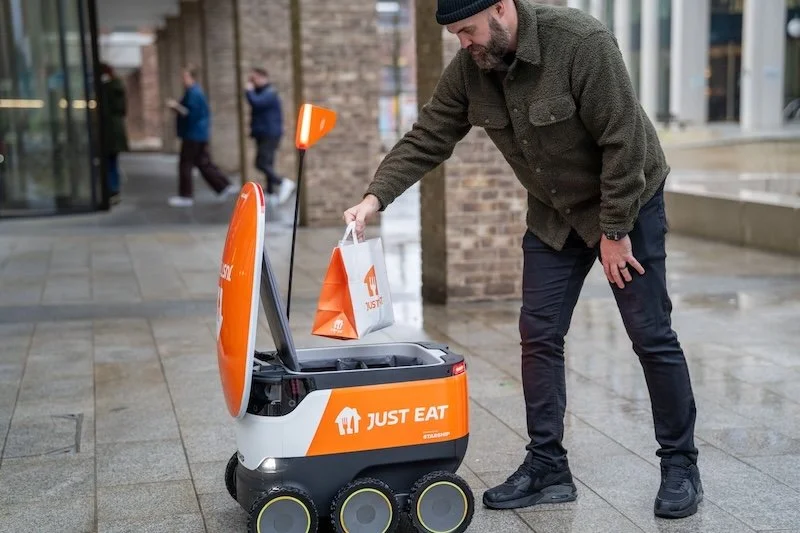
The global food delivery market is projected to exceed $467 billion this year. The landscape is dominated by “Super Apps” that offer everything from Michelin-star meals to convenience store snacks in under 15 minutes.
| Platform | Primary Region dominance | Key Features |
|---|---|---|
| Uber Eats | North America, Europe | Integration with Uber rides, wide ghost kitchen network. |
| DoorDash | USA (Market Leader) | DashPass subscription, robust suburban coverage. |
| GrabFood | Southeast Asia | Super-app ecosystem including payment and transport. |
| Zomato / Swiggy | India | Hyper-fast delivery (10-min q-commerce integration). |
2. Experiential Dine-In Trends
While delivery thrives on convenience, physical restaurants are pivoting to Experiential Dining. Trends indicate a 46% increase in searches for “dining experiences,” such as chef’s tables, pop-up collaborations, and immersive themes. Spontaneity is also back; usage of “Notify Me” features on reservation apps like OpenTable and Resy has skyrocketed by 84%.
Top Trending Cuisines & Semantic Searches
To find the best food near you, it helps to know what is trending. Semantic analysis of 2026 search queries reveals specific cravings:
- Global Fusion: “Korean Corn Dogs,” “Birria Tacos,” and “Hot Pot” continue to dominate.
- Health Conscious: “Plant-based comfort food,” “Keto-friendly takeout,” and “Adaptogenic smoothies.”
- Nostalgia: Classics like “Chicken Pot Pie” and “Meatloaf” are seeing a resurgence in search volume.
For Business Owners: Winning the “Near Me” Battle
If you operate a culinary establishment, ranking for “Food Near Me” requires a strategy built on Entity-Based SEO.
Optimizing the Google Business Profile (GBP)
Your GBP is your digital storefront. To rank in the “Local Pack” (the top 3 map results), you must:
- Update Hours Real-Time: Searches for “open now” have risen 875%. Inaccurate hours lead to negative reviews.
- Menu Engineering: Upload structured menu data. Google reads this to match queries like “best burger” directly to your item list.
- Visual Search Optimization: High-quality photos of food are indexed by Google Lens. Diners often search by snapping a photo of a dish they like.
Managing Reputation & Reviews
Reviews are the currency of trust. A consistent flow of 4-5 star reviews with text containing keywords (e.g., “Best Thai curry in Downtown“) significantly boosts visibility. Responding to reviews—both positive and negative—signals active management to the algorithm.
Conclusion
The concept of “Food Near Me” has transformed from a simple directory search into a sophisticated, AI-driven recommendation engine. Whether you are a hungry user looking for the nearest fast-casual bite or a restaurant owner aiming for the top of the Local Pack, understanding the dynamics of proximity, intent, and platform technology is essential in 2026.
Sources & References
- •
Search Engine Land: Google search trends every restaurant needs to know in 2026. - •
Mordor Intelligence: Food Platform-to-Consumer Delivery Market Size & Share Report 2026. - •
BrightLocal: Voice Search for Local Business Study. - •
OpenTable: Trends Set to Define Dining in 2026.