Facebook 2026: Major AI Innovations and Global Market Shifts
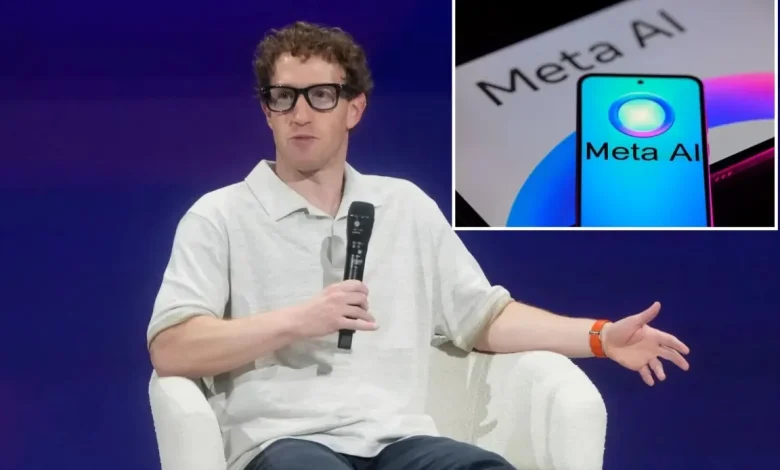
Facebook represents an unprecedented force in the global digital landscape as we navigate through the transformative year of 2026. Meta’s flagship platform has entirely redefined how users interact, share, and consume content by systematically transitioning away from traditional chronological or purely engagement-based feeds. This pivotal shift marks a profound evolution in the social media ecosystem, integrating unprecedented artificial intelligence frameworks to drive hyper-personalized, contextual community building. As global digital connectivity reaches new zeniths, the platform’s overarching strategy reflects a deeper commitment to sustainable user engagement rather than superficial, short-term metrics. The year 2026 acts as a critical watershed moment for the social media giant, as it navigates highly complex international regulatory frameworks, pioneers sophisticated immersive technologies, and dramatically reasserts its absolute dominance in an increasingly fragmented digital marketplace. With billions of active users relying on its robust infrastructure daily, the foundational changes currently being rolled out will inevitably dictate the future trajectory of digital communication, enterprise marketing, and global socio-political discourse.
- The New Dawn of Facebook’s 2026 Architectural Redesign
- Seamless AI Integration and User Experience
- Exploring the Latest Algorithm Enhancements
- Algorithmic Shift: Quality Over Clickbait
- Meta’s Strategic Vision and Financial Projections
- Advertising and E-Commerce Evolution
- Security, Privacy, and Global Regulatory Compliance
- Adapting to Unprecedented Global Standards
- Facebook’s Position Amidst the Wider Tech Ecosystem
- Analyzing the Social Media Market Dynamics
- Future Outlook: What Users Can Expect from Meta
The New Dawn of Facebook’s 2026 Architectural Redesign
The architectural foundation of the platform is undergoing its most significant, structural revision since the initial introduction of the Timeline feature over a decade ago. The comprehensive 2026 redesign moves deliberately away from cluttered, multi-tabbed interfaces, instead adopting a highly fluid, dynamic interface powered entirely by predictive rendering technologies. This redesign anticipates user intent with staggering accuracy, surfacing highly relevant community groups, local marketplace listings, or engaging long-form video content based strictly on micro-interactions and time-of-day behavioral patterns. The user experience is no longer a static bulletin board; it is a living, breathing digital environment that continuously adapts to the cognitive load and nuanced preferences of the individual user. Furthermore, the seamless integration of mixed-reality elements ensures that users utilizing standard mobile devices or cutting-edge augmented reality glasses experience a flawless continuity of interface. The visual language has been aggressively streamlined, emphasizing high-definition immersive media, minimalist typography, and highly intuitive gesture-based navigation systems that completely overhaul how global users interact with their daily digital digest.
Seamless AI Integration and User Experience
At the very core of this architectural renaissance is an extensive, multi-layered artificial intelligence engine that operates invisibly yet decisively behind the scenes. Meta’s proprietary foundational AI models are now deeply embedded into absolutely every facet of the application’s infrastructure. From auto-generating highly contextually aware captions to moderating nuanced community discussions in real-time, artificial intelligence is the new bedrock of the platform. This echoes the broader, industry-wide trends seen in rapid generative AI advancements. In fact, these sweeping architectural changes closely parallel the massive technological leaps documented in the groundbreaking AI evolution of ChatGPT in 2026, wherein advanced conversational agents and predictive algorithms have radically redefined digital utility and user expectations. On this platform, the sophisticated AI doesn’t simply filter content; it actively curates incredibly personalized digital sanctuaries for users, shielding them from toxic engagement loops while simultaneously promoting highly educational, uplifting, and emotionally resonant material.
Exploring the Latest Algorithm Enhancements
Historically, social media algorithms were aggressively designed to maximize time-on-site through the promotion of polarizing, controversial, or highly sensational content. The advanced 2026 algorithmic architecture represents a total paradigm shift, actively penalizing obvious clickbait and strictly prioritizing semantic depth, contextual relevance, and relational proximity. The fundamental “Meaningful Social Interactions” (MSI) metric has been vastly upgraded and recalibrated to evaluate the true quality of discourse rather than mere superficial comment volume. If a user’s post generates long-form, constructive, and respectful dialogue, the algorithm naturally amplifies its reach organically across broader networks. Conversely, content that clearly relies on outrage mechanics or manipulative emotional triggers is swiftly deprecated in the master feed hierarchy. This highly nuanced approach leverages next-generation natural language processing to deeply understand the sentiment, tone, and factual accuracy of trending topics, significantly reducing the viral spread of harmful misinformation that has severely plagued digital platforms in previous global election cycles.
Algorithmic Shift: Quality Over Clickbait
The decisive transition toward quality-centric curation is definitely not isolated strictly to standard text and static image posts. Video content, particularly short-form immersive reels, is now rigorously evaluated based on actual completion rates, genuine creator originality, and long-term user retention rather than superficial, easily manipulated view counts. This comprehensive strategy is intrinsically linked to broader corporate realignments occurring within Meta’s vast digital ecosystem. As industry analysts have seen with how Instagram announced sweeping AI algorithm updates, the operational emphasis is heavily placed on fostering authentic, enduring creator-user relationships. By meticulously synchronizing the algorithmic philosophy across its entire family of applications, Meta firmly ensures that whether a user is passively scrolling through ephemeral stories, actively engaging in dedicated hobbyist groups, or exploring new, highly niche creator portfolios, the underlying qualitative standards remain consistently rigorous and strictly enforced across all digital touchpoints.
| Feature Category | Legacy Architecture (Pre-2025) | 2026 Modern Infrastructure |
|---|---|---|
| Feed Mechanism | Chronological & Engagement-Bait Driven | Predictive Rendering & Semantic Depth |
| AI Integration | Basic Content Moderation & Ad Targeting | Generative AI, Contextual Auto-Curation |
| Commerce | External Links & Intrusive Banner Ads | Frictionless Native AR Social Commerce |
| Privacy Protocol | Centralized Data & Optional Encryption | Decentralized Storage & Default E2E Encryption |
| Content Focus | Viral Sensationalism & Superficial Metrics | Meaningful Social Interactions (MSI) & Retention |
Meta’s Strategic Vision and Financial Projections
Financially, the platform remains an absolutely unstoppable global juggernaut, though its primary revenue streams are rapidly and strategically diversifying. While hyper-targeted digital advertising fundamentally continues to be the primary economic engine, the year 2026 introduces a highly mature integration of decentralized finance options, direct peer-to-peer creator subscriptions, and highly lucrative augmented reality commerce modules. Meta’s official financial projections consistently indicate robust, double-digit quarter-over-quarter growth, decisively defying the intense skepticism that surrounded its massive, multi-billion-dollar metaverse investments in the early 2020s. Those controversial early investments are now yielding highly tangible, lucrative returns, as spatial computing hardware becomes increasingly ubiquitous among consumers, directly driving users to engage seamlessly with immersive, 3D branded experiences directly within the social ecosystem. The long-term strategic vision is remarkably clear: fundamentally transform the platform from a mere social networking site into a comprehensive, self-sustaining digital economy where high-end utility, entertainment, and seamless commerce are inextricably linked.
Advertising and E-Commerce Evolution
The digital advertising paradigm has completely shifted away from traditional, intrusive banner ads to highly native, AI-generated branded integrations that blend perfectly with user-generated content. Global advertisers now utilize powerful generative AI tools directly within the Meta Business Suite to autonomously create thousands of highly personalized ad variations that instantly adapt in real-time to the individual viewer’s specific demographic and psychographic profile. E-commerce on the platform is now completely frictionless. Users can effortlessly discover, visually customize via augmented reality, and securely purchase physical products without ever leaving the core application ecosystem. This unprecedented level of commercial integration poses a truly formidable challenge to traditional e-commerce giants. Furthermore, understanding these rapid market shifts is critical; much like the deep financial insights drawn from the Reddit 2026 IPO aftermath and community evolution, major social platforms are increasingly successfully monetizing highly engaged, hyper-niche communities through direct, native social commerce mechanisms rather than relying exclusively on traditional programmatic ad networks.
Security, Privacy, and Global Regulatory Compliance
As the international digital landscape rapidly becomes much more heavily regulated by powerful governmental bodies, the platform has preemptively and aggressively overhauled its entire privacy architecture. End-to-end encryption is now the unalterable, absolute default for all messaging and voice communications across the platform, strongly safeguarding user communications against unwarranted third-party surveillance and data harvesting. Furthermore, in direct response to highly stringent international legal frameworks such as the European Union’s comprehensive AI Act and the highly impactful Digital Markets Act, Meta has actively implemented a cutting-edge decentralized data storage protocol. This critical infrastructure upgrade ensures that European user data remains strictly localized within geographical borders, drastically reducing the inherent risk of massive cross-border data breaches. The platform has also boldly launched highly visible, interactive transparency dashboards, explicitly allowing end-users to comprehensively audit exactly how their personal data influences the predictive algorithm and selectively opt out of specific predictive tracking mechanisms entirely. For those deeply analyzing ongoing corporate transparency and international data compliance, much more specific details can be found directly on Meta’s official transparency portal, which meticulously outlines the highly comprehensive measures currently taken to fundamentally secure user identities globally.
Adapting to Unprecedented Global Standards
The rapid, comprehensive adaptation to complex global regulatory standards is not merely a legal obligation but a highly publicized core component of the brand’s revitalized 2026 corporate identity. Unquestionable digital trust has rapidly become the ultimate, most valuable currency in the modern digital economy. By proactively adopting incredibly rigorous compliance measures and actively collaborating with premier global cybersecurity task forces, the massive platform is successfully attempting to permanently shed the numerous public controversies of its past decade. Highly enhanced biometric authentication, cutting-edge deepfake detection algorithms, and decentralized blockchain-based identity verification are now absolute standard features, definitively ensuring that the accounts actively interacting on the platform belong to genuinely verified human beings. This highly aggressive stance on foundational security permanently prevents the rapid proliferation of malicious bot networks and highly coordinated state-sponsored disinformation campaigns, thereby stabilizing the global digital environment for authentic, meaningful user interaction.
Facebook’s Position Amidst the Wider Tech Ecosystem
In the much broader context of the global tech industry, the platform’s unique ability to aggressively pivot and flawlessly integrate cutting-edge innovations ensures its ultimate survival and continued, unquestioned dominance. While numerous emerging platforms frequently attempt to capture the fleeting attention of the younger demographic with highly specific niche features, Meta’s sheer astronomical scale, unparalleled cross-platform interoperability, and aggressive, strategic acquisition of new disruptive technologies create an incredibly wide, virtually impenetrable economic moat. The highly interconnected nature of its diverse services means that a user’s unified digital identity is seamlessly portable across text messaging, visual social sharing, and fully immersive virtual reality environments. This brilliant strategic positioning is highly reminiscent of legendary, successful legacy tech transformations. Sharp industry observers can easily draw direct parallels to the strategic evolution of Yahoo as a digital pioneer, though Meta’s modern execution operates on a vastly accelerated timeline with exponentially higher global financial stakes and cultural impact.
Analyzing the Social Media Market Dynamics
The highly complex competitive dynamics in 2026 require an incredibly delicate balance between rapid, disruptive innovation and rigorously maintaining core user stability for billions of daily active users. While specialized competitors may occasionally offer unique niche functionalities, absolutely no other single platform currently provides the comprehensive, all-encompassing, highly integrated suite of utility tools that Meta so flawlessly offers. The highly anticipated introduction of cross-platform content syndication, efficiently allowing digital creators to seamlessly publish highly interactive media across the entire Meta digital ecosystem with a single click, has permanently solidified its lucrative position as the premier, undisputed destination for digital marketers, major brands, and high-earning influencers. As we closely look toward the technological horizon, the platform’s completely relentless pursuit of absolute infrastructural excellence, combined seamlessly with its highly visionary, forward-thinking approach to artificial intelligence and immersive spatial media, practically guarantees that it will firmly remain the foundational cornerstone of global digital socialization for the foreseeable future.
Future Outlook: What Users Can Expect from Meta
Looking ahead toward the end of the decade, the calculated trajectory of the platform decisively points toward an even deeper, more profound synthesis of physical and digital realities. As wearable augmented reality technology inevitably becomes virtually indistinguishable from standard everyday aesthetic accessories, the global social network will intuitively function as a highly persistent, immensely helpful digital overlay placed seamlessly on top of the physical world. The core community-building aspect will transcend traditional flat screens, miraculously allowing localized digital groups to interact organically in rich augmented environments in real-time. The continuous, aggressive refinement of large language AI models will predictably yield highly advanced conversational interfaces that seamlessly act as deeply personalized digital concierges, autonomously managing complex social calendars, intelligently filtering overwhelming daily communications, and perfectly curating personalized daily news digests based on hyper-specific interests. Ultimately, the monumental 2026 iteration of the platform is absolutely not just an incremental software update; it is a total, ground-up reinvention of the digital social contract. It proudly stands as a monumental testament to the highly resilient nature of massive digital ecosystems and their unparalleled capacity to continuously adapt, relentlessly grow, and fundamentally redefine authentic human connection in the rapidly accelerating modern digital age.