Donald Trump News: 2026 Geopolitical Shifts and Market Impacts
The 2026 Geopolitical Landscape
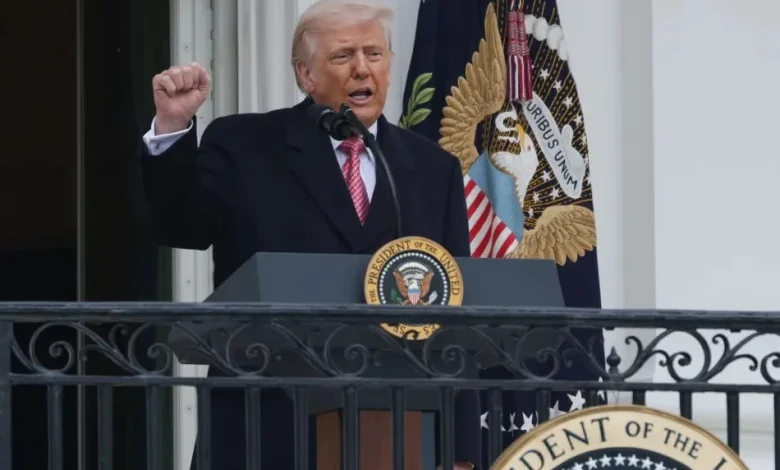
The global geopolitical landscape in 2026 is defined by a distinct departure from conventional diplomatic frameworks, moving decisively toward transactional statecraft and intense strategic posturing. International relations have been characterized by rapid realignments, where traditional allies and historic adversaries are constantly reassessing their positions in response to the latest developments stemming from Washington. The administration has emphasized a doctrine of robust military readiness combined with aggressive economic diplomacy. This approach aims to secure favorable terms in international trade while simultaneously deterring aggression from near-peer competitors and regional disruptors. The overarching strategy prioritizes national interests above all, often bypassing multilateral institutions in favor of direct, bilateral negotiations. This shift has forced European and Asian allies to adapt swiftly, resulting in a more fragmented but highly dynamic global order where power dynamics are continually tested and redefined. For analysts and policymakers relying on reliable global political reporting, tracking these nuanced shifts is essential for forecasting long-term international stability.
Transatlantic Dialogues and Crisis Management
Among the most critical elements of current foreign policy is the administration’s ongoing dialogue with key European allies. The interconnected nature of global energy markets has made coordination with the United Kingdom an absolute necessity. Recent events have underscored the fragility of the global energy supply chain, prompting high-level discussions aimed at mitigating the fallout from regional conflicts. For instance, the recent Keir Starmer and Donald Trump call regarding the Middle East oil crisis serves as a pivotal moment in transatlantic crisis management. During these intense negotiations, both leaders sought to align their strategic reserves policies and coordinate sanctions against state actors disrupting maritime oil routes. The dialogue highlighted a mutual recognition that securing energy infrastructure is paramount not only for economic stability but also for national security. Such high-stakes conversations reveal the intricate balancing act the administration must perform: maintaining a tough stance on international adversaries while ensuring that domestic consumers are insulated from devastating energy price shocks.
Middle East Tensions and the US-Iran Conflict
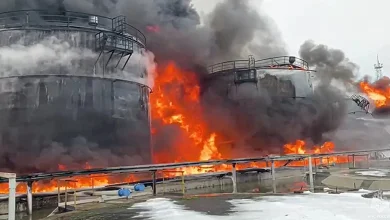
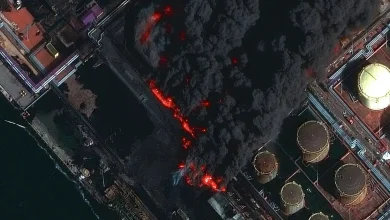
The focal point of international concern remains firmly fixed on the Middle East, where decades of simmering tensions have erupted into outright strategic confrontation. The administration’s approach to the region has been characterized by an uncompromising stance against Iranian regional ambitions and the proliferation of proxy militias threatening allied nations. The geopolitical theater is rife with complexities, as shifting alliances and advanced weaponry redefine the rules of engagement. Extensive coverage of the US-Iran war news and strategic escalations in 2026 illustrates a doctrine of maximum pressure coupled with rapid naval and aerial deployments. The conflict has escalated beyond asymmetrical warfare, transitioning into calculated strikes against critical infrastructure and military installations. The US administration has significantly bolstered its military footprint in the Persian Gulf and the broader Middle East, signaling an unwavering commitment to defending its strategic interests and ensuring the free flow of commerce through critical chokepoints like the Strait of Hormuz.
Naval Escalations and the Diego Garcia Threat
The military escalation has expanded significantly into the maritime domain, introducing unprecedented logistical and strategic challenges for the US Indo-Pacific Command and Central Command. As Iran seeks to project power beyond its immediate borders, US naval assets and vital supply hubs have come under increased scrutiny and threat. This reality was starkly highlighted when intelligence reports confirmed Iran targeting Diego Garcia in a strategic naval escalation. The remote Indian Ocean atoll of Diego Garcia serves as a linchpin for US military operations, housing strategic bombers, naval logistics, and advanced communication arrays. Any direct threat to this facility represents a significant escalation, prompting the administration to authorize heightened defensive postures, including the deployment of additional Aegis-equipped destroyers and advanced anti-ballistic missile systems. This specific maneuver underscores the global reach of the current Middle Eastern conflict and demonstrates the administration’s resolve to protect its extraterritorial military infrastructure at all costs.
Domestic Economic Policies and Market Reactions
Domestically, the administration’s focus remains squarely on economic revitalization, deregulation, and combating the lingering effects of global inflation. The economic strategy in 2026 revolves around creating an ultra-competitive environment for domestic manufacturing and technological innovation. Tax incentives aimed at reshoring critical industries are coupled with aggressive rollbacks of environmental and corporate regulations that the administration views as hindrances to economic growth. Financial markets have exhibited profound volatility as they digest these sweeping policy changes alongside the geopolitical uncertainties originating from the Middle East. Despite the turbulence, certain sectors, notably defense, domestic energy, and heavy manufacturing, have experienced substantial capital inflows. The administration continues to pressure the Federal Reserve to maintain an accommodative monetary policy, arguing that low interest rates are essential to fuel the next phase of the American industrial renaissance. Consequently, investors are carefully monitoring every policy pronouncement, knowing that a single executive order can drastically alter the trajectory of entire market sectors.
The Crypto Surge and Bitcoin Resilience
A notable divergence from previous administrative policies is the current embrace of digital assets and decentralized finance. Recognizing the growing influence of cryptocurrency in the global financial system, the administration has pivoted toward a highly favorable regulatory environment for digital currencies. This shift is designed to ensure that the United States remains the preeminent hub for blockchain innovation and financial technology. Analysts monitoring the Bitcoin price in 2026 through comprehensive market news note that these deregulatory frameworks have catalyzed massive institutional adoption. With the lifting of stringent SEC oversight on major crypto exchanges and the introduction of tax safe harbors for digital asset miners, Bitcoin and other leading cryptocurrencies have demonstrated remarkable resilience, often acting as a hedge against the fiat inflation exacerbated by global conflicts. This proactive stance on cryptocurrency not only appeals to a younger, tech-savvy demographic but also aligns with the administration’s broader agenda of financial deregulation and challenging traditional banking monopolies.
Political Strategy and the Midterm Elections Preview
As 2026 progresses, the political apparatus is increasingly geared toward the pivotal midterm elections. The administration is acutely aware that retaining legislative control is essential to cementing its ambitious policy agenda. The political strategy involves aggressively mobilizing the core voter base through a series of high-profile rallies and legislative pushes focused on border security, economic nationalism, and judicial appointments. The midterm elections serve as a critical referendum on the administration’s handling of the simultaneous domestic and international crises. Strategic messaging is heavily focused on portraying the administration as the sole guarantor of American prosperity and security in a chaotic world. By emphasizing the economic gains achieved through deregulation and the muscular foreign policy demonstrated in the Middle East, the political leadership aims to construct a formidable coalition of working-class voters, corporate leaders, and national security hawks. The outcome of these midterms will unequivocally dictate the legislative boundaries and executive leverage for the remainder of the presidential term.
Analyzing Trade and Tariffs in 2026
Trade policy remains a cornerstone of the administration’s economic nationalism. The year 2026 has witnessed a renewed and intensified application of tariffs, particularly targeting heavily subsidized foreign industries that threaten domestic producers. The administration has unapologetically utilized tariffs as both an economic shield and a diplomatic weapon, levying significant duties on steel, technology components, and automotive imports from strategic competitors. These trade barriers are designed to force multinational corporations to relocate their supply chains back to the United States or to allied nations within the Western Hemisphere. While critics argue that these tariffs impose hidden taxes on American consumers and risk triggering retaliatory trade wars, the administration maintains that short-term price adjustments are a necessary sacrifice for long-term industrial sovereignty. The intense negotiations with the European Union and Southeast Asian trading blocs reflect a zero-sum approach to global trade, where access to the lucrative American market is contingent upon strict adherence to new, highly advantageous trade paradigms.
Impact on the Global Supply Chain
The aggressive restructuring of international trade policies has profoundly impacted the global supply chain. The concept of nearshoring has rapidly transitioned from a corporate buzzword to an economic imperative. Major logistics hubs in Mexico and domestic manufacturing centers in the American Midwest are experiencing an unprecedented boom as companies scramble to mitigate the risks associated with trans-pacific shipping lanes and escalating tariffs. This supply chain realignment is fundamentally altering the economic geography of North America. While the transition is fraught with short-term bottlenecks and capital expenditure challenges, the administration points to the revitalization of the domestic industrial base as proof that their supply chain resilience strategy is yielding tangible dividends for the American workforce.
Key Takeaways and Future Projections
To fully grasp the magnitude of the policy shifts occurring in 2026, it is necessary to evaluate the core initiatives and their corresponding global impacts. The landscape is moving rapidly, and the interplay between domestic economics and international military strategy is more intertwined than ever before. Below is a comprehensive overview of the primary strategic areas defining the administration’s current agenda.
| Strategic Initiative | Primary Objective | Current Status (2026) | Global Market Impact |
|---|---|---|---|
| Middle East Force Projection | Deter Iranian escalation and secure maritime routes | Active Deployment (Diego Garcia & Persian Gulf) | High volatility in global oil markets |
| Transatlantic Energy Coordination | Mitigate supply shocks via UK/US alliances | Ongoing high-level bilateral negotiations | Stabilization of Western strategic reserves |
| Digital Asset Deregulation | Establish US as the global cryptocurrency hub | Legislative frameworks implemented | Surge in institutional Bitcoin adoption |
| Trade Tariff Expansion | Reshore manufacturing and penalize subsidized imports | Enacted against key Asian and EU sectors | Accelerated nearshoring to North America |